18 citations
,
August 2024 in “eLife” JAK inhibition may help manage autoimmune conditions in Down syndrome.
 February 2026 in “Frontiers in Immunology”
 Ivarmacitinib significantly improved hair regrowth in severe alopecia areata after tofacitinib was less effective.
 February 2025 in “International Journal of Cosmetic Science”
 A new amino acid derivative, ATS, improves hair texture and moisture, making it easier to straighten curly hair.
October 1984 in “Immunology Today”  June 2022 in “Frontiers in Immunology”
 Tofacitinib regrew hair in a man with total hair loss but raised cytokine levels, needing more research on possible side effects.
 April 2025 in “Frontiers in Immunology”
 Tofacitinib effectively regrows hair in alopecia areata but may need continuous use.
8 citations
,
June 1981 in “Clinica Chimica Acta”  1 citations
,
May 2022 in “Frontiers in Pharmacology”
1 citations
,
May 2022 in “Frontiers in Pharmacology” Astilbin can potentially calm overactive immune responses, like in Type 1 Diabetes, by suppressing certain cell activities and reducing inflammation.
 47 citations
,
December 2019 in “Frontiers in immunology”
47 citations
,
December 2019 in “Frontiers in immunology” A new mutation in the STING protein causes a range of symptoms and its severity may be affected by other genetic variations; treatment with a specific inhibitor showed improvement in one patient.
12 citations
,
January 2002 in “Environmental and Molecular Mutagenesis” Smoking reduces antioxidants and causes DNA damage in hair follicles.
 6 citations
,
May 1997 in “Journal of Dermatological Science”
6 citations
,
May 1997 in “Journal of Dermatological Science” Researchers found a gene in hamsters that responds to male hormones and may be indirectly controlled by them.
January 2025 in “International Journal of Pharmaceutics” The treatment showed significant hair regrowth in alopecia areata patients without side effects.
 27 citations
,
June 2005 in “The journal of investigative dermatology/Journal of investigative dermatology”
27 citations
,
June 2005 in “The journal of investigative dermatology/Journal of investigative dermatology” The study found that variations in hair protein genes are likely due to evolutionary deletions or duplications.
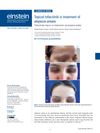 2 citations
,
January 2020 in “Einstein (São Paulo)”
2 citations
,
January 2020 in “Einstein (São Paulo)” Topical tofacitinib shows promise as a future treatment for alopecia areata.
March 2024 in “Preprints.org” Activated protein C helps protect mice from radiation damage.
 2 citations
,
November 2017 in “Biotechnology Letters”
2 citations
,
November 2017 in “Biotechnology Letters” Researchers found four natural compounds that can change DHT levels in prostate cancer cells.
July 2024 in “Journal of Investigative Dermatology” JAK inhibitors improve hair growth in alopecia areata, especially in patchy types.
March 2026 in “World Rabbit Science” DKK4 can be used to improve wool quality in Zhexi Angora rabbits.
 2 citations
,
December 2020 in “American Journal of Dermatological Research and Reviews”
2 citations
,
December 2020 in “American Journal of Dermatological Research and Reviews” The combination therapy was effective and well-tolerated, especially in young patients.
September 2019 in “The journal of investigative dermatology/Journal of investigative dermatology” A new mutation in the STING protein causes a disease with lupus-like symptoms and responds well to a specific inhibitor treatment.
 1 citations
,
April 2020 in “medRxiv (Cold Spring Harbor Laboratory)”
1 citations
,
April 2020 in “medRxiv (Cold Spring Harbor Laboratory)” The study found that Tourette Syndrome may be linked to certain immune system processes and synaptic signaling.
118 citations
,
December 2003 in “Mechanisms of Ageing and Development” Thymosin β4 helps heal wounds, grow hair, and improve blood vessel formation.
1 citations
,
April 2024 in “Metabolites” Activated protein C helps protect mice from long-term radiation damage.
 April 2018 in “Journal of Investigative Dermatology”
 Blocking α-toxin helps heal Staphylococcus aureus-infected wounds faster in both normal and diabetic mice, with different effects on their immune responses.
April 2026 in “Future Medicinal Chemistry” PROTACs have become a breakthrough in medicine by effectively targeting and degrading specific proteins to treat diseases.
 October 2025 in “Proceedings of the National Academy of Sciences”
 Phospholipids help plant proteins move by regulating receptor interactions.
 115 citations
,
March 2019 in “Nature Communications”
115 citations
,
March 2019 in “Nature Communications” Frontal fibrosing alopecia is linked to four genetic areas, especially the HLA-B*07:02 allele.
6 citations
,
July 1994 in “Journal of Dermatological Science” Introducing the rat OTC gene normalized hair growth in SPF-ASH mice.
 6 citations
,
November 2022 in “Journal of autoimmunity”
6 citations
,
November 2022 in “Journal of autoimmunity” JAK inhibitors like tofacitinib may effectively treat Alopecia Areata.
April 2020 in “The FASEB journal” Poncirin is a promising inhibitor of Janus Kinase 3, potentially better than tofacitinib.