114 citations
,
August 2002 in “Journal of Investigative Dermatology” Alopecia areata is caused by an immune response, and targeting immune cells might help treat it.
June 2020 in “Zenodo (CERN European Organization for Nuclear Research)” Controlled microflora in animals delays immune cell maturation and affects immunity.
 1 citations
,
November 2016 in “Congenital Anomalies”
1 citations
,
November 2016 in “Congenital Anomalies” Get head MRI for babies with achondroplasia early, use free immunoglobulin light chains to detect certain neurodevelopmental disorders, and video calls work for speech therapy in patients with facial anomalies.
3 citations
,
August 2024 in “Frontiers in Endocrinology” Thyroid issues can cause alopecia areata.
20 citations
,
January 2012 in “Indian Journal of Endocrinology and Metabolism” Most patients with acquired hypoparathyroidism after neck surgery had hair, nail, and skin issues.
January 2025 in “JDDG Journal der Deutschen Dermatologischen Gesellschaft” Pediatric alopecia areata needs better treatments and psychological support.
 24 citations
,
June 2018 in “Reviews in endocrine and metabolic disorders”
24 citations
,
June 2018 in “Reviews in endocrine and metabolic disorders” Thyroid diseases may contribute to autoimmune skin diseases, and more research is needed on their relationship.
April 2019 in “Journal of Investigative Dermatology” Simvastatin reduces inflammation and promotes hair regrowth in alopecia areata.
 December 2025 in “Russian Journal of Skin and Venereal Diseases”
 Thinner hair follicle structures are linked to non-scar alopecia.
 8 citations
,
August 2007 in “Histopathology”
8 citations
,
August 2007 in “Histopathology” Different growth patterns in thyroid tumors are influenced by where cell growth and death occur.
May 2005 in “Cancer Research” Melanoma cells lose their ability to form tumors when placed in a zebrafish embryo environment.
 10 citations
,
March 2022 in “Communications biology”
10 citations
,
March 2022 in “Communications biology” A new non-invasive method can analyze skin mRNA to understand skin diseases better.
7 citations
,
August 2024 in “Clinical and Experimental Dermatology” Upadacitinib is effective and safe for treating severe alopecia areata in teens.
 3 citations
,
July 2014 in “QJM”
3 citations
,
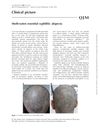
July 2014 in “QJM” A 35-year-old man had patchy hair loss that was actually due to syphilis, not alopecia areata.
 29 citations
,
January 2003 in “Dermatology”
29 citations
,
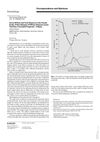
January 2003 in “Dermatology” The condition called 'acute diffuse and total alopecia of the female scalp' is actually a known condition named alopecia areata incognita.
 February 2024 in “The Open dermatology journal”
 Alopecia Areata affects people of all ages worldwide, is likely caused by genetic and environmental factors, and can lead to stress and depression, highlighting the need for treatments that address both physical and mental health.
 76 citations
,
June 2018 in “EMBO Reports”
76 citations
,
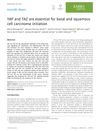
June 2018 in “EMBO Reports” YAP and TAZ proteins are necessary for the development of two types of skin cancer.
 August 2025 in “Psychiatry Neurology and Medical Psychology”
 Mental health issues affect adaptation in alopecia patients more than the cause of hair loss.
 18 citations
,
August 2012 in “Cutaneous and Ocular Toxicology”
18 citations
,
August 2012 in “Cutaneous and Ocular Toxicology” People with alopecia areata have higher insulin resistance.
 May 2026 in “Journal of the Egyptian Womenʼs Dermatologic Society”
 Impaired autophagy may contribute to alopecia areata.
3 citations
,
January 2014 in “Indian dermatology online journal” A newborn girl has a rare skin condition with two ulcers on her buttock that are healing on their own.
 February 2022 in “International journal of reproduction, contraception, obstetrics and gynecology”
 Acanthosis nigricans in teenage girls with PCOS is a sign of obesity, not insulin resistance or glucose intolerance.
2 citations
,
July 2013 in “PubMed” The pubic hair loss was likely due to anorexia nervosa.
14 citations
,
January 2024 in “Skin Research and Technology” The study suggested certain immune cells might cause alopecia areata, but it was retracted.
5 citations
,
November 2021 in “World Family Medicine Journal /Middle East Journal of Family Medicine” Test anxiety negatively affects academic performance, especially in female students.
November 2025 in “Journal of Investigative Dermatology” Dithranol reduces inflammation in alopecia areata by lowering certain immune responses.
January 2024 in “Indian Journal of Pharmacy Practice” Good medication adherence improves quality of life in subclinical thyroid disorder patients.
 October 2014 in “Aktuelle Dermatologie”
 A 19-year-old with MRKHS developed complete hair loss, and treatment options were discussed.
17 citations
,
April 2009 in “Andrologia” A boy's early puberty caused by a testicular tumor returned to normal after surgery.
April 2019 in “Journal of the Endocrine Society” A 12-year-old boy with PAIS successfully developed male characteristics using high-dose testosterone and anastrozole.