September 2025 in “Frontiers in Immunology” Atopic dermatitis and alopecia areata share immune and genetic factors, and targeted therapies may help both.
 May 2004 in “Pediatric Dermatology”
 Atopic dermatitis may have genetic causes and can be treated with pharmacologic methods, glycerin creams, and controlling Staphylococcus aureus colonization.
 136 citations
,
May 2016 in “Phytotherapy Research”
136 citations
,
May 2016 in “Phytotherapy Research” Turmeric may have benefits for skin health, but more research is needed to confirm its effectiveness.
 April 2026 in “Journal of Inflammation Research”
 Alopecia areata and atopic dermatitis share immune system issues, and treatments like JAK inhibitors can help both.
 9 citations
,
August 2017 in “Photochemistry and Photobiology”
9 citations
,
August 2017 in “Photochemistry and Photobiology” Red light at 627 nm can safely trigger IL-4 release in skin cells, potentially helping treat inflammatory skin conditions.
 41 citations
,
January 2012 in “Journal of Korean Medical Science”
41 citations
,
January 2012 in “Journal of Korean Medical Science” Over 60% of Korean military personnel had skin diseases, commonly acne and athlete's foot, linked to service length and stress.
19 citations
,
January 2019 in “JAAD case reports” A medication for skin rash also unexpectedly treated hair loss in a patient.
16 citations
,
June 2018 in “JAAD case reports” A JAK inhibitor improved both severe hair loss and chronic skin disease in one patient.
 14 citations
,
January 2020 in “Mediterranean Journal of Rheumatology”
14 citations
,
January 2020 in “Mediterranean Journal of Rheumatology” New JAK inhibitor drugs show promise for treating skin diseases but need more research on safety and effectiveness.
 10 citations
,
January 2010 in “Acta dermato-venereologica”
10 citations
,
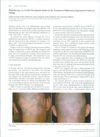
January 2010 in “Acta dermato-venereologica” Light therapy can effectively treat vitiligo and hair loss caused by a specific medication.
 9 citations
,
June 2017 in “Journal of Dermatology and Dermatologic Surgery”
9 citations
,
June 2017 in “Journal of Dermatology and Dermatologic Surgery” The most common skin diseases in Hail, Saudi Arabia, are eczema and acne, with more women affected than men.
 9 citations
,
June 2013 in “Australasian Journal of Dermatology”
9 citations
,
June 2013 in “Australasian Journal of Dermatology” Infliximab improved skin and bowel symptoms in Crohn's disease but caused side effects and the disease returned after stopping treatment.
8 citations
,
October 2021 in “Stem Cell Research & Therapy” Mesenchymal stem cells may effectively treat and prevent allergic skin conditions.
5 citations
,
August 2024 in “Frontiers in Immunology” Upadacitinib effectively treats psoriasiform eczema and some related conditions.
 2 citations
,
July 2025 in “Scientific Reports”
2 citations
,
July 2025 in “Scientific Reports” Dermatological diseases affect women's work performance more than men's.
2 citations
,
February 2023 in “Actas Dermo-Sifiliográficas” Baricitinib effectively improved both atopic dermatitis and alopecia areata symptoms in a patient.
1 citations
,
October 2025 in “Journal of Allergy and Clinical Immunology” A JAK1 variant causes hair loss, skin issues, and thyroid disease, but treatment with a specific inhibitor can help.
 1 citations
,
September 2022 in “Nepal journal of dermatology, venereology & leprology”
1 citations
,
September 2022 in “Nepal journal of dermatology, venereology & leprology” Apremilast shows promise for several skin conditions but needs more research.
November 2025 in “Biomedicines” JAK1 inhibitors can help reduce itchiness in atopic dermatitis.
 October 2025 in “Indian Journal of Dermatology Venereology and Leprology”
 Augmented virtual reality can help manage chronic skin conditions.
April 2025 in “Digital Commons - East Tennessee State University (East Tennessee State University)” Cromolyn sodium oleate gel is more effective and safer for treating atopic dermatitis than dexamethasone.
 January 2025 in “Frontiers in Pediatrics”
 Baricitinib significantly improved hair regrowth and skin condition in a 14-year-old with alopecia areata and atopic dermatitis.
 August 2024 in “New Zealand Medical Student Journal”
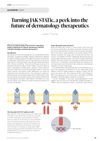
 JAK inhibitors show promise for treating skin diseases effectively and safely.
 June 2024 in “Frontiers in immunology”
 Sequential therapy with dupilumab and baricitinib improved hair regrowth and atopic dermatitis in a child without adverse reactions.
 December 2023 in “Asian journal of medical sciences”
 Psoriasis is the most common cause of erythroderma, and proper medical follow-up is crucial.
 August 2023 in “Journal of Knowledge Learning and Science Technology ISSN 2959-6386 (online)”
 New technologies help better understand and treat inflammatory skin diseases.
Lifestyle changes can improve skin health and reduce disease symptoms.
 May 2017 in “Journal of The American Academy of Dermatology”
 An intact skin barrier is crucial to prevent infection in cases of tether-induced tenosynovitis.
 January 1982 in “Journal of The American Academy of Dermatology”
 Experts discussed treatments for skin conditions in children, emphasizing hydration, cautious medication use, and early intervention for infections.
 October 2020 in “Veterinary Dermatology”
 New treatments and diagnostic methods for various animal skin conditions showed promising results.