1 citations
,
April 2025 in “Journal of Cosmetic Dermatology” The serum improves facial skin quality safely and effectively.
17 citations
,
January 1993 in “Dermatology” Arsenic poisoning can be caused by both criminal acts and certain medical treatments.
 31 citations
,
May 2021 in “Journal of endocrinological investigation”
31 citations
,
May 2021 in “Journal of endocrinological investigation” APS-1 in Italy shows diverse AIRE mutations and various autoimmune issues.
 5 citations
,
April 2015 in “HSOA journal of clinical dermatology & therapy”
5 citations
,
April 2015 in “HSOA journal of clinical dermatology & therapy” Triamcinolone acetonide mesotherapy may be effective for treating patchy hair loss in alopecia areata.
8 citations
,
January 2013 in “European Journal of Dermatology” Alitretinoin may help treat alopecia areata.

Androgenetic alopecia (AGA) is a common, hereditary hair loss condition that can be slowed but not permanently reversed with available therapies.
January 2026 in “Experimental Dermatology” Skin-resident memory T cells may contribute to chronic alopecia areata and baricitinib could be a potential treatment.
22 citations
,
November 2002 in “Clinical journal of oncology nursing” Arsenic trioxide effectively treats relapsed acute promyelocytic leukemia with manageable side effects.
 13 citations
,
June 2015 in “International Journal of Dermatology”
13 citations
,
June 2015 in “International Journal of Dermatology” Non-obese women with hair loss have higher heart disease risk.
 April 2024 in “Journal of asthma and allergy”
 Abrocitinib effectively treated severe atopic dermatitis and mild alopecia areata in a 12-year-old boy after dupilumab failed.
1 citations
,
December 2024 in “The Journal of Dermatology” Traumatic stress and alexithymia may contribute to alopecia areata.
1 citations
,
June 2016 in “Medicina” Monilethrix is a genetic disorder causing brittle hair, diagnosed using tricoscopy.
4 citations
,
November 2015 in “The journal of investigative dermatology. Symposium proceedings/The Journal of investigative dermatology symposium proceedings” Eosinophilic esophagitis may trigger alopecia areata in some patients.
 June 2026 in “Frontiers in Immunology”
 Upadacitinib effectively treated severe atopic dermatitis, vitiligo, and alopecia areata in one patient.
 March 2014 in “Journal of The American Academy of Dermatology”
 Azathioprine may be an effective treatment for severe hair loss.
3 citations
,
January 2021 in “Medicinski arhiv” Trichoscopy, a hair loss evaluation technique, found that people with Androgenetic Alopecia have more thin hairs, yellow dots, and perifollicular discoloration than healthy individuals.
July 2024 in “International Journal of Medical Science and Clinical Research Studies” Alopecia Areata Incognita causes sudden hair loss in young females but usually has a better outcome than other types.
 27 citations
,
March 2018 in “Allergy and asthma proceedings”
27 citations
,
March 2018 in “Allergy and asthma proceedings” People with alopecia areata often have higher rates of allergies and autoimmune diseases.
January 2026 in “Clinical and Experimental Dermatology” Ruxolitinib helped a patient with alopecia areata regrow hair.
 6 citations
,
June 2008 in “Journal of the European Academy of Dermatology and Venereology”
6 citations
,
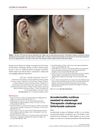
June 2008 in “Journal of the European Academy of Dermatology and Venereology” A man with Acrodermatitis continua did not get better with etanercept treatment, and his condition worsened, suggesting treatment effectiveness may vary by genetics and race.
6 citations
,
January 2000 in “The Journal of Trace Elements in Experimental Medicine” Zinc supplements effectively treat acrodermatitis enteropathica.
12 citations
,
June 2011 in “Journal of Dermatological Case Reports” Shaving, erythromycin cream, and clotrimazole powder effectively treated the bad odor and rough hair.
 1 citations
,
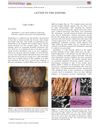
February 2018 in “Australasian journal of dermatology”
1 citations
,
February 2018 in “Australasian journal of dermatology” Advanced imaging techniques are crucial for accurately diagnosing Monilethrix, a rare hair disorder.
2 citations
,
October 1951 in “Journal of gerontology” Patients with hair pigment loss and hair loss may have altered pantothenic acid metabolism.
1 citations
,
July 2015 in “Microscopy Research and Technique” Friedreich's ataxia causes thin, weak hair with surface damage and cavities.
27 citations
,
July 1993 in “The journal of investigative dermatology/Journal of investigative dermatology” January 2000 in “The Journal of Trace Elements in Experimental Medicine” Zinc supplementation effectively treats acrodermatitis enteropathica symptoms.
 August 2025 in “International Journal of Research in Dermatology”
 Increasing zinc intake improved skin and hair symptoms in a rare genetic disorder.
 April 2025 in “Dermatology Practical & Conceptual”
 UV-enhanced trichoscopy helps diagnose hair shaft disorders like pili annulati.
1 citations
,
May 2019 in “DOAJ (DOAJ: Directory of Open Access Journals)” Acrodermatitis enteropathica can be linked to dental issues, so thorough dental exams are important.