ILC1-like cells may contribute to hair loss in alopecia areata.
105 citations
,
December 1998 in “Archives of Dermatological Research” Dermal papilla cells mainly drive blood vessel growth in hair follicles.
142 citations
,
February 2016 in “Science” Foxc1 helps keep hair follicle stem cells inactive, preventing hair loss.
 April 2018 in “Journal of Investigative Dermatology”
 Fetuin A may increase collagen production and promote scarring.
26 citations
,
May 2020 in “JCI Insight” Alopecia areata involves specific immune cells, offering potential treatment targets.
July 2025 in “Journal of Investigative Dermatology” Laser treatment boosts hair growth by activating a key growth factor.
 70 citations
,
April 2016 in “Experimental Dermatology”
70 citations
,
April 2016 in “Experimental Dermatology” A patient with alopecia areata regrew hair after taking tofacitinib and showed changes in certain blood and skin markers.
294 citations
,
February 2011 in “Cell” Nephronectin helps attach muscle cells to hair follicles.

Skin tumor cells in patients with tuberous sclerosis have higher levels of a protein called cathepsin B.
 October 2015 in “Regenerative Medicine”
 Two growth factors, PDGF and FGF2, can potentially be used together to grow enough cells for a hair loss treatment, but their exact function on human cells needs further confirmation.
July 2026 in “Frontiers in Immunology” New hair follicles can form in wounds through immune and skin cell interactions, offering potential treatments for hair loss and scarless healing.
 April 2023 in “The journal of investigative dermatology/Journal of investigative dermatology”
 Folliculotropic mycosis fungoides has unique molecular features and cell interactions that could guide targeted therapy.
February 2026 in “Journal of Allergy and Clinical Immunology” Alopecia areata involves immune system issues and specific cell types that disrupt hair growth, leading to hair loss.
1 citations
,
January 2021 in “SSRN Electronic Journal” Transplanted hair follicles can improve and remodel mature scars.
March 2026 in “Chemical Engineering Journal” The hydrogel helps heal diabetic wounds by combining antibacterial, antioxidant, and immune-boosting effects.
January 2006 in “Linchuang pifuke zazhi” Stem cell factor and certain proteins help melanocytes from hair follicles move and attach better, aiding vitiligo repigmentation.
CD28 is a promising target for treating alopecia areata with belatacept.
CD28 is a promising target for treating alopecia areata with belatacept.
 13 citations
,
May 2005 in “Seminars in Plastic Surgery”
13 citations
,
May 2005 in “Seminars in Plastic Surgery” Follicular Cell Implantation might become a new treatment for hair loss and could lead to advances in organ regeneration.
109 citations
,
April 1997 in “Archives of Dermatological Research” Mast cell and nerve fiber interactions in mouse skin change with the hair cycle.
Skin cells can naturally limit the growth of cancerous changes by balancing cell renewal and differentiation.
69 citations
,
October 2014 in “Stem Cells” PDGF-D boosts stem cell growth and movement, enhancing hair regeneration.
35 citations
,
August 2009 in “Journal of the American Academy of Dermatology” Melanocytes might be targeted by the immune system in people with alopecia areata, but more research is needed.
 11 citations
,
June 2012 in “Journal of Dermatological Science”
11 citations
,
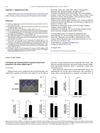
June 2012 in “Journal of Dermatological Science” Scientists identified a group of human skin cells with high growth and regeneration potential.
January 2026 in “Chemical Engineering Journal” Engineered nanovesicles from hair follicle stem cells enable scarless healing of infected wounds.

Fibronectin nanogel microneedles improve skin health and wound healing.
8 citations
,
August 1987 in “The Journal of Dermatology” BKN-1 antibody targets specific keratin in basal cell epithelioma and normal skin basal cells.
 June 2026 in “Scientific Reports”
 Nestin-expressing hair follicle cells may be useful for nerve repair and regeneration.
 April 2018 in “Journal of Investigative Dermatology”
 DPP4 is important for scarring and skin regeneration, and managing its activity could improve skin healing treatments.
 June 2022 in “Research Square (Research Square)”
 Hair follicle stem cells can help heal intestinal injuries in rats.