 6 citations
,
May 2004 in “Dermatologic Surgery”
6 citations
,
May 2004 in “Dermatologic Surgery” The article concludes that using the single-scar technique for hair transplants can result in a more attractive scar and that concerns about the technique can be managed with proper methods.
 2 citations
,
September 1996 in “The American Journal of Cosmetic Surgery”
2 citations
,
September 1996 in “The American Journal of Cosmetic Surgery” The authors suggest using a standard system to name hair grafts to improve communication in hair restoration.
Micrografts and minigrafts effectively treat male hair loss with natural-looking results.
 2 citations
,
July 2020 in “International journal of regenerative medicine”
2 citations
,
July 2020 in “International journal of regenerative medicine” Autologous fat transfer improves hair growth in scarring alopecia and allows for denser hair transplants.
 15 citations
,
January 2013 in “Journal of Cutaneous and Aesthetic Surgery”
15 citations
,
January 2013 in “Journal of Cutaneous and Aesthetic Surgery” The modified Direct Hair Transplantation method is effective for treating baldness with better graft survival and less damage than standard techniques.
September 2003 in “International Society of Hair Restoration Surgery” Transplanted hair keeps growing like it did in the donor area.
 June 2017 in “International Journal of Periodontics & Restorative Dentistry”
 Using skin grafts from behind the ear for oral surgery in two patients with jaw injuries led to successful healing and good results.
7 citations
,
August 2023 in “Dermatologic Surgery” A new device improves hair transplant success for people of African descent by considering skin thickness and firmness.
 5 citations
,
September 2003 in “Archives of Facial Plastic Surgery”
5 citations
,
September 2003 in “Archives of Facial Plastic Surgery” Follicular-unit grafting is an effective hair transplant method that looks natural and has a high success rate.
 7 citations
,
June 2004 in “Dermatologic Surgery”
7 citations
,
June 2004 in “Dermatologic Surgery” A new hair transplant method combines individual and group follicles for better results and efficiency.
 5 citations
,
September 2012 in “Dermatology Online Journal”
5 citations
,
September 2012 in “Dermatology Online Journal” Follicular Unit Extraction (FUE) hair transplant is less invasive, leaves no scars, and has quicker recovery times, but it's more time-consuming and challenging. Automation helps speed up the process and improve graft survival, reducing the need for traditional strip surgery.
 July 2023 in “Clinical, Cosmetic and Investigational Dermatology”
 The sharp implanter method for hair graft placement is simpler and faster, allowing for dense packing of grafts with natural results.
 4 citations
,
May 2005 in “Seminars in Plastic Surgery”
4 citations
,
May 2005 in “Seminars in Plastic Surgery” Carlos Oscar Uebel developed a hair transplant method that looks natural, has low risk, and shows full growth in 6-12 months.
 1 citations
,
February 2019 in “Journal of The American Academy of Dermatology”
1 citations
,
February 2019 in “Journal of The American Academy of Dermatology” Using three-hair grafts from the back of the head for eyebrow transplantation offers a natural look and reduces scarring.
 January 2017 in “Journal of Plastic Reconstructive and Aesthetic Surgery”
 The authors suggest using scalp hair follicles for beard reconstruction to improve results and reduce surgery time and patient discomfort.
11 citations
,
March 2023 in “Stem Cell Research & Therapy” Epidermal stem cells improve skin graft survival by promoting early blood vessel formation.
 3 citations
,
April 2016 in “Dermatologic Surgery”
3 citations
,
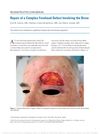
April 2016 in “Dermatologic Surgery” A man's forehead and eyebrow were successfully reconstructed with a skin and hair graft that matched his other eyebrow, without needing frequent trimming.
1 citations
,
June 2018 in “Open Access Macedonian Journal of Medical Sciences” Recycling hair from past transplants can improve hair density and patient satisfaction.
 72 citations
,
September 1997 in “Dermatologic Surgery”
72 citations
,
September 1997 in “Dermatologic Surgery” Careful planning and patient counseling can lead to excellent hair transplant results, often in one or two sessions.
 March 2021 in “Journal of Maxillofacial and Oral Surgery”
 Beard hair can be used for hair transplants in severe alopecia cases, with minimal complications and good results.
 May 2005 in “Seminars in Plastic Surgery”
 The document concludes that using small hair grafts has improved facial and scalp hair restoration.
January 2007 in “Journal of Clinical and Experimental Medicine” The surgery effectively treats baldness with quick recovery and excellent results.
 June 2002 in “Seminars in Cutaneous Medicine and Surgery”
 Hair transplantation has improved to more natural-looking results and is complemented by effective non-surgical treatments, with ongoing research into hair follicle cloning.
6 citations
,
July 2023 in “Diabetology” Autologous micrografts significantly improve wound healing in diabetic conditions by speeding up tissue regeneration and reducing inflammation.
2 citations
,
March 2010 in “Plastic & Reconstructive Surgery” A simple, safe, and cost-effective method using adhesive drapes effectively removes hair from scalp grafts, reducing infection risk.
June 2025 in “British Journal of Dermatology” Hair transplantation has evolved significantly, becoming more effective and popular despite challenges.
 6 citations
,
July 2011 in “Journal of Plastic Reconstructive and Aesthetic Surgery”
6 citations
,
July 2011 in “Journal of Plastic Reconstructive and Aesthetic Surgery” Eyebrow reconstruction using hair follicle grafts was successful in a man with a benign hereditary disorder affecting his eyebrows.
2 citations
,
January 1974 in “Archives of Dermatological Research” Unknown factors significantly affect hair growth in skin grafts.
 2 citations
,
June 2000 in “Journal of Oral and Maxillofacial Surgery”
2 citations
,
June 2000 in “Journal of Oral and Maxillofacial Surgery” Hair transplantation techniques have improved over time, leading to natural-looking results and high graft survival rates, making it a popular treatment for hair loss.
 November 2005 in “Hair transplant forum international”
 It's not possible to get unlimited hair for transplants from the same donor area.