 15 citations
,
January 2020 in “Experimental Dermatology”
15 citations
,
January 2020 in “Experimental Dermatology” The document concludes that understanding and treatments for alopecia areata have significantly advanced, now recognizing it as an autoimmune disorder.
 15 citations
,
November 2015 in “Journal of Dermatology and Dermatologic Surgery”
15 citations
,
November 2015 in “Journal of Dermatology and Dermatologic Surgery” Mixing platelet-rich plasma with triamcinolone acetonide can potentially improve hair regrowth in alopecia areata patients.
14 citations
,
December 2017 in “Journal of Investigative Dermatology Symposium Proceedings” New therapies for alopecia areata show potential but need more research.
14 citations
,
March 2017 in “Genes and immunity” Certain microRNAs may help treat alopecia areata by targeting immune pathways.
14 citations
,
June 2011 in “Australasian Journal of Dermatology” An 8-year-old boy had both alopecia areata and vitiligo on the same spot on his scalp, which is very rare.
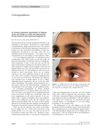 14 citations
,
November 2009 in “Clinical and experimental dermatology”
14 citations
,
November 2009 in “Clinical and experimental dermatology” Topical prostaglandin E2 can help treat both alopecia areata and vitiligo.
12 citations
,
October 2024 in “Expert Opinion on Drug Discovery” New, effective treatments for alopecia areata require innovative approaches targeting the immune system.
12 citations
,
July 2023 in “Journal of the European Academy of Dermatology and Venereology” Upadacitinib improved Crohn's disease, atopic dermatitis, and alopecia areata in one patient.
12 citations
,
August 2013 in “Journal of Dermatological Science” The MAGE3 hypothesis for alopecia areata did not lead to a significant breakthrough.
 11 citations
,
December 2018 in “Journal of the European Academy of Dermatology and Venereology”
11 citations
,
December 2018 in “Journal of the European Academy of Dermatology and Venereology” Stopping JAK inhibitor treatment for hair loss can lead to worse hair loss than before the treatment.
10 citations
,
January 2023 in “SAGE Open Medical Case Reports” COVID-19 infection and vaccination may trigger hair loss and rapid hair whitening.
10 citations
,
January 2023 in “Skin Appendage Disorders” Alopecia areata is an autoimmune hair loss condition linked to genetic factors.
10 citations
,
August 2019 in “European Journal of Dermatology” The document did not conclude on apremilast's effectiveness for severe alopecia areata.
 9 citations
,
May 2019 in “Journal of dermatological treatment”
9 citations
,
May 2019 in “Journal of dermatological treatment” Apremilast helps regrow hair in hard-to-treat alopecia areata.
9 citations
,
July 2016 in “JAAD case reports” Denosumab treatment for osteoporosis can cause hair loss.
 8 citations
,
May 2025 in “Dermatology and Therapy”
8 citations
,
May 2025 in “Dermatology and Therapy” Local corticosteroids can help with alopecia areata, but hair loss often returns after stopping treatment.
8 citations
,
August 2016 in “Journal of the European Academy of Dermatology and Venereology” Oral tacrolimus helped a rheumatoid arthritis patient regrow hair lost due to alopecia areata.
8 citations
,
October 2014 in “The Journal of Dermatology” Patients with alopecia areata should be checked for muscle spasms, diarrhea, and ANA to avoid missing Satoyoshi syndrome.
7 citations
,
July 2024 in “Frontiers in Immunology” COVID-19 can increase the risk of hair loss, especially in people over 40.
7 citations
,
July 2023 in “Immunotherapy” Ritlecitinib works well and is safe for treating alopecia areata.
 7 citations
,
February 2022 in “JAAD International”
7 citations
,
February 2022 in “JAAD International” COVID-19 may be linked to hair loss or worsening of hair loss in some people.
7 citations
,
January 2015 in “PubMed” Osteopontin may play a role in alopecia areata, but its levels don't predict treatment success.
 7 citations
,
January 2012 in “International Journal of Trichology”
7 citations
,
January 2012 in “International Journal of Trichology” Two siblings both had a rare case of alopecia areata at the same time.
 7 citations
,
April 1987 in “International Journal of Dermatology”
7 citations
,
April 1987 in “International Journal of Dermatology” Stopping imipramine reduced the woman's hair loss.
6 citations
,
March 2024 in “Therapeutic Delivery” Nanoparticle drug delivery could improve alopecia areata treatment.
6 citations
,
September 2022 in “Vaccines” Some people developed alopecia areata after COVID-19 vaccination, but it's not caused by the vaccine and most improved with treatment.
6 citations
,
March 2005 in “Clinical and Experimental Dermatology” Autoimmunity can cause both alopecia areata and idiopathic primary hypophysitis.
6 citations
,
January 1999 in “Dermatology” Alopecia areata is linked to autoimmune antibodies.
5 citations
,
March 2025 in “Pediatric Dermatology” Alopecia areata in children is caused by the immune system attacking hair follicles due to genetic factors.
5 citations
,
June 2024 in “Experimental Dermatology” High beta-hydroxybutyrate levels may worsen hair loss in alopecia areata.