 November 2025 in “International Journal of Recent Innovations in Medicine and Clinical Research”
 Understanding different types of hair loss helps in accurate diagnosis and treatment.
September 2025 in “JAAD reviews.” Alopecia areata may slightly increase the risk of some pregnancy complications.
 April 2021 in “Indian pediatrics case reports”
 A child's hair loss after Kawasaki disease may help understand the disease's autoimmune causes.
The paper concludes that the patchiness of alopecia areata is likely due to when the immune attack happens in the hair growth cycle.
 December 2019 in “Pediatria i Medycyna Rodzinna”
 Alopecia areata is a hair loss condition that may be linked to stress and genetics, often requires psychological support, and has no set treatment.
 March 2017 in “The American Journal of Cosmetic Surgery”
 Transplanted hair follicles can resist hair loss from an autoimmune condition better than natural hair.
 191 citations
,
May 2018 in “British journal of dermatology/British journal of dermatology, Supplement”
191 citations
,
May 2018 in “British journal of dermatology/British journal of dermatology, Supplement” Alopecia areata is likely an autoimmune disease with unclear triggers, involving various immune cells and molecules, and currently has no cure.
 102 citations
,
December 2017 in “The journal of investigative dermatology. Symposium proceedings/The Journal of investigative dermatology symposium proceedings”
102 citations
,
December 2017 in “The journal of investigative dermatology. Symposium proceedings/The Journal of investigative dermatology symposium proceedings” Restoring hair bulb immune privilege is crucial for managing alopecia areata.
 24 citations
,
January 2008 in “KARGER eBooks”
24 citations
,
January 2008 in “KARGER eBooks” The document concludes that ongoing research using animal models is crucial for better understanding and treating Alopecia Areata.
 3 citations
,
June 2020 in “Cureus”
3 citations
,
June 2020 in “Cureus” A woman's hair loss led to discovering she had lupus.
 2 citations
,
October 2025 in “Discover Immunity.”
2 citations
,
October 2025 in “Discover Immunity.” Alopecia Areata is an autoimmune disease causing hair loss, with no cure yet, but research may lead to new treatments.
 January 2026 in “Dermatology Online Journal”
 COVID-19 vaccination may be linked to alopecia areata, especially in young adults.
December 2025 in “International Journal of Molecular Sciences” Exosome-based therapies show promise for treating alopecia areata but need more research.
October 2024 in “Frontiers in Immunology” Pertussis toxin may contribute to hair loss in alopecia areata.
 September 2023 in “Medical and Clinical Case Reports”
 People with Alopecia Areata often have thyroid problems like Hashimoto thyroiditis and hypothyroidism.
 January 2011 in “International Journal of Trichology”
 The document concludes that doctors should recognize congenital triangular alopecia to avoid unnecessary treatments, as it does not respond to steroids like alopecia areata does.
 23 citations
,
November 2020 in “Central-European Journal of Immunology/Central European Journal of Immunology”
23 citations
,
November 2020 in “Central-European Journal of Immunology/Central European Journal of Immunology” Alopecia areata, a type of hair loss, is likely an autoimmune disease with a genetic link, but its exact cause is still unknown.
 10 citations
,
March 2014 in “Scandinavian journal of clinical and laboratory investigation”
10 citations
,
March 2014 in “Scandinavian journal of clinical and laboratory investigation” Malondialdehyde-modified DNA may trigger an immune response in alopecia areata patients.
 2 citations
,
September 2020 in “Journal of Education Health and Sport”
2 citations
,
September 2020 in “Journal of Education Health and Sport” Higher IL-15 levels are linked to more severe hair loss in alopecia areata.
 January 2026 in “International Research Journal of Modernization in Engineering Technology and Science”
 Alopecia areata causes patchy hair loss and is often treated with corticosteroids.
 January 2025 in “International Journal of Homoeopathic Sciences”
 Homeopathic treatment may help manage alopecia areata effectively.
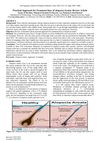 July 2023 in “The Egyptian Journal of Hospital Medicine ”
 The conclusion is that emotional support and a variety of treatments are important for alopecia areata, but more research is needed.
 421 citations
,
April 2012 in “The New England Journal of Medicine”
421 citations
,
April 2012 in “The New England Journal of Medicine” Alopecia Areata is an autoimmune condition causing hair loss with no cure and treatments that often don't work well.
 391 citations
,
January 2010 in “Journal of The American Academy of Dermatology”
391 citations
,
January 2010 in “Journal of The American Academy of Dermatology” Half of people with Alopecia Areata may see hair regrowth within a year without treatment, but recovery is unpredictable.
 144 citations
,
July 2015 in “Clinical, Cosmetic and Investigational Dermatology”
144 citations
,
July 2015 in “Clinical, Cosmetic and Investigational Dermatology” Alopecia areata is a common autoimmune disease affecting about 2% of people, causing significant disability and often associated with mental health issues and other autoimmune conditions.
 122 citations
,
November 1984 in “Journal of the American Academy of Dermatology”
122 citations
,
November 1984 in “Journal of the American Academy of Dermatology” No single treatment is consistently effective for alopecia areata, and more research is needed.
 99 citations
,
July 2017 in “Clinical Reviews in Allergy & Immunology”
99 citations
,
July 2017 in “Clinical Reviews in Allergy & Immunology” New treatments for Alopecia Areata show promise but need to be more effective and affordable.
77 citations
,
June 2002 in “Journal of Investigative Dermatology” CD44 variant changes start alopecia areata, but don't maintain it.
55 citations
,
October 2019 in “The journal of allergy and clinical immunology/Journal of allergy and clinical immunology/The journal of allergy and clinical immunology” The review suggests that other immune cells besides CD8+ T cells may contribute to alopecia areata and that targeting regulatory cell defects could improve treatment.
45 citations
,
May 2024 in “International Journal of Molecular Sciences” Alopecia areata is caused by immune attacks on hair follicles, affecting hair growth and quality of life.