 March 2026 in “Editora Pasteur eBooks”
 Hair health is affected by various conditions and requires personalized treatment.
 January 2023 in “Discovery immunology”
 T cells and bacteria in the gut and skin help maintain health and protect against disease.
 January 2016 in “Journal of The Korean Medical Association”
 The document says how to diagnose and treat hair loss from alopecia areata, but there's no cure and treatments vary.
Early diagnosis and treatment are crucial for skin emergencies and drug reactions.
 February 2026 in “Journal of Drugs in Dermatology”
 Janus kinase inhibitors are effective and safe for treating alopecia areata.
 November 2025 in “The Bioscan.”
 Pix Liquida may help treat alopecia areata.
 October 2024 in “Reumatizam”
 New treatments and understanding of skin lupus are emerging in 2024.
 July 2023 in “Journal of Clinical Medicine”
 The document concludes that understanding hair follicle histology and the hair cycle is crucial for diagnosing alopecia.
 July 2023 in “Journal of the European Academy of Dermatology and Venereology”
 Hair loss can indicate various health issues, including serious diseases, hormonal imbalances, and can significantly affect personal life and mental health.
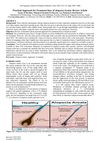 July 2023 in “The Egyptian Journal of Hospital Medicine ”
 The conclusion is that emotional support and a variety of treatments are important for alopecia areata, but more research is needed.
July 2023 in “Indian Journal of Endocrinology and Metabolism” An 11-year-old girl's hair regrew after treating her thyroid condition with carbimazole.
 December 2022 in “Revista Medicina Cutánea Ibero-Latino-Americana”
 JAK inhibitors help treat alopecia areata but have high recurrence after stopping.
 August 2022 in “Gene Reports”
 New hair loss treatments could be improved by using combined biological markers.
 August 2021 in “Annals of Agricultural and Environmental Medicine”
 The article concludes that understanding Frontal Fibrosing Alopecia (FFA) is crucial for effective treatment, which includes medication like 5α-reductase inhibitors and hydroxychloroquine.
Different hair and nail conditions can indicate health issues and have specific treatments; accurate diagnosis is crucial before treatment.
June 2013 in “Annals of the Rheumatic Diseases” Specialist nurses play a crucial role in managing lupus and empowering patients.
December 2010 in “Elsevier eBooks” Systemic lupus erythematosus is an autoimmune disease causing diverse symptoms and major organ involvement.
220 citations
,
June 2013 in “The Journal of Pathology” Lichen planopilaris may be an autoimmune disease causing hair loss due to immune system issues in hair follicles.
105 citations
,
March 2014 in “British journal of dermatology/British journal of dermatology, Supplement” Alopecia areata patients often have low vitamin D levels, suggesting they might benefit from vitamin D supplements.
 53 citations
,
January 2014 in “Journal of Cutaneous and Aesthetic Surgery”
53 citations
,
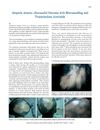
January 2014 in “Journal of Cutaneous and Aesthetic Surgery” Microneedling combined with triamcinolone can safely stimulate faster hair regrowth in people with Alopecia Areata.
52 citations
,
December 2014 in “Journal of Dermatological Science” Apremilast may help treat hair loss in alopecia areata.
39 citations
,
February 2005 in “Anais Brasileiros de Dermatologia” Alopecia areata is an autoimmune disease with genetic roots, and treatments include specific topical therapies.
35 citations
,
February 1993 in “International Journal of Dermatology” Cosmetic procedures can trigger pemphigus, an autoimmune disease.
 22 citations
,
April 2011 in “Anais Brasileiros de Dermatologia”
22 citations
,
April 2011 in “Anais Brasileiros de Dermatologia” Hair transplants can lead to hair loss from lichen planopilaris, and patients should be tested and wait two years before the procedure.
 19 citations
,
June 2015 in “Seminars in Cutaneous Medicine and Surgery”
19 citations
,
June 2015 in “Seminars in Cutaneous Medicine and Surgery” There is no cure for alopecia areata, and treatment success depends on the individual's situation.
 16 citations
,
April 2011 in “Recent Patents on Inflammation & Allergy Drug Discovery”
16 citations
,
April 2011 in “Recent Patents on Inflammation & Allergy Drug Discovery” Alopecia Areata is an autoimmune disease causing hair loss in patches, often starting before age 20, and while some cases recover on their own, treatments include topical corticosteroids, minoxidil, and promising new methods like IL-31 antibodies and 308-nm Excimer laser therapy.
A new CNN model can detect Alopecia Areata with 98% accuracy.
 15 citations
,
November 2015 in “Journal of Dermatology and Dermatologic Surgery”
15 citations
,
November 2015 in “Journal of Dermatology and Dermatologic Surgery” Mixing platelet-rich plasma with triamcinolone acetonide can potentially improve hair regrowth in alopecia areata patients.
12 citations
,
August 2013 in “Journal of Dermatological Science” The MAGE3 hypothesis for alopecia areata did not lead to a significant breakthrough.
 11 citations
,
December 2018 in “Journal of the European Academy of Dermatology and Venereology”
11 citations
,
December 2018 in “Journal of the European Academy of Dermatology and Venereology” Stopping JAK inhibitor treatment for hair loss can lead to worse hair loss than before the treatment.