January 2024 in “Biomedicines” The review shows that skin symptoms like chronic fungal infections, hair loss, and skin depigmentation are key for early detection and management of APECED.
 May 2018 in “International Journal of Advances in Medicine”
 A young woman recovered well from rare simultaneous Hepatitis B and autoimmune hepatitis after treatment.
January 2026 in “Nutrients” Low vitamin D may increase autoimmune thyroid disease risk, but its treatment effects are unclear.
4 citations
,
June 2024 in “Heliyon” Type 1 diabetes may cause certain autoimmune diseases in Europeans.
 56 citations
,
January 2019 in “Lancet”
56 citations
,
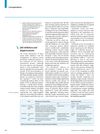
January 2019 in “Lancet” JAK inhibitors help regrow hair in alopecia areata patients, improving their quality of life.
Telogen hair loss affects emotional well-being and quality of life, with no standard treatment available.
 1 citations
,
March 2004 in “Journal of the American Academy of Dermatology”
1 citations
,
March 2004 in “Journal of the American Academy of Dermatology” Certain genes are linked to the risk of developing Alopecia Areata.
 April 2018 in “The journal of investigative dermatology/Journal of investigative dermatology”
 Mitochondrial dysfunction may contribute to chronic inflammation and immune system issues in Lichen planopilaris.
5 citations
,
May 2024 in “Journal of Allergy and Clinical Immunology Global” Upadacitinib effectively improved severe atopic dermatitis and alopecia universalis in a 29-year-old man.
August 2019 in “Journal of the American Academy of Dermatology” Frontal fibrosing alopecia may be caused by an autoimmune reaction and hormonal imbalance.
 November 2014 in “Prescriber”
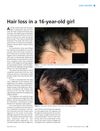
 The 16-year-old girl with hair loss was successfully treated for alopecia areata, leading to significant hair regrowth.
 63 citations
,
December 1988 in “International Journal of Dermatology”
63 citations
,
December 1988 in “International Journal of Dermatology” Vitiligo causes white skin patches and is linked to autoimmune issues.
50 citations
,
March 2021 in “Annals of Translational Medicine” More research is needed to understand and treat morphea effectively.
38 citations
,
September 2004 in “Journal of Autoimmunity” Alopecia areata patients have more activated T cells in their blood, which may help in developing treatments.
6 citations
,
June 2023 in “Journal of the European Academy of Dermatology and Venereology” Inflammation damages sweat ducts, causing sweat gland injury.
5 citations
,
June 2024 in “Experimental Dermatology” High beta-hydroxybutyrate levels may worsen hair loss in alopecia areata.
3 citations
,
April 2022 in “Biomolecules” Higher miR-34a levels and the A variant of the MIR-34A gene are linked to increased risk and severity of alopecia areata.
 August 2025 in “Frontiers in Immunology”
 Bullous pemphigoid, intrahepatic cholangiocarcinoma, and alopecia areata may share immune-related causes.
 May 2003 in “Journal of Investigative Dermatology”
 The meeting covered advances in understanding hair growth, causes of hair loss, and potential treatments.
43 citations
,
May 2011 in “Dermatologic therapy” New genetic discoveries in alopecia areata could lead to better treatments.
 43 citations
,
March 2006 in “Seminars in Cutaneous Medicine and Surgery”
43 citations
,
March 2006 in “Seminars in Cutaneous Medicine and Surgery” Different types of hair loss have unique features under a microscope, but a doctor's exam is important for accurate diagnosis.
 1 citations
,
December 2013 in “Journal of Evolution of Medical and Dental Sciences”
1 citations
,
December 2013 in “Journal of Evolution of Medical and Dental Sciences” Alopecia areata causes patchy hair loss due to unknown factors, affecting all ages and genders.
March 2025 in “NATIONS UNIVERSITY INTERNATIONAL JOURNAL OF MULTI-DISCIPLINARY STUDIES” Baricitinib effectively improved skin and hair conditions in a patient with alopecia areata and atopic dermatitis.
 February 2021 in “Journal of pharmaceutical and biological sciences”
 No cure exists for alopecia areata, and treatments are personalized.
 520 citations
,
January 2017 in “AIMS biophysics”
520 citations
,
January 2017 in “AIMS biophysics” Photobiomodulation therapy using red and near-infrared light can reduce inflammation and aid in healing various conditions.
May 2023 in “The Journal of Immunology” BST2 is a key marker for hair loss disease alopecia areata.
 November 2018 in “The European research journal”
 RDW can be a useful marker for inflammation in alopecia areata patients.
 2 citations
,
December 2011 in “Annales de Dermatologie et de Vénéréologie”
2 citations
,
December 2011 in “Annales de Dermatologie et de Vénéréologie” 2011 dermatological research found new skin aging markers, hair loss causes, skin defense mechanisms, and potential for new treatments.
 May 2025 in “The Journal of Rheumatology”
 Mixed Connective Tissue Disease can develop from overlapping symptoms of several autoimmune diseases, making diagnosis complex.
13 citations
,
July 2003 in “Annals of the Rheumatic Diseases” Co-trimoxazole successfully treated a girl with multiple autoimmune symptoms.