AI can improve alopecia areata diagnosis with high accuracy.
Ritlecitinib can reduce inflammation and help hair regrow in Alopecia Areata.
 July 2025 in “Dermatology Practical & Conceptual”
 Topical eyedrops may cause eyelash whitening and skin lightening around the eyes.
 July 2025 in “International Journal of Homoeopathic Sciences”
 Homeopathy helped a man regrow hair and feel better from total hair loss.
June 2025 in “Revista Foco” JAK inhibitors effectively treat severe alopecia areata with manageable side effects.
February 2025 in “Skin Appendage Disorders” Upadacitinib helps most people with alopecia regrow hair quickly and is generally safe.
New therapies like JAK inhibitors, PRP, and stem cell treatments show promise for better alopecia management.

Alopecia Areata causes hair loss and needs treatments that address both physical and emotional health.
January 2025 in “Clinical and Experimental Vaccine Research” A woman experienced total hair loss after an HPV vaccine, but treatment helped regrow her hair.
January 2025 in “Sanjeevani Darshan National Journal of Ayurveda & Yoga” Ayurvedic treatment may help manage alopecia areata.
October 2024 in “The American Journal of Gastroenterology” Upadacitinib improved both Crohn's ileitis and alopecia universalis in a patient.
 August 2024 in “Indian Journal of Skin Allergy”
 Stem-cell therapy shows promise for skin conditions but needs more research.
A 9-year-old girl developed type 1 diabetes and alopecia after being treated for a rare kidney disease.
 December 2023 in “Journal of Ayub Medical College Abbottabad”
 Ritlecitinib effectively treats alopecia areata in patients 12 and older with fewer side effects.
 September 2023 in “Medical and Clinical Case Reports”
 People with Alopecia Areata often have thyroid problems like Hashimoto thyroiditis and hypothyroidism.
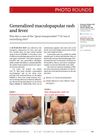 July 2023 in “The Journal of Family Practice”
 The man was diagnosed with lupus and improved with treatment.
 May 2023 in “Sučasna pedìatrìâ. Ukraïna”
 An 11-year-old child with total hair loss may have a genetic autoimmune disease, and the outlook for hair regrowth is not good.
 January 2023 in “Journal of Cosmetic Dermatology”
 Some children may develop hair loss after having COVID-19.
 January 2023 in “International Journal of Pharmaceutical Research and Development”
 Nanotechnology therapies can help improve quality of life for those with hair loss.
 January 2023 in “Indian Dermatology Online Journal”
 No single ideal JAK inhibitor for alopecia areata has been determined; JAK3 inhibitors may be promising with fewer side effects.
 January 2021 in “American journal of dermatological research and reviews”
 The muscle damage was caused by T-cell large granular lymphocytic leukemia, not dermatomyositis.
August 2019 in “Journal of the American Academy of Dermatology” Tofacitinib may help hair regrowth in alopecia areata, but more research is needed.
 February 2019 in “IP Indian journal of clinical and experimental dermatology”
 Psychological stress is a major factor in the onset and severity of alopecia areata, with atopic individuals being more prone to develop it.
An 11-year-old female Pinscher with Pemphigus Foliaceus was successfully diagnosed and treated.
 March 2017 in “The American Journal of Cosmetic Surgery”
 Transplanted hair follicles can resist hair loss from an autoimmune condition better than natural hair.
 February 2017 in “Medicina cutánea ibero-latino-americana”
 An 8-year-old boy with hair loss had hair regrowth and responded well to clobetasol propionate treatment.
 February 2015 in “Current problems in dermatology”
 The document provides a comprehensive guide for dermatologists to diagnose and treat hair loss.
June 2013 in “Annals of the Rheumatic Diseases” Specialist nurses play a crucial role in managing lupus and empowering patients.
January 2013 in “Refubium (Universitätsbibliothek der Freien Universität Berlin)” Lichen planopilaris is more common in older women and may be linked to hormone therapy and autoimmune diseases.
September 2011 in “American Journal of Transplantation” Hair regrowth in alopecia universalis may be possible by altering immune cells.