 51 citations
,
March 2014 in “Nature Communications”
51 citations
,
March 2014 in “Nature Communications” Skin tumor regression is helped by retinoic acid signaling blocking Wnt signaling.
24 citations
,
July 1994 in “Journal of Investigative Dermatology” A new method using stamps improves symmetry in hair restoration surgery.
1 citations
,
April 2021 in “IntechOpen eBooks” The PCR technique can identify genetic differences in a wool-related gene among different sheep breeds, which may help improve wool and pelt quality.
6 citations
,
March 2007 in “BioTechniques” PCR genotyping in cre-loxP mice can be inaccurate due to unintended gene deletions in non-target tissues.
The treatment was not recommended due to limited effectiveness and significant side effects.
 May 2022 in “Голова и шея.”
 Laser exposure at 445±40 nm safely increased tissue temperature without exceeding safety limits.
September 2021 in “Dermatologic Surgery” April 2021 in “Institutional Repositories DataBase (IRDB)” High-intensity red LED light boosts bone cell growth and mineralization.
 9 citations
,
February 2012 in “Social Semiotics”
9 citations
,
February 2012 in “Social Semiotics” The document concludes that modern photo stories help represent and challenge how breast cancer affects women's identities and societal norms.
9 citations
,
November 2015 in “JAMA dermatology” A 91-year-old woman's hair turned black in one spot, with skin changes underneath.
 6 citations
,
September 2010 in “Archives of Dermatology”
6 citations
,
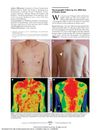
September 2010 in “Archives of Dermatology” Thermography matched the patient's pain levels in a shingles case and might help diagnose shingles without a rash.
29 citations
,
July 2013 in “Journal of Investigative Dermatology” UV radiation causes skin cancer, but sunscreens and certain drugs can help prevent it.
 February 2026 in “American Journal of Clinical Dermatology”
 Radiotherapy can cause skin fibrosis, which is often overlooked and needs better treatment and evaluation.
September 2015 in “Photodiagnosis and Photodynamic Therapy” 23 citations
,
October 2007 in “International journal of cancer” X-ray diffraction of hair might help detect breast cancer non-invasively.
 7 citations
,
August 2023 in “Therapeutic Innovation & Regulatory Science”
7 citations
,
August 2023 in “Therapeutic Innovation & Regulatory Science” A new method uses expert reviews of home videos to objectively assess children's developmental milestones in single-arm trials.
23 citations
,
January 2008 in “Skin Pharmacology and Physiology” Optical coherent tomography can effectively detect steroid use by analyzing hair changes.
37 citations
,
February 2008 in “PubMed” Keeping radiation doses under 16 Gy may reduce permanent hair loss.
6 citations
,
November 2020 in “Annals of Plastic Surgery” Adipose-derived stem cells and platelet-rich plasma together can protect skin and hair from radiotherapy damage.
 3 citations
,
May 2018 in “European Journal of Dermatology”
3 citations
,
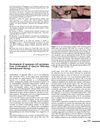
May 2018 in “European Journal of Dermatology” Photodynamic therapy may not work for erythroplasia of Queyrat and could lead to invasive squamous cell carcinoma.
 April 2023 in “Journal of Investigative Dermatology”
 The mTOR signaling pathway might play a role in radiation dermatitis, but more research is needed.
March 2015 in “Institutional Repositories DataBase (IRDB)” October 2002 in “Dermatologic Surgery” 9 citations
,
February 2024 in “Indian Dermatology Online Journal” New imaging technologies improve skin diagnosis but face cost and training challenges.
Newer retinoid drugs are effective for skin conditions but have significant side effects.
9 citations
,
December 2015 in “Journal of Dermatological Case Reports” Narrowband UVB therapy significantly improved a child's rare skin condition.
 27 citations
,
June 2015 in “Journal of photochemistry and photobiology. B, Biology”
27 citations
,
June 2015 in “Journal of photochemistry and photobiology. B, Biology” The new lab-grown skin model is good for testing sunscreen's protection against DNA damage from UV light.
January 2026 in “British Journal of Dermatology” The ATP assay can measure skin microbiome changes and recovery, with ethanol-treated skin taking longer to recover than tape-stripped skin.
130 citations
,
January 2000 in “Nature biotechnology”