1 citations
,
October 2025 in “Micromachines” Portable point-of-care testing can improve quick and accurate genetic disorder detection.
 6 citations
,
February 2016 in “British Journal of Dermatology”
6 citations
,
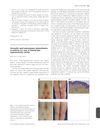
February 2016 in “British Journal of Dermatology” A woman with a drug allergy to anakinra was successfully desensitized, allowing her to continue treatment without allergic reactions.
50 citations
,
September 2009 in “Molecular Genetics and Metabolism” A new gene mutation causes vitamin D resistance and rickets, treatable with calcium therapy.
 February 2021 in “Journal of The American Academy of Dermatology”
 Platelet-rich plasma therapy's effectiveness for female hair loss needs more accurate data and further examination.
12 citations
,
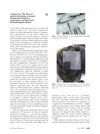
January 2014 in “Journal of X-Ray Science and Technology” Using 100–300 keV X-ray energy is best for treating deep-seated tumors with microplanar beam radiation therapy.
34 citations
,
September 1997 in “Acta Dermato Venereologica” RXR agonists may promote hair growth in humans.
1 citations
,
December 2025 in “Journal of Investigative Dermatology” 1010 citations
,
August 2000 in “Cell” Hair follicle stem cells can form both hair follicles and skin.
475 citations
,
October 2006 in “Proceedings of the National Academy of Sciences” Folliculin helps regulate energy and nutrient sensing, impacting Birt–Hogg–Dubé syndrome.
412 citations
,
January 1998 in “Science” A mutation in the human hairless gene causes alopecia universalis.
387 citations
,
November 2003 in “Journal of Investigative Dermatology” The K15 promoter effectively targets stem cells in the hair follicle bulge.
288 citations
,
January 2001 in “Journal of Biological Chemistry” Tgm2 helps stabilize dying cells and aids fibroblast attachment to the extracellular matrix.
280 citations
,
January 2004 in “The EMBO Journal” AGC2-1 protein is essential for root hair growth in Arabidopsis.
215 citations
,
September 2003 in “Journal of Biological Chemistry” Vitamin D receptor and hairless protein are essential for hair growth.
188 citations
,
June 1998 in “Molecular cell” Researchers created a mouse with the same mutation as humans with trichothiodystrophy, showing similar symptoms and confirming the condition is due to defects in DNA repair and gene activity.
166 citations
,
September 2011 in “The Journal of Cell Biology” p63 controls Satb1 to help skin develop properly.
153 citations
,
April 1998 in “Current Biology” The risk of skin tumors becoming malignant depends on the specific skin cell type affected.
127 citations
,
January 2000 in “Journal of Investigative Dermatology” Cytotoxic T cells cause hair loss in chronic alopecia areata.
99 citations
,
January 2004 in “Journal of Biological Chemistry” Methylprednisolone helps skin cells stick together better in pemphigus vulgaris.
88 citations
,
December 2003 in “Journal of Biological Chemistry” Epiprofin helps cells grow in developing teeth, hair, and limbs.
86 citations
,
April 2009 in “Journal of anatomy” Hard skin features like scales, feathers, and hair evolved through specific protein changes in different animal groups.
79 citations
,
January 2002 in “Nucleic Acids Research” BMP-2 activates the Dlx3 gene in mouse skin cells, important for hair and skin development.
79 citations
,
August 1998 in “The Journal of Cell Biology” Keratin 16 delays skin maturation and affects skin and hair development in mice.
77 citations
,
April 2005 in “Journal of Investigative Dermatology” Repetin is a protein involved in skin and hair development, binding calcium and compensating for other proteins when needed.
76 citations
,
February 2007 in “Cancer Research” Protein Kinase Cε increases skin sensitivity to UV damage and skin cancer risk.
73 citations
,
January 2002 in “Journal of Investigative Dermatology” Epidermal stem cells don't use gap junctions to communicate.
 67 citations
,
November 2019 in “Molecules”
67 citations
,
November 2019 in “Molecules” Tea, especially green tea, shows promise in cosmetics for skin and hair benefits but more research is needed for effective use.
65 citations
,
September 2014 in “Orphanet Journal of Rare Diseases” Different STUB1 gene mutations cause varied symptoms in autosomal recessive ataxias.
65 citations
,
May 2006 in “Journal of Investigative Dermatology” Dexamethasone may influence hair growth by altering estrogen receptor activity in hair cells.
63 citations
,
April 2005 in “Mechanisms of development” Mice with too much Claudin-6 have skin barrier problems and abnormal hair growth.