5 citations
,
February 2022 in “Molecular genetics & genomic medicine” New gene variants linked to a rare inherited hair loss disorder were found in three Chinese families.
1 citations
,
June 2025 in “Pigment Cell & Melanoma Research” SASH1 gene mutations are linked to various inherited skin pigmentation disorders.
 January 2024 in “Genetics in Medicine Open”
 A new IL6ST gene variant may cause a unique form of hyper-IgE syndrome with skin abscesses and high IgE levels.
 99 citations
,
July 2012 in “PLoS Genetics”
99 citations
,
July 2012 in “PLoS Genetics” A mutation in the KRT75 gene causes frizzle feathers in chickens.
 2 citations
,
January 2013 in “Elsevier eBooks”
2 citations
,
January 2013 in “Elsevier eBooks” The document explains the genetic causes and characteristics of inherited hair disorders.
 30 citations
,
May 2005 in “Pediatric dermatology”
30 citations
,
May 2005 in “Pediatric dermatology” Some families have a genetic condition where they are born with irregular scalp defects.
32 citations
,
January 2000 in “Human Heredity” Monilethrix severity varies and may be influenced by other genetic or environmental factors.
19 citations
,
October 1996 in “International Journal of Dermatology” Pseudopelade is a rare inherited hair loss condition with a genetic cause.
97 citations
,
March 2006 in “Journal of Investigative Dermatology” Mutations in the DSG4 gene cause a severe form of brittle hair and skin issues.
35 citations
,
May 2006 in “Journal of Investigative Dermatology” Monilethrix involves multiple genes affecting hair structure, including DSG4 mutations.
 6 citations
,
August 2012 in “The Journal of Pediatrics”
6 citations
,
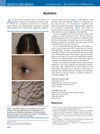
August 2012 in “The Journal of Pediatrics” A 12-year-old girl was diagnosed with monilethrix, a genetic condition causing fragile, beaded hair that breaks easily, with no effective treatment available.
26 citations
,
October 1998 in “Experimental Dermatology” A keratin hHb6 mutation causes a hair disorder with varying severity, influenced by other factors.
October 2024 in “Skin Research and Technology” Pili annulati causes zebra-striped hair but doesn't affect hair strength or quality of life.
Acitretin improved monilethrix symptoms temporarily, but they returned after stopping treatment.
10 citations
,
July 2001 in “PubMed” A new type of pachyonychia congenita may exist, caused by a different keratin mutation.
 8 citations
,
December 2020 in “Scientific reports”
8 citations
,
December 2020 in “Scientific reports” Selective breeding caused the unique curly hair in Mangalitza pigs.
2 citations
,
January 2002 in “Clinics in Dermatology” Vitiligo causes white skin patches, often starts before age 20, and is linked to other health issues.
 October 2023 in “Indian dermatology online journal”
 The young woman has a benign, hereditary skin condition with no signs of a more serious syndrome.
 July 2025 in “Dermatology Practical & Conceptual”
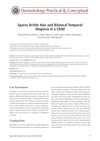
 A 2-year-old boy has a rare hair disorder causing brittle hair and hair loss, which may improve with age.

The document concludes that the girl's hairlessness is likely inherited from her parents.
The curly mutation in SELH/Bc mice affects hair and may help study human genetic disorders.
15 citations
,
June 2019 in “Biochemical Journal” A new genetic disorder caused by an ODC1 mutation can be treated with DFMO.
 2 citations
,
November 2022 in “Skin research and technology”
2 citations
,
November 2022 in “Skin research and technology” 5% topical minoxidil improves hair density and quality in monilethrix patients.
2 citations
,
January 1987 in “PubMed” Woolly hair syndrome is a genetic condition causing frizzy, fragile hair.
21 citations
,
March 2003 in “Clinical and Experimental Dermatology” Mutations in the hHb6 gene cause the hair disorder monilethrix.
56 citations
,
January 2014 in “Journal of Investigative Dermatology” Olmsted syndrome can be inherited as an autosomal recessive trait due to a rare TRPV3 gene mutation.
 October 2023 in “Case reports in dermatological medicine”
 A Jordanian family with Clouston syndrome has a common GJB6 gene mutation.
 February 2024 in “BMC genomics”
 The TRPV3 gene variant may cause the long-haired suri alpaca coat.
June 2023 in “Zenodo (CERN European Organization for Nuclear Research)” Hutchinson-Gilford Progeria Syndrome causes rapid aging due to a gene mutation, with no cure yet, but research may lead to better treatments.
 1 citations
,
April 2016 in “British Journal of Dermatology”
1 citations
,
April 2016 in “British Journal of Dermatology” Buschke-Ollendorff syndrome is a rare genetic disorder causing skin and bone changes, with some cases also showing ADHD or developmental delays.