 15 citations
,
September 2008 in “Archives of Dermatological Research”
15 citations
,
September 2008 in “Archives of Dermatological Research” Roxithromycin, an antibiotic, can increase hair growth and might be used as a treatment for hair loss.
 October 2023 in “IBRO neuroscience reports”
 Rat hair follicle stem cells have functional oxytocin receptors, useful for studying neuropsychiatric disorders.
38 citations
,
September 2017 in “Cancer Research” Boosting certain cell signals can prevent hair loss from cancer treatments.
 96 citations
,
October 2000 in “The FASEB Journal”
96 citations
,
October 2000 in “The FASEB Journal” The p75 neurotrophin receptor is important for hair follicle regression by controlling cell death.
 75 citations
,
October 2016 in “Genes & Development”
75 citations
,
October 2016 in “Genes & Development” Cells in hair follicles help create fat cells in the skin by releasing a protein called Sonic Hedgehog.
Combining ATRA with TPO-RA effectively stabilizes platelet counts in ITP patients.
December 2024 in “Tissue and Cell” A new method helps detect androgen receptor movement in cells, aiding research on hair loss treatments.
January 2024 in “Dermatologic Therapy” Tofacitinib effectively reduces hair loss in children with alopecia areata but may cause mild side effects and relapses.
49 citations
,
May 1974 in “Biochimica et Biophysica Acta (BBA) - Protein Structure” Transamidases are present in the epidermis but their exact role is unclear.
January 2017 in “Seoul National University Open Repository (Seoul National University)” AIMP1 can boost hair growth by increasing stem cell activity.
 41 citations
,
December 2015 in “JAMA Dermatology”
41 citations
,
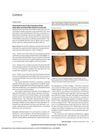
December 2015 in “JAMA Dermatology” Tofacitinib citrate improved nail dystrophy and pain in patients with alopecia universalis without causing side effects.

Activating certain potassium channels in honey bees can lower antioxidant levels and reduce death rates during heavy mite infestations, potentially aiding their immune response.
Retinoids can help treat skin pigmentation disorders by affecting melanin production.
January 2022 in “Figshare” Autophagy helps mouse glands stay healthy, prevents early aging, and maintains their oil and scent production.
6 citations
,
June 2023 in “Experimental Dermatology” Targeting mitophagy may help treat alopecia areata by reducing inflammasome activation.
July 2026 in “Journal of Cutaneous and Aesthetic Surgery” Vitamin D3 injections are as effective and potentially safer than TAC for treating alopecia areata.
 7 citations
,
March 2021 in “Journal of the American Academy of Dermatology”
7 citations
,
March 2021 in “Journal of the American Academy of Dermatology” Tofacitinib can regrow hair in alopecia areata patients, but some may experience flares during treatment.
February 2023 in “Research Square (Research Square)” Autologous Cellular Micrografts effectively treat hair loss with significant improvements and no dangerous side effects.
 49 citations
,
March 2017 in “Journal of the American Academy of Dermatology”
49 citations
,
March 2017 in “Journal of the American Academy of Dermatology” Tofacitinib caused significant hair regrowth in adolescents with alopecia universalis who didn't respond to other treatments.
35 citations
,
November 1989 in “Journal of steroid biochemistry/Journal of Steroid Biochemistry” Epitestosterone may act as a weak antiandrogen and can inhibit an enzyme involved in testosterone metabolism.
Tofacitinib helped a woman with total-body hair loss grow her hair back.
107 citations
,
October 2022 in “Frontiers in Immunology” T cells and inflammation are crucial in atherosclerosis, with anti-inflammatory treatments showing promise.
 2 citations
,
September 2022 in “Dermatologic Therapy”
2 citations
,
September 2022 in “Dermatologic Therapy” Tofacitinib is a promising treatment for severe alopecia areata, with many patients experiencing complete or partial hair regrowth.
 September 2024 in “British journal of surgery”
 Autologous stem cell therapy may effectively increase hair density in Androgenetic Alopecia.
 39 citations
,
April 2016 in “Case Reports in Dermatology”
39 citations
,
April 2016 in “Case Reports in Dermatology” Tofacitinib temporarily regrew hair in a man with alopecia, but its effects didn't last.
 January 2021 in “Journal of cosmetology & trichology”
 L-(+)-Tartaric Acid may help increase certain hair growth genes without harming cells.
18 citations
,
October 2016 in “European Journal of Pharmaceutics and Biopharmaceutics” The drug was successfully released into hair follicles using nanocarriers.
December 2025 in “Journal of the European Academy of Dermatology and Venereology” The correction does not change the study's main findings.
September 2017 in “BAUST Journal” Combining excimer lamp and tofacitinib gel may help treat hair loss in children.