 February 2022 in “CRC Press eBooks”
 Hair disorders include hair loss, excessive hair growth, and ingrown hairs, with various treatments available depending on the cause.
January 2022 in “International journal of dermatology and venereology” A Chinese man with KID syndrome had a new mutation in the GJB2 gene.
 May 2021 in “Journal of the Endocrine Society”
 A woman's hair loss and other symptoms were due to a rare hormone deficiency treatable with steroids.
 April 2020 in “Journal of the Endocrine Society”
 An ovarian tumor caused a woman's male-like symptoms, which improved after surgery.
 January 2019 in “Przegląd Dermatologiczny”
 Patients with one autoimmune disease should be checked for other autoimmune disorders.
 August 2018 in “Biomedical Journal of Scientific & Technical Research”
 Treated hair can fight dandruff and odor even after several washes.
The research found that people's hair proteins vary, especially by ethnicity and body part, which could help identify individuals in forensic science.
The research found that people's hair proteins vary by individual and body part, with some differences between ethnic groups, which could help in forensics.
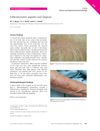 May 2014 in “Clinical and Experimental Dermatology”
 A 70-year-old woman with a rare skin condition improved after treatment with topical steroids and acitretin.
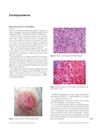 October 2010 in “International Journal of Dermatology”
 An 86-year-old man with prostate cancer was diagnosed with a rare, low-grade breast cancer and underwent surgery but declined additional hormone therapy.
October 1966 in “Archives of Dermatology” A 19-year-old female with alopecia universalis experienced total hair loss, and previous treatments were ineffective.
 April 2023 in “Journal of Investigative Dermatology”
 Sweating can potentially be controlled through olfactory receptors, with β-ionone playing a key role, and responses may vary between genders.
June 2026 in “Journal of Investigative Dermatology” Aging weakens sweat glands due to reduced support from immune cells, but treatments may help restore function.
 January 2012 in “Yearbook of Dermatology and Dermatologic Surgery”
 Electric current quickly reduces hand sweating but the effect doesn't last long.
2 citations
,
August 2014 in “Journal of the American Academy of Dermatology” A rare case of scleredema in a diabetic woman showed loss of sweat glands, causing heat strokes, with treatment only slightly improving symptoms.
2 citations
,
January 2007 in “Actas Dermo-Sifiliográficas” Two cases of hairy elbows syndrome were described, with normal skin texture and symmetrical hair growth.
 October 2021 in “JAAD Case Reports”
 Topical glycopyrrolate lotion helped reduce excessive sweating from eating in a diabetic man.

Targeting androgen receptors in the skin is the most effective treatment for hyperandrogenism-related skin issues.
 April 2024 in “Journal of Investigative Dermatology”
 Using quantitative traits in genetics can improve understanding and management of skin health and conditions.
December 2014 in “Actas dermo-sifiliográficas/Actas dermo-sifiliográficas” Hair removal with intense pulsed light can cause rare skin lesions that are hard to fully treat.
 15 citations
,
May 2013 in “American Journal of Medical Genetics - Part A”
15 citations
,
May 2013 in “American Journal of Medical Genetics - Part A” People with X-linked hypohidrotic ectodermal dysplasia have no sweat ducts and less, thinner hair.
2 citations
,
October 2013 in “Journal of Veterinary Internal Medicine” Sweat hypersensitivity can cause severe skin issues in horses.
6 citations
,
June 2023 in “Journal of the European Academy of Dermatology and Venereology” Inflammation damages sweat ducts, causing sweat gland injury.
March 2003 in “Clinics in Dermatology” A six-year-old girl with extra hair on her elbows was treated with hair removal methods.
 December 2016 in “Journal of evolution of medical and dental sciences”
 Skin problems are common in thyroid disorders, with dry skin in hypothyroidism and warm, soft skin in hyperthyroidism.
11 citations
,
July 1968 in “JAMA” Itching can be an early sign of hyperthyroidism.
1 citations
,
January 2013 in “Indian journal of dermatology, venereology, and leprology” A girl inherited excessive body hair from her mother and grandmother.
 September 2017 in “Journal of Investigative Dermatology”
 Aging causes sweat glands to shrink and move upward, leading to less elastic skin and more wrinkles.
May 2025 in “International Journal of Dermatology”