 3 citations
,
March 2020 in “International Journal of Dermatology”
3 citations
,
March 2020 in “International Journal of Dermatology” Tildrakizumab showed limited effectiveness in treating chronic alopecia areata in a small group of patients.
 1 citations
,
September 2022 in “Nepal journal of dermatology, venereology & leprology”
1 citations
,
September 2022 in “Nepal journal of dermatology, venereology & leprology” Apremilast shows promise for several skin conditions but needs more research.
October 2023 in “The Open Dermatology Journal” Baricitinib is effective for severe alopecia areata with manageable side effects, mainly upper respiratory infections.
 24 citations
,
June 2016 in “Acta dermato-venereologica”
24 citations
,
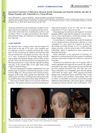
June 2016 in “Acta dermato-venereologica” Tofacitinib helped a young woman's severe hair loss and arthritis but not her plaque psoriasis.
 9 citations
,
May 2021 in “International Journal of Dermatology”
9 citations
,
May 2021 in “International Journal of Dermatology” The trial showed that a new under-the-tongue treatment for severe hair loss was somewhat effective in a small group of people.
 3 citations
,
January 1985 in “British Journal of Dermatology”
3 citations
,
January 1985 in “British Journal of Dermatology” Zinc sulphate solution was not effective in reducing the number, duration, or severity of recurrent herpes simplex infections.
 100 citations
,
June 2011 in “Journal of The American Academy of Dermatology”
100 citations
,
June 2011 in “Journal of The American Academy of Dermatology” 5% minoxidil foam once daily works as well as 2% minoxidil solution twice daily for female hair growth and is more convenient.
 8 citations
,
June 2022 in “Frontiers in Medicine”
8 citations
,
June 2022 in “Frontiers in Medicine” Both individual and combined treatments of tofacitinib and corticosteroids can help regrow hair in moderate-to-severe alopecia areata, but ongoing treatment may be necessary.
 September 2024 in “Journal of the American Academy of Dermatology”
 Baricitinib helps long-term hair regrowth in severe alopecia areata patients.
September 2025 in “Asian journal of pediatric dermatology.” Abrocitinib helped a 14-year-old girl with severe alopecia areata regrow her hair significantly.
November 2025 in “SKIN The Journal of Cutaneous Medicine” Ritlecitinib is generally safe for adolescents with alopecia areata over 5 years.
June 2026 in “British Journal of Dermatology” Ritlecitinib shows promise in improving severe alopecia areata, with 27% of patients seeing success.
Tofacitinib and low-dose IL-2 may help maintain hair regrowth in alopecia areata without ongoing treatment.
Eclipta alba IIHR Sel EA 43 is best for large-scale cultivation due to high growth, yield, and wedelolactone content.
January 2018 in “Figshare” Ruxolitinib and tofacitinib are effective and safe for treating severe alopecia areata.
 September 2025 in “Intisari Sains Medis”
 The combination therapy improved severe alopecia areata in a patient after 14 days.
 January 2025 in “Regenerative Biomaterials”
 The hydrogel helps reduce scarring and improve wound healing by releasing salvianolic acid B in acidic conditions.
March 2023 in “SKIN The Journal of Cutaneous Medicine” Ritlecitinib helped most alopecia areata patients regrow hair by Week 48.
 February 1990 in “Journal of The American Academy of Dermatology”
 New skin treatments in 1987-1988 showed effectiveness for various conditions, but some had side effects or risks.
1 citations
,
April 2025 in “Skin Health and Disease” Combining delgocitinib ointment with excimer laser can effectively treat severe alopecia areata.
 5 citations
,
January 2021 in “Journal of Cosmetic Dermatology”
5 citations
,
January 2021 in “Journal of Cosmetic Dermatology” Topical cetirizine 1% promotes hair growth in male androgenetic alopecia patients.
 3 citations
,
May 2023 in “International Journal of Molecular Sciences”
3 citations
,
May 2023 in “International Journal of Molecular Sciences” A new treatment using nanoparticles can effectively prevent and reduce hair loss caused by chemotherapy.
 May 2023 in “International Journal of Trichology”
 Tofacitinib may be an effective and safe treatment for hair loss in teenagers with alopecia areata.
 22 citations
,
March 2018 in “American Journal of Clinical Dermatology”
22 citations
,
March 2018 in “American Journal of Clinical Dermatology” New acne treatments show promise as alternatives to traditional therapies.
 April 2012 in “Journal of the American Academy of Dermatology”
 Clofazimine successfully treated a man's ashy dermatosis, clearing his skin lesions.
 May 2025 in “Journal of the Egyptian Womenʼs Dermatologic Society”
 Vitamin D3 is a safe and effective alternative to steroids for treating alopecia areata, with fewer side effects.
September 2017 in “Zenodo (CERN European Organization for Nuclear Research)” Liquorice extract may help treat acne by reducing sebum production.
 June 2017 in “Journal of the American Academy of Dermatology”
 Tofacitinib is effective and safe for treating severe alopecia areata and related conditions.
 May 2017 in “Journal of The American Academy of Dermatology”
 The treatment increased hair follicle counts and is potentially effective for male hair loss without serious side effects.
June 2026 in “British Journal of Dermatology” Ritlecitinib shows promise for treating alopecia areata with significant hair regrowth and no serious side effects.