 February 2026 in “Reports — Medical Cases Images and Videos”
 Upadacitinib may help regrow hair in children with alopecia areata and is generally safe.
 December 2023 in “Journal of health and rehabilitation research”
 Oral Apremilast effectively treats alopecia areata in most patients.
April 2017 in “Leukemia research” Tofacitinib helped most teenagers in the study regrow hair with mild side effects.
January 2024 in “Pharmaceutical journal/The pharmaceutical journal” Ritlecitinib can help about 14,000 people with severe hair loss.
2 citations
,
May 2025 in “Journal of Clinical Medicine” Upadacitinib is safe and effective for treating alopecia areata and atopic dermatitis in children.
April 2022 in “Reactions Weekly” 227 citations
,
April 2023 in “The Lancet” Ritlecitinib effectively treats alopecia areata and is well-tolerated.
May 2025 in “CPT Pharmacometrics & Systems Pharmacology” A 50 mg non-loading dose of ritlecitinib is safe for adults and adolescents.
 2 citations
,
November 1990 in “International Journal of Dermatology”
2 citations
,
November 1990 in “International Journal of Dermatology” Albendazole can cause hair loss, and piroxicam can cause fixed drug eruption.
 18 citations
,
February 2025 in “Drug Delivery and Translational Research”
18 citations
,
February 2025 in “Drug Delivery and Translational Research” The microneedle patches effectively treat allergic conjunctivitis with controlled, sustained release of medication.
July 2025 in “SKIN The Journal of Cutaneous Medicine” Ritlecitinib effectively improves hair regrowth and physician satisfaction in severe alopecia areata over time.
 September 2023 in “Journal of The American Academy of Dermatology”
 Baricitinib treatment can help regrow scalp hair and eyebrows or eyelashes in people with severe alopecia areata.
June 2025 in “British Journal of Dermatology” Ritlecitinib may cause serious side effects like blood clots in alopecia areata patients.
1 citations
,
October 2022 in “Iet Nanobiotechnology” The dutasteride nanoemulsion could improve hair loss treatment by enhancing drug penetration and retention in hair follicles.
 2 citations
,
April 2023 in “JEADV. Journal of the European Academy of Dermatology and Venereology/Journal of the European Academy of Dermatology and Venereology”
2 citations
,
April 2023 in “JEADV. Journal of the European Academy of Dermatology and Venereology/Journal of the European Academy of Dermatology and Venereology” JAK-inhibitors for alopecia areata are generally safe with mostly mild side effects and a low rate of treatment withdrawal.
 118 citations
,
July 2005 in “Journal of Ethnopharmacology”
118 citations
,
July 2005 in “Journal of Ethnopharmacology” Eclipta alba extract improved learning, memory, and stress-related ulcers in rats without affecting movement or causing anxiety.
 November 2025 in “SKIN The Journal of Cutaneous Medicine”
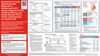
 Baricitinib significantly regrows hair in teens with severe alopecia areata.
9 citations
,
April 2023 in “Experimental Dermatology” Allergen desensitization reduces hair loss severity in dust-mite allergic alopecia areata patients.
March 2026 in “The Journal of Dermatology” Ritlecitinib is cost-effective for severe alopecia areata in Japan.
1 citations
,
August 2023 in “Journal of Cutaneous Medicine and Surgery” Anthralin 0.2% is effective for hair regrowth in children with alopecia areata.
1 citations
,
November 2025 in “Journal of the American Academy of Dermatology”  80 citations
,
August 1991 in “The journal of allergy and clinical immunology/Journal of allergy and clinical immunology/The journal of allergy and clinical immunology”
80 citations
,
August 1991 in “The journal of allergy and clinical immunology/Journal of allergy and clinical immunology/The journal of allergy and clinical immunology” Methotrexate reduced the need for steroids in asthma patients without worsening their condition.
 1 citations
,
October 2023 in “Clinical, cosmetic and investigational dermatology”
1 citations
,
October 2023 in “Clinical, cosmetic and investigational dermatology” Traditional treatment for pediatric alopecia areata is most effective and should be first choice.
49 citations
,
February 2022 in “Drug Design Development and Therapy” Ritlecitinib shows promise for hair regrowth in alopecia areata patients.
February 2021 in “Journal of the European Academy of Dermatology and Venereology” Alopecia areata is linked to more chronic illnesses, a specific lamp helps with notalgia paresthetica itch, pycnogenol aids melasma treatment, and dupilumab improves severe atopic dermatitis in children.
 25 citations
,
November 2022 in “British journal of dermatology/British journal of dermatology, Supplement”
25 citations
,
November 2022 in “British journal of dermatology/British journal of dermatology, Supplement” Baricitinib for severe alopecia areata is generally safe, with common side effects like infections and acne, and low rates of serious complications.
4 citations
,
December 2014 in “Dermatologica sinica/Zhōnghuá pífūkē yīxué zázhì” The excimer lamp is a safe and effective treatment for severe alopecia areata.
 September 2024 in “Journal of Cosmetic Dermatology”
 Combining CGF and microneedling with betamethasone effectively treats resistant alopecia areata.
6 citations
,
May 2013 in “Journal of Clinical Oncology” Combining Ficlatuzumab and Gefitinib can cause severe hair loss.
4 citations
,
July 2023 in “Nature Medicine” The FDA approved a new Pfizer drug for hair loss in teens.