August 2024 in “British Journal of Dermatology” Rezpegaldesleukin shows promise for treating severe alopecia areata.
 July 2022 in “المجلة العراقية للصيدلة”
 Azelaic acid 20% cream works well for treating scalp alopecia areata and can be an alternative to clobetasol ointment.

New cancer drugs can cause skin side effects like rashes, dry skin, hair changes, and nail problems.
New treatments show promise for hair loss, especially JAK inhibitors for alopecia areata.
4 citations
,
July 1987 in “Dermatologic Clinics”  1 citations
,
March 2024 in “BioDrugs”
1 citations
,
March 2024 in “BioDrugs” Biologics for severe asthma have known side effects, but some new risks need more study.
 June 2024 in “JEADV Clinical Practice”
 Severe alopecia areata patients have a low chance of spontaneous hair regrowth.
 4 citations
,
March 2018 in “Daehan han'yi hag'hoeji/Journal of Korean medicine”
4 citations
,
March 2018 in “Daehan han'yi hag'hoeji/Journal of Korean medicine” Astragalus membranaceus helps regrow hair and reduce hair loss symptoms.

The 0.05% dutasteride topical solution effectively promotes hair growth with fewer side effects than oral treatments.
 6 citations
,
January 2022 in “GSC Biological and Pharmaceutical Sciences”
6 citations
,
January 2022 in “GSC Biological and Pharmaceutical Sciences” Eclipta prostrata is used for health benefits and hair care, showing various protective and healing effects.
6 citations
,
May 2024 in “JAAD Case Reports” Topical ruxolitinib cream may help treat frontal fibrosing alopecia.
January 2019 in “Dermatologica Sinica” Dutasteride improved both hair loss and acne in two young men.
 September 2023 in “Medicina Estética Revista Científica de la Sociedad Española de Medicina Estética (SEME)”
 The FDA approved Litfulo® for treating severe alopecia areata in people aged 12 and older.
 July 2022 in “Al-Mağallaẗ al-ʻirāqiyyaẗ li-l-ṣaydalaẗ”
 Azelaic acid cream can effectively treat scalp hair loss.
 February 2026 in “Dove Medical Press (Taylor and Francis Group)”
 Upadacitinib can effectively regrow hair in alopecia areata patients without worsening sarcoidosis.
April 2016 in “The journal of investigative dermatology/Journal of investigative dermatology” The ALADIN score can predict how well patients with alopecia areata will respond to JAK inhibitor treatments.
 September 2023 in “Journal of Cosmetic Dermatology”
 Topical cetirizine may help increase hair length in male pattern baldness and could be an alternative to minoxidil with fewer side effects.
 2 citations
,
January 2021 in “JAAD Case Reports”
2 citations
,
January 2021 in “JAAD Case Reports” Using a special laser and skin medication together successfully cleared a skin condition in a pregnant woman.
 5 citations
,
February 2024 in “Clinical Pharmacokinetics”
5 citations
,
February 2024 in “Clinical Pharmacokinetics” A 50 mg daily dose of ritlecitinib is effective for alopecia areata, with temporary treatment breaks up to 6 weeks not affecting results.
10 citations
,
October 2018 in “Neurology Neuroimmunology & Neuroinflammation” Systemic corticosteroids might help treat hair loss caused by alemtuzumab in MS patients.
 78 citations
,
March 2017 in “JAMA Dermatology”
78 citations
,
March 2017 in “JAMA Dermatology” Tofacitinib helped regrow hair in people with severe alopecia, but side effects occurred and benefits stopped after treatment ended.
January 2011 in “Reactions Weekly” Baricitinib effectively treats alopecia areata, with over half of patients improving after 52 weeks.
 41 citations
,
April 2012 in “Journal of The European Academy of Dermatology and Venereology”
41 citations
,
April 2012 in “Journal of The European Academy of Dermatology and Venereology” Dutasteride-containing mesotherapy effectively treats female hair loss, improving density and thickness with minimal side effects.
 June 2022 in “Journal of The European Academy of Dermatology and Venereology”
 Microneedling with topical dutasteride improves hair growth in men with hair loss and is safe to use.
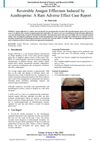 May 2025 in “International Journal of Science and Research (IJSR)”
 Stopping azathioprine led to full hair regrowth and recovery in 2.5 months.
 January 2016 in “The Australian Pharmacist”
 Tofacitinib might be used to treat hair loss.
March 2002 in “Hair transplant forum international” Dutasteride's effect on hair loss treatment is uncertain and should be used cautiously.
2 citations
,
January 2004 in “Linchuang pifuke zazhi” ZD1839 can cause skin issues like acne and hair changes.