 8 citations
,
June 2016 in “Journal of Cutaneous Pathology”
8 citations
,
June 2016 in “Journal of Cutaneous Pathology” Two women were diagnosed with a rare melanoma that looked like hair loss but was actually a type of skin cancer.
 2 citations
,
March 2023 in “JAAD case reports”
2 citations
,
March 2023 in “JAAD case reports” Hair repigmentation can indicate malignancy and should be investigated.
46 citations
,
April 2005 in “Melanoma Research”  1 citations
,
March 2011 in “Journal of Investigative Dermatology”
1 citations
,
March 2011 in “Journal of Investigative Dermatology” Blocking RANK signaling might help treat metastatic melanoma, but more research is needed.
9 citations
,
December 2018 in “Cutaneous and Ocular Toxicology” Combined BRAF and MEK treatment increases rash risk but reduces other skin issues compared to BRAF alone.
 September 2018 in “Journal of Investigative Dermatology”
 Non-white organ transplant patients have worse skin cancer outcomes due to later diagnosis and treatment.
17 citations
,
January 2010 in “PubMed” CD10 helps distinguish between basal cell carcinoma and benign hair follicle tumors.
75 citations
,
March 1998 in “Journal of Investigative Dermatology” The transgene likely activated an oncogene or interrupted a tumor suppressor gene, causing melanoma in mice.
![[4-t-Butylphenyl]-N-(4-imidazol-1-yl phenyl)sulfonamide (ISCK03) Inhibits SCF/c-kit Signaling in 501mel Human Melanoma Cells and Abolishes Melanin Production in Mice and Brownish Guinea Pigs](/images/assets/4eb017dc-711d-4926-bcd0-c3b8f48e3a99/small/19974.jpg) 26 citations
,
July 2007 in “Biochemical Pharmacology”
26 citations
,
July 2007 in “Biochemical Pharmacology” ISCK03 stops melanin production in human melanoma cells and lightens skin color in mice and guinea pigs.
 133 citations
,
May 2016 in “Cell Host & Microbe”
133 citations
,
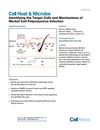
May 2016 in “Cell Host & Microbe” Human dermal fibroblasts are the main cells targeted by a virus that can cause a deadly skin cancer, and a certain inhibitor can effectively block this infection.
 January 2024 in “Wiadomości Lekarskie”
 Uveal melanoma is hard to treat when it spreads, but a new drug, tebentafusp, helps patients live longer.
43 citations
,
October 2006 in “Journal of Cell Science” Keratin 10 end domains may increase skin cancer risk by reducing cell death.
 4 citations
,
November 2022 in “British Journal of Cancer”
4 citations
,
November 2022 in “British Journal of Cancer” Men with melanoma have a higher risk of later being diagnosed with prostate cancer.

Hair turning darker can be a sign of skin cancer.
20 citations
,
November 2004 in “Archives of Pathology & Laboratory Medicine” A rare benign skin growth called melanocytic matricoma was identified in a 69-year-old man.
 68 citations
,
September 2003 in “British Journal of Dermatology”
68 citations
,
September 2003 in “British Journal of Dermatology” Shrinking skin cancer increases the chance of cancer in nearby lymph nodes.
4 citations
,
May 2023 in “Pigment Cell & Melanoma Research” BMI1 is essential for preventing hair greying and maintaining hair color.
2 citations
,
December 2015 in “Journal of dermatology” β-interferon injections for melanoma can cause excessive hair growth at the injection sites.
21 citations
,
November 2018 in “Journal of the European Academy of Dermatology and Venereology” The combination of encorafenib and binimetinib caused few skin issues.
 April 2024 in “Journal of translational medicine”
 Melanocytes are important for normal body functions and have potential uses in regenerative medicine and disease treatment.
 September 2017 in “Journal of Investigative Dermatology Symposium Proceedings”
 Non-melanoma skin cancer in darker-skinned people can be misdiagnosed, so doctors need to be more aware to diagnose it correctly and early.
 11 citations
,
March 2014 in “Journal of Investigative Dermatology”
11 citations
,
March 2014 in “Journal of Investigative Dermatology” Genetic mutation and carcinogen treatment are both needed for skin cancer to develop in these specific mice.
November 2024 in “Journal of Investigative Dermatology” December 2018 in “Dermatologic Surgery” August 2025 in “Dermatology Reports” Melanoma research shifted focus to immunotherapy drugs after 2010, increasing their study and citations.
11 citations
,
February 2023 in “Journal of Investigative Dermatology” Low m6Ascores in melanoma predict better survival and response to immunotherapy.
2 citations
,
August 2017 in “Experimental Dermatology” A human serum-enriched medium effectively supports melanocyte growth and activity without using animal-derived supplements.
August 2023 in “Journal of Investigative Dermatology” Senescent melanocytes in nevus skin boost hair growth.
 36 citations
,
March 2014 in “Biomaterials”
36 citations
,
March 2014 in “Biomaterials” A new skin-whitening agent using a peptide from wheat is safe and effective at reducing skin pigmentation.
 19 citations
,
April 2016 in “Experimental Dermatology”
19 citations
,
April 2016 in “Experimental Dermatology” Melanoblasts migrate to the skin using various pathways, and understanding this process could help with skin disease research.