 1 citations
,
January 2018 in “Methods in molecular biology”
1 citations
,
January 2018 in “Methods in molecular biology” The research found ways to activate melanocyte stem cells for potential treatment of skin depigmentation conditions.
 June 2018 in “Reactions Weekly”
 A 65-year-old man developed a serious skin cancer linked to a drug he was taking for a fungal infection after a bone marrow transplant.
1 citations
,
April 2010 in “Cancer Research” WYE-130600 may cause skin thickening and irritation.
The balance between cell renewal and differentiation controls the growth of cancerous cells in mouse skin.
 1 citations
,
June 2023 in “JAAD case reports”
1 citations
,
June 2023 in “JAAD case reports” Nivolumab treatment led to hair regrowth in a man with metastatic melanoma and alopecia areata.
 1 citations
,
April 2016 in “Journal of Investigative Dermatology”
1 citations
,
April 2016 in “Journal of Investigative Dermatology” NLRP1 helps melanoma tumors grow by boosting inflammasome activation and reducing caspase-3 activity.
 November 2021 in “World Family Medicine Journal /Middle East Journal of Family Medicine”
 The document's conclusion cannot be provided because the document is not readable or understandable.
 11 citations
,
October 2001 in “Dermatologic Clinics”
11 citations
,
October 2001 in “Dermatologic Clinics” The document concludes that DAB389-IL2 is promising for treating refractory cutaneous T-cell lymphoma, but more research is needed on its effectiveness and side effect management.
 September 2017 in “Journal of Investigative Dermatology Symposium Proceedings”
 A 73-year-old woman with Hypopigmented Mycosis Fungoides, a rare skin lymphoma, experienced disease progression despite treatment, emphasizing the need for ongoing monitoring.
 April 2018 in “Journal of Investigative Dermatology”
 BLZ-100 is safe for use in skin cancer surgery and may help identify cancerous tissue.
 24 citations
,
March 2018 in “Pigment Cell & Melanoma Research”
24 citations
,
March 2018 in “Pigment Cell & Melanoma Research” The environment around melanocyte stem cells is key for hair regeneration and color, with certain injuries affecting hair color and potential treatments for pigmentation disorders.
 April 2016 in “The journal of investigative dermatology/Journal of investigative dermatology”
 BMP signaling controls hair growth and skin color.
 27 citations
,
June 2023 in “Nature”
27 citations
,
June 2023 in “Nature” Senescent melanocytes can boost hair growth by activating hair stem cells.
September 2002 in “Oncology Times” Promising cancer treatments were found, but the manufacturer closed.
 April 2019 in “Journal of Investigative Dermatology”
 The created skin model with melanoblasts improves the study of skin color and offers an alternative to animal testing.
17 citations
,
July 2024 in “Frontiers in Oncology” New therapies and trials are needed for Merkel cell carcinoma, a tough skin cancer.
 3 citations
,
March 2019 in “Case Reports”
3 citations
,
March 2019 in “Case Reports” A man with myotonic dystrophy type 1 had 28 skin cancers, suggesting a link between the disease and skin cancer, emphasizing the need for sun protection and regular skin checks.
19 citations
,
April 2014 in “Expert opinion on emerging drugs” New treatments for a type of skin cancer show promise but have side effects and may work better with other therapies.
 9 citations
,
July 2008 in “Oncology Reports”
9 citations
,
July 2008 in “Oncology Reports” HPV16-transformed cells can change human skin cell properties, aiding tumor growth.
60 citations
,
October 2020 in “Nature Communications” AP-1 and TGFß work together to drive resistance in basal cell carcinoma, suggesting new treatment options.
April 2016 in “The journal of investigative dermatology/Journal of investigative dermatology” Activating Sonic Hedgehog signaling in cancer stroma may help treat basal cell carcinoma.
 1 citations
,
November 2017 in “The journal of investigative dermatology/Journal of investigative dermatology”
1 citations
,
November 2017 in “The journal of investigative dermatology/Journal of investigative dermatology” Mohs micrographic surgery is effective for treating basal cell carcinoma on the eyelid, while radiotherapy has higher recurrence rates, and topical vitamin D3 may reduce and delay BCC formation in mice.
 93 citations
,
May 2010 in “European Journal of Cancer”
93 citations
,
May 2010 in “European Journal of Cancer” BI 2536 had limited effectiveness against several advanced cancers and caused significant side effects.
 1 citations
,
December 2012 in “Journal of the European Academy of Dermatology and Venereology”
1 citations
,
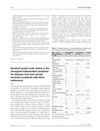
December 2012 in “Journal of the European Academy of Dermatology and Venereology” The health of the sentinel lymph node is the best indicator of survival for patients with thick skin cancer.
October 2014 in “Cancer research” Blocking mTORC1 reduces skin tumor growth in mice.
 1 citations
,
July 2012 in “British Journal of Dermatology”
1 citations
,
July 2012 in “British Journal of Dermatology” New treatments and management strategies for skin conditions like melanoma and Spitz naevi were discussed at the dermatologists' meeting.
 January 2011 in “Yearbook of Dermatology and Dermatologic Surgery”
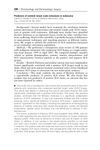
 Thicker melanomas and nodular types are more likely to spread to sentinel lymph nodes.
 15 citations
,
October 2014 in “Journal of Investigative Dermatology”
15 citations
,
October 2014 in “Journal of Investigative Dermatology” New treatments targeting the Hedgehog pathway can help treat advanced skin cancer but may have side effects and their effectiveness in early stages is unknown.
 41 citations
,
December 2018 in “Experimental Dermatology”
41 citations
,
December 2018 in “Experimental Dermatology” Understanding how melanocyte stem cells work could lead to new treatments for hair graying and skin pigmentation disorders.
7 citations
,
March 2023 in “Lasers in Surgery and Medicine” Ablative fractional laser treatment nearly matches the gene reduction effects of topical vismodegib in skin cancer.