July 2024 in “Journal of Investigative Dermatology” PH-762 shows promise in treating skin cancer by effectively targeting and silencing PD-1 in tumors with minimal side effects.
 29 citations
,
November 2014 in “Experimental Dermatology”
29 citations
,
November 2014 in “Experimental Dermatology” Injecting alpha-melanocyte-stimulating hormone in mice improved skin healing and reduced scarring.
 April 2018 in “Journal of Investigative Dermatology”
 The document concludes that ERBB2 mutations are common in extramammary Paget disease and may respond to systemic treatments like cancer immunotherapy.
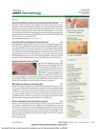 September 2016 in “JAMA Dermatology”
 Melanoma patients can learn to check their skin, early balding in men may indicate similar risks as PCOS in women, certain criteria can help predict skin cancer behavior, small skin cancer may not need extra therapy after surgery, and sterile gloves don't reduce infection in minor surgeries.
Moles may stop growing because of cell cooperation, not just because of aging cells.
3 citations
,
November 2011 in “Small GTPases” Researchers found that hair follicle stem cells can become squamous cell carcinoma due to Ras activation, which could lead to new treatments.
 19 citations
,
November 2023 in “npj Regenerative Medicine”
19 citations
,
November 2023 in “npj Regenerative Medicine” Synthetic melanin applied to skin speeds up wound healing.
36 citations
,
March 2009 in “Molecular Carcinogenesis” Disrupting Bcl-xL in mice reduces skin cancer risk.
11 citations
,
May 2008 in “British journal of dermatology/British journal of dermatology, Supplement” Identical p53 gene mutations in different cancers suggest the need for careful treatment.
 1 citations
,
September 2023 in “Journal of Investigative Dermatology”
1 citations
,
September 2023 in “Journal of Investigative Dermatology” Melatonin may protect hair follicle cells from damage caused by a chemotherapy drug.
25 citations
,
September 1995 in “Biochemistry and Cell Biology” High levels of human keratin 16 in mice cause skin lesions and abnormal skin development.
 234 citations
,
September 2004 in “Clinical cancer research”
234 citations
,
September 2004 in “Clinical cancer research” BAY 43-9006 helps control kidney cancer growth but doesn't significantly increase overall survival.
149 citations
,
January 2015 in “Journal of the American Academy of Dermatology” Targeted cancer therapies often cause skin side effects, needing dermatologist care.
10 citations
,
December 2015 in “International Journal of Dermatology” CK 15, follistatin, and Bmi-1 can help differentiate basal cell carcinoma from squamous cell carcinoma.
July 2019 in “Cancer Research” Bone marrow and hair follicle cells help form skin tumors, suggesting new treatment targets.
60 citations
,
August 2005 in “Endocrinology” αMSH may help regulate immune responses in hair follicles and its disruption could lead to hair loss.
 June 2023 in “jurnal veteriner”
 The combination of Typhonium flagelliforme extract and natural interferons effectively reduces tumor growth in mice.
 4 citations
,
January 2016 in “Dermatology Review”
4 citations
,
January 2016 in “Dermatology Review” Cancer treatments often cause skin, nail, and hair problems.
41 citations
,
April 2019 in “PLOS genetics” CD34+ and CD34- melanocyte stem cells have different regenerative abilities.
3 citations
,
April 2019 in “Stem cells international” Markers CRABP1, Nestin, and Ephrin B2 are present in skin cancer environments and may influence their development.
5 citations
,
October 2023 in “Phytotherapy Research” Dauricine may help treat certain brain cancers by reducing cancer cell growth and promoting cell death.
10 citations
,
March 2022 in “Frontiers in Oncology” HOTTIP and miR-10b contribute to glioma therapy resistance by affecting cell behavior, suggesting they could be targets for treatment.
January 2015 in “OpenBU/Boston University Institutional Repository (Boston University)” Neuropilin 2 may be a biomarker for melanoma and affects melanocyte behavior.
56 citations
,
December 1978 in “The Journal of Dermatologic Surgery and Oncology” Transplanting small skin grafts can successfully repigment leukoderma.
The bio-patch improves wound healing by reducing stress, inflammation, and promoting blood vessel growth.

Deleting Smad4 and PTEN genes in mice causes rapid, invasive forestomach cancer.
 5 citations
,
September 2010 in “Cancer Prevention Research”
5 citations
,
September 2010 in “Cancer Prevention Research” The research suggests new treatments for skin cancer could target specific cell growth pathways.
Vismodegib effectively treats advanced basal cell carcinoma but requires careful management of serious side effects.
 April 2018 in “Journal of Investigative Dermatology”
 Cutaneous lupus patients have higher levels of certain immune cells in their blood and skin.

Higher TGF-β signaling may increase skin cancer risk in organ transplant recipients.