
Baldness is often hereditary and linked to male hormones, becoming noticeable when half the hair is lost.
45 citations
,
January 2010 in “Forensic science international” Neonatal hair can help determine drug exposure during pregnancy.
March 2014 in “CRC Press eBooks” Human head hair can grow very long and is thicker than most body hair.
21 citations
,
January 2016 in “NeuroImmunoModulation” Hair cortisol levels can indicate stress over the past three months.
 24 citations
,
January 2015 in “Current problems in dermatology”
24 citations
,
January 2015 in “Current problems in dermatology” The document concludes that accurate diagnosis of hair loss in children is crucial due to limited treatment options and the condition's psychological impact.
 38 citations
,
October 1988 in “Clinics in Dermatology”
38 citations
,
October 1988 in “Clinics in Dermatology” Hormones, nutrition, and seasonal changes regulate hair growth cycles, with androgens extending growth phases and factors like aging and malnutrition affecting hair loss and thinning.
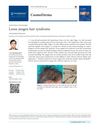 February 2023 in “Cosmoderma”
 Loose anagen hair syndrome causes easily shed hair but usually improves with time.
133 citations
,
July 1994 in “Journal of Dermatological Science” Human hair growth can be influenced by certain growth factors and has specific metabolic needs.
13 citations
,
January 2002 in “Clinics in dermatology” A mushroom extract might reduce hair loss and liver damage caused by certain chemotherapy drugs in animals.
8 citations
,
January 2011 The polyherbal ointment significantly promotes hair growth.
January 1992 in “Proceedings of the New Zealand Society of Animal Production” Ferret hair growth starts between 0 and 4 days after melatonin treatment, with cell growth peaking in the hair germ and declining as the hair matures.
 July 2018 in “Elsevier eBooks”
 The most common cause of hair loss in children is tinea capitis, followed by alopecia areata and telogen effluvium.
 46 citations
,
May 1986 in “Seminars in Reproductive Medicine”
46 citations
,
May 1986 in “Seminars in Reproductive Medicine” Testosterone and dihydrotestosterone affect hair growth, and new techniques like the folliculogram help study it, but fully understanding hair growth is still complex.
September 1993 in “Archives of Disease in Childhood”  3 citations
,
June 1997 in “Veterinary Dermatology”
3 citations
,
June 1997 in “Veterinary Dermatology” Minoxidil treatment can stimulate hair growth in hairless puppies if applied early.
 4 citations
,
November 2004 in “Clinical and Experimental Dermatology”
4 citations
,
November 2004 in “Clinical and Experimental Dermatology” Hair length and thickness are related, with thickness peaking at about a quarter of the hair's maximum length.
6 citations
,
January 1994 in “PubMed” The molecular mechanisms controlling hair growth phases are not fully understood yet.
 42 citations
,
September 2000 in “British Journal of Dermatology”
42 citations
,
September 2000 in “British Journal of Dermatology” Some children are born with unusually short, fine hair because their hair growth phase is short, but this often gets better by itself during puberty.
46 citations
,
February 1983 in “The Journal of Dermatology” Hair regrowth slows with age due to changes in enzyme activity.
 July 2024 in “Berkala Ilmu Kesehatan Kulit dan Kelamin”
 Proper diagnosis and treatment of hair loss in children are crucial to prevent lasting issues and maintain their quality of life.
 31 citations
,
May 2008 in “Drug Discovery Today: Disease Mechanisms”
31 citations
,
May 2008 in “Drug Discovery Today: Disease Mechanisms” Different hair growth problems are caused by genetic issues or changes in hair growth cycles, and new treatments are being developed.
 41 citations
,
July 2002 in “Clinical and Experimental Dermatology”
41 citations
,
July 2002 in “Clinical and Experimental Dermatology” Effective hair loss assessment requires a mix of precise measurement methods.
 January 2021 in “bioRxiv (Cold Spring Harbor Laboratory)”
 Mothers have more hair proteins than their children, with age-related differences in protein patterns, and some proteins in hair could indicate early childhood development.
 19 citations
,
August 2013 in “Facial Plastic Surgery Clinics of North America”
19 citations
,
August 2013 in “Facial Plastic Surgery Clinics of North America” Children's hairlines change shape as they grow, with women often developing a widow's peak and men's hairlines becoming more convex and possibly balding at the temples, influenced by genetics and hormones.
 155 citations
,
August 2003 in “Journal Of Experimental Zoology Part B: Molecular And Developmental Evolution”
155 citations
,
August 2003 in “Journal Of Experimental Zoology Part B: Molecular And Developmental Evolution” Understanding hair growth involves complex interactions between molecules and could help treat hair disorders.
58 citations
,
December 1992 in “British Journal of Dermatology” Rat hair follicles grow longer in vitro, but certain factors can inhibit this growth.
 1 citations
,
May 1965 in “Medical Clinics of North America”
1 citations
,
May 1965 in “Medical Clinics of North America” Hair growth dysfunction involves various conditions with limited treatment options.
4 citations
,
April 2018 in “The journal of pediatrics/The Journal of pediatrics” A 6-year-old girl's inability to grow her hair long was due to Loose Anagen Hair Syndrome, which causes hair to shed easily and may improve with age.
 24 citations
,
May 1963 in “Archives of Dermatology”
24 citations
,
May 1963 in “Archives of Dermatology” Most new moms had their hair grow back within 4-6 months after childbirth, and hair loss is likely due to hormonal changes.
 July 2018 in “IP Indian journal of clinical and experimental dermatology”
 Hair loss in rural Indian children is often due to malnutrition, poor grooming, stress, and infections.