52 citations
,
May 2006 in “Journal of Structural Biology” Keratin-associated proteins help link filaments and affect keratin's strength.
12 citations
,
January 2000 in “Journal of cutaneous medicine and surgery” Microorganism overgrowth and hyperkeratosis may trigger immune reactions causing lichen planopilaris.
380 citations
,
February 2023 in “Journal of Clinical Medicine” PCOS is influenced by various factors and may be managed by restoring gut health and using new therapies.
165 citations
,
May 2023 in “Science Advances” The hydrogel speeds up healing of infected wounds by providing oxygen and fighting bacteria.
13 citations
,
November 2017 in “BMC Veterinary Research” Fusidic acid can be an effective topical treatment for superficial bacterial infections in dogs.
 9 citations
,
February 2022 in “Genes”
9 citations
,
February 2022 in “Genes” Women with PCOS have more Bifidobacterium in their gut compared to those without PCOS.
8 citations
,
August 2015 in “Experimental Dermatology” Hidradenitis suppurativa may involve gut and oral bacteria, suggesting targeted treatments could help.
 6 citations
,
April 2023 in “Frontiers in plant science”
6 citations
,
April 2023 in “Frontiers in plant science” Certain bacteria can boost lentil growth and improve soil used for farming.
 5 citations
,
April 2023 in “BMC Microbiology”
5 citations
,
April 2023 in “BMC Microbiology” Shampoo with heat-killed Lacticaseibacillus paracasei GMNL-653 improves scalp health and hair growth by changing scalp bacteria.
 4 citations
,
October 2022 in “Genes”
4 citations
,
October 2022 in “Genes” Our microbiome may affect the development of the hair loss condition Alopecia Areata, but more research is needed to understand this relationship.
4 citations
,
October 2021 in “Microorganisms” Men with androgenetic alopecia have different scalp oils and microbes compared to those without.
2 citations
,
February 2024 in “International journal of molecular sciences” Gut health affects skin diseases, and probiotics might help.
2 citations
,
December 2023 in “International journal of molecular sciences” Wound healing is greatly affected by the types of bacteria present, which can either help or hinder the process.
 2 citations
,
November 2022 in “Bioscience Reports”
2 citations
,
November 2022 in “Bioscience Reports” Polycystic ovary syndrome and iron overload share similar symptoms and can be potentially treated with blood removal, diet changes, and probiotics.
 2 citations
,
May 2022 in “Cosmetics”
2 citations
,
May 2022 in “Cosmetics” Further research is needed to understand how the microbiome affects hair loss in Alopecia Areata.
1 citations
,
October 2025 in “EBioMedicine” Women have a higher DHT/testosterone ratio than men, possibly due to gut bacteria activity.
 1 citations
,
January 2023 in “Metabolites”
1 citations
,
January 2023 in “Metabolites” Changes in gut bacteria can contribute to the development of Polycystic Ovary Syndrome (PCOS), affecting metabolism, immunity, and causing inflammation. Treatments may involve adjusting these factors.
March 2026 in “International Journal of Dermatology” Changes in scalp microbes may contribute to hair loss, suggesting new treatment options.
January 2026 in “Microorganisms” Bifidobacterium animalis subsp. lactis J12 helps reduce atopic dermatitis symptoms.
December 2025 in “Cosmetics” Gut bacteria differences could help diagnose and treat alopecia areata.
October 2025 in “Burns & Trauma” Engineered probiotics can help heal wounds faster, especially in diabetic foot ulcers.
 August 2025 in “Frontiers in Pharmacology”
 Periplaneta americana extract helps hair regrowth by reducing inflammation and improving skin bacteria balance.
August 2024 in “Pharmaceuticals” Oral sturgeon oil promotes hair growth and improves gut health.
 September 2023 in “International Journal of Cosmetic Science”
 Both shampoos increased scalp germ numbers but did not change the overall microbial community composition.
Thermal spring waters and their microbes could be good for skin health and treating some skin conditions in skincare products.
 February 2026 in “Probiotics and Antimicrobial Proteins”
 Modifying gut bacteria with pro- and postbiotics may help treat hair loss.
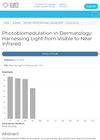 9 citations
,
January 2018 in “Medical research archives”
9 citations
,
January 2018 in “Medical research archives” Low-intensity light therapy is effective for skin healing, reducing inflammation, and treating various skin conditions.
2 citations
,
December 2024 in “JPRAS Open” Scalp skin is a good option for skin grafts, healing well with proper care.
July 2026 in “Journal of Investigative Dermatology” Gut microbes influence how different fats affect skin and hair health.
Ostrich antibodies can help restore hair growth in people with a specific type of hair loss, increasing hair count by 71% on average.