
Observing someone's physical appearance can give hints about their health, hygiene, and potential medical conditions.

Hair loss can significantly affect mental health.
The models can help find better inhibitors for conditions like baldness and prostate disorders.
 January 2014 in “CyberLeninK (CyberLeninka)”
 Various cosmetic issues can be treated with different methods like dermabrasion, chemical peels, and hair transplants.
 December 2013 in “Macedonian Journal of Medical Sciences”
 Ovarian steroid cell tumors should be considered in adults with hirsutism and high testosterone, with surgery as the main treatment.
 December 2013 in “Open Access Macedonian Journal of Medical Sciences”
 A woman's excessive hair growth and high testosterone were caused by a rare ovarian tumor, which was successfully treated with surgery.
Human scalp hair follicles have PGE2 and its receptors, which might affect hair growth.
August 2013 in “International Wound Journal” Non-hairy skin cells might be used to regenerate hair, helping with baldness and skin wounds.
June 2013 in “Institutional Repositories DataBase (IRDB)” Glechoma hederacea extract may help promote hair growth and treat baldness.
Different hair and nail conditions can indicate health issues and have specific treatments; accurate diagnosis is crucial before treatment.
 January 2013 in “Elsevier eBooks”
 Hair loss from cancer treatment is a major emotional burden for patients because it affects their appearance and constantly reminds them of their illness.
 July 2012 in “European journal of cancer”
 MPA increases cancer spread by boosting Eph A2 activity.
Some plants may help with hair growth but need more scientific evidence.
November 2009 in “Universiti Putra Malaysia Institutional Repository (Universiti Putra Malaysia)” The composition helps hair growth and prevents baldness.
 August 2009 in “Journal of Oral and Maxillofacial Surgery”
 Hair transplantation and micrografting are effective for cosmetic facial enhancement, requiring careful technique and postoperative care for successful outcomes.
 August 2009 in “Journal of Oral and Maxillofacial Surgery”
 Hair transplantation and micrografting are effective for facial enhancement with nearly 100% graft survival when done carefully.
 March 2009 in “Journal of Biomedical Research”
 Herbal extract mixtures may speed up hair growth and could help treat baldness.
 January 2009 in “Hair transplant forum international”
 Realistic expectations about hair density and coverage lead to higher patient satisfaction in hair transplant surgery.
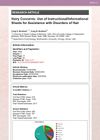 June 2008 in “The Open Dermatology Journal”
 Instructional sheets can help patients manage hair disorders.
 September 2007 in “Dermatologic Surgery”
 3% hydrogen peroxide does not reduce hair graft survival compared to saline.
 August 2007 in “CRC Press eBooks”
 Hair loss is mainly caused by a testosterone byproduct, and hair restoration surgery uses hair from the back and sides of the scalp.
Transplanted hair follicles can restore function and connect with host tissues.
January 2006 in “Bohn Stafleu van Loghum eBooks” Long-term use of finasteride can help treat hair loss.
January 2005 in “Chinese Journal of Aesthetic Medicine” The combined hair transplant technique was effective and had high patient satisfaction.
January 2005 in “Lithuanian University of Health Sciences” Hair loss may be linked to imbalances in trace elements.
Chronic hair diseases can severely impact mental health and self-confidence.
September 2002 in “대한피부과학회지” Koreans have lower hair density, larger hair diameter, and slower hair growth than Caucasians.
 August 2001 in “Dermatologic Surgery”
 The KNU implanter for hair transplants showed a high survival rate of 90%+ for transplanted hairs after 6 months, with benefits like natural hair direction and fewer scars.
January 2001 in “Journal of Shenyang Pharmaceutical University” New treatments for hair loss are being developed using both traditional Chinese and Western medicine.
January 2001 in “대한피부과학회지” Horizontal sectioning helps diagnose hair loss, but Korean follicle differences matter.