 November 2022 in “Journal of Investigative Dermatology”
 The research found specific genes that are more active in balding cells, which could be causing hair loss.
 September 2019 in “Journal of Investigative Dermatology”
 Dermal Papilla Cells grown in 3D and with stem cells better mimic natural hair growth conditions than cells grown in 2D.
 46 citations
,
April 2016 in “Journal of Investigative Dermatology”
46 citations
,
April 2016 in “Journal of Investigative Dermatology” New genes found linked to balding, may help develop future treatments.
 13 citations
,
November 2010 in “Experimental Dermatology”
13 citations
,
November 2010 in “Experimental Dermatology” Vitamin C derivative reduces hair loss-related protein in cells.
 11 citations
,
April 2013 in “Journal of Proteomics”
11 citations
,
April 2013 in “Journal of Proteomics” Found different proteins in balding and non-balding cells, giving insight into hair loss causes.
2 citations
,
October 2010 in “BMB Reports” L-threonate may help prevent balding by blocking a key hair loss factor.
 190 citations
,
October 2002 in “The FASEB journal”
190 citations
,
October 2002 in “The FASEB journal” Androgens may cause hair loss by increasing TGF-beta1 from scalp cells, which inhibits hair cell growth.
 4 citations
,
February 2022 in “International Journal of Molecular Sciences”
4 citations
,
February 2022 in “International Journal of Molecular Sciences” Myotonic Dystrophy may age cells faster, and drugs that target aging could be potential treatments.
 January 2014 in “Journal of Investigative Dermatology”
 Proteins like aPKC and PDGF-AA, substances like adenosine and ATP, and adipose-derived stem cells all play important roles in hair growth and health, and could potentially be used to treat hair loss and skin conditions.
 27 citations
,
September 1999 in “Journal of Investigative Dermatology”
27 citations
,
September 1999 in “Journal of Investigative Dermatology” Human skin cells contain Protease Nexin-1, and male hormones can decrease its levels, potentially affecting hair growth.
31 citations
,
October 2010 in “BMB Reports” L-threonate may help prevent balding by blocking a key protein.
 4 citations
,
February 2022 in “Experimental Dermatology”
4 citations
,
February 2022 in “Experimental Dermatology” Hair loss in men might be linked to changes in cell energy factories.
 March 1998 in “Journal of dermatological science”
 Protease Nexin-1 is found in human hair growth cells and is affected by male hormones.
 13 citations
,
June 2007 in “Journal of Dermatological Science”
13 citations
,
June 2007 in “Journal of Dermatological Science” Researchers created a cell line to study hair growth and found specific genes affected by dihydrotestosterone.
 30 citations
,
November 2013 in “PLOS ONE”
30 citations
,
November 2013 in “PLOS ONE” Androgen receptor signaling causes early aging of cells important for hair growth by damaging their DNA.
 5 citations
,
January 2004 in “Japanese journal of geriatrics”
5 citations
,
January 2004 in “Japanese journal of geriatrics” Male hormones can cause hair loss, but treatments like Minoxidil and Finasteride can help, and targeting TGF-B1 could be a future solution.
 2 citations
,
January 2004 in “Enshou saisei”
2 citations
,
January 2004 in “Enshou saisei” Male pattern baldness is caused by certain cells in hair follicles and could potentially be treated by targeting a specific growth factor, TGF-β1.
January 2026 in “British Journal of Dermatology” Caffeine and DMG increase calcium influx in hair follicle cells without being toxic.
 June 2024 in “Dermatology and therapy”
 Intramuscular injections improved hair density more than intradermal injections for treating hair loss.
 19 citations
,
September 2011 in “Journal of Dermatological Science”
19 citations
,
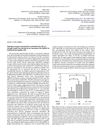
September 2011 in “Journal of Dermatological Science” TGF-β1 increases androgen receptor activity in hair loss, but Hic-5/ARA55 can counter this effect.
 May 2015 in “Journal of Investigative Dermatology”
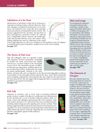
 Melanoma risk tools need improvement, a gene mutation causes a hair disorder that might be treated by managing cell stress, a potential therapy for a skin-ear disorder involves blocking cell channels, skin wrinkling may indicate lung aging regardless of smoking, and oxidative stress might contribute to common baldness.
 24 citations
,
January 2015 in “Annals of Dermatology”
24 citations
,
January 2015 in “Annals of Dermatology” Herbal extracts may help hair grow and could be an alternative to synthetic hair loss treatments.
141 citations
,
November 2007 in “Journal of Investigative Dermatology” Balding cells age faster due to stress, suggesting stress-targeting treatments for hair loss.
 126 citations
,
January 2009 in “International Journal of Trichology”
126 citations
,
January 2009 in “International Journal of Trichology” Oxidative stress contributes to hair graying and loss as we age.
 56 citations
,
September 2013 in “Journal of Biochemistry and Molecular Biology”
56 citations
,
September 2013 in “Journal of Biochemistry and Molecular Biology” Androgens increase a growth factor in hair cells by creating reactive oxygen species, and antioxidants might help treat hair loss.
 78 citations
,
June 2003 in “Journal of Investigative Dermatology Symposium Proceedings”
78 citations
,
June 2003 in “Journal of Investigative Dermatology Symposium Proceedings” TGF-β1 from dermal papilla cells suppresses hair growth, and targeting it may help treat androgenetic alopecia.
 63 citations
,
November 1999 in “British journal of dermatology/British journal of dermatology, Supplement”
63 citations
,
November 1999 in “British journal of dermatology/British journal of dermatology, Supplement” Hair sensitivity to androgens is partly controlled by specific enzyme expressions in different hair areas.
 39 citations
,
June 2013 in “Journal of Cosmetic Dermatology”
39 citations
,
June 2013 in “Journal of Cosmetic Dermatology” Herbal extracts and platelet-rich plasma together may help increase hair growth by making certain cells grow more, through specific cell growth pathways.
 19 citations
,
December 2016 in “PLOS ONE”
19 citations
,
December 2016 in “PLOS ONE” Early-stage skin cells help regenerate hair follicles, with proteins SDF1, MMP3, biglycan, and LTBP1 playing key roles.
 2 citations
,
October 2017 in “Revista Da Associacao Medica Brasileira”
2 citations
,
October 2017 in “Revista Da Associacao Medica Brasileira” Removing p16INK4a from skin cells can lead to faster and more clumped growth, which might help with hair growth.