 1 citations
,
July 1997 in “Inpharma Weekly”
1 citations
,
July 1997 in “Inpharma Weekly” Finasteride improves hair growth and satisfaction in men with male pattern baldness but may cause sexual side effects.
 February 2026 in “International Journal of Molecular Sciences”
 New biological pathways and potential treatment targets for male pattern baldness were identified.
 February 2025 in “East African Scholars Journal of Medical Sciences”
 Higher testosterone and DHEA-S levels may be linked to male pattern baldness.
 June 2024 in “Journal of Cosmetic Dermatology”
 Hair transplants are better for severe hair loss, while scalp micropigmentation suits those with denser hair.
 April 2024 in “International journal of impotence research”
 Some men experience persistent sexual, neurological, and psychological symptoms after stopping finasteride, but evidence of permanent damage is inconclusive.
May 2023 in “Experimental Dermatology” Male pattern hair loss may be linked to the developmental origins of hair follicles.
 October 2018 in “InTech eBooks”
 The gene Foxn1 is important for hair growth, and understanding it may lead to new alopecia treatments.
 January 2017 in “Springer eBooks”
 Over 40% of postmenopausal women experience hair loss, with treatments aiming to stop further loss and possibly thicken hair.
The document concludes that hair loss in women is complex, often linked to aging, health conditions, and nutritional deficiencies, and emotional impacts should not be underestimated.

Human scalp hair follicles have PGE2 and its receptors, which might affect hair growth.

Botulinum toxin-A may increase hair growth and reduce hair loss in men with baldness, and injecting near blood vessels can improve pain relief and last longer.
 January 2013 in “Yearbook of Urology”
 Former finasteride users showed higher rates of depression and suicidal thoughts compared to those who never used it.
 April 2012 in “Lab Animal”
 Early exposure to germs may protect against autoimmune diseases, lack of sex increases alcohol preference in fruit flies, a potential baldness treatment could involve blocking a specific receptor, skin memory cells help prevent re-infection, high-fat diets can affect brain cells related to weight, and the link between social status, stress, and heart disease in primates is unclear.
 April 2012 in “Informa Healthcare eBooks”
 The document concludes that diagnosing hair loss requires evaluating multiple histological features, as no single feature is definitive on its own.
 August 2009 in “Journal of Oral and Maxillofacial Surgery”
 Hair transplantation and micrografting are effective for facial enhancement with nearly 100% graft survival when done carefully.
 August 2009 in “Journal of Oral and Maxillofacial Surgery”
 The document concludes that understanding hair loss patterns and careful surgical techniques are key for successful hair transplantation in oral and maxillofacial surgery.
April 2023 in “Medizinische Genetik” Male-pattern hair loss is largely influenced by genetics, with key genes identified.
 March 2019 in “International Journal of Dermatology”
 Hairline recession makes Asian males look older, especially in mid-young age; proper hairline position can help them look younger.
 June 2005 in “British Journal of Dermatology”
 Women find hair loss more distressing than men and often underestimate it, needing more public awareness and professional support.
11 citations
,
May 2010 in “Pigment Cell & Melanoma Research” Two genes, Tabby and Ticked, determine cat coat patterns.
 222 citations
,
January 2014 in “International journal of reproductive medicine”
222 citations
,
January 2014 in “International journal of reproductive medicine” Insulin resistance and obesity are key factors in the development and worsening of polycystic ovary syndrome, and lifestyle changes are important for managing it.
 76 citations
,
November 2010 in “Journal of The American Academy of Dermatology”
76 citations
,
November 2010 in “Journal of The American Academy of Dermatology” Some African American women's central scalp hair loss is linked to genetics and past fungal scalp infections, with more research needed on other causes.
 60 citations
,
January 2007 in “Human Genetics”
60 citations
,
January 2007 in “Human Genetics” AR polyglycine repeat doesn't cause baldness.
 24 citations
,
April 2017 in “Journal of Investigative Dermatology”
24 citations
,
April 2017 in “Journal of Investigative Dermatology” Age, smoking, and lower BMI increase facial wrinkles; men wrinkle more than women, except in old age; pale skin and certain hormonal factors can protect against wrinkles.
 8 citations
,
January 1996 in “Springer eBooks”
8 citations
,
January 1996 in “Springer eBooks” Male pattern baldness may be caused by factors like poor blood circulation, scalp tension, stress, and hormonal imbalances, but the exact causes are still unclear.
 3 citations
,
March 2018 in “BMC Cancer”
3 citations
,
March 2018 in “BMC Cancer” Baldness, especially at the front, may lower the risk of testicular cancer by 31%, but its link to prostate cancer is unclear.
 1 citations
,
October 2015 in “Renal Failure”
1 citations
,
October 2015 in “Renal Failure” Hair loss linked to kidney stones in people under 60.
 September 2023 in “Nature Communications”
 Rare genetic variants in five specific genes are linked to male-pattern hair loss but only account for a small part of the risk.
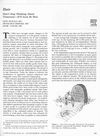
research Hair
May 1995 in “Dermatologic Surgery” Smaller hair grafts in transplants offer better cosmetic results and more styling options, but challenges like thinning and limited coverage remain.
 165 citations
,
December 2002 in “Molecular and Cellular Endocrinology”
165 citations
,
December 2002 in “Molecular and Cellular Endocrinology” Male hormones, particularly DHT, are linked to male pattern hair loss, and treatments like finasteride can help, but they don't work for postmenopausal women's hair loss, which may have different causes.