505 citations
,
October 2011 in “Journal of clinical oncology” MK-2206 was safe and effectively blocked AKT signaling in cancer patients, warranting more trials.
 2 citations
,
November 2021 in “ACG Case Reports Journal”
2 citations
,
November 2021 in “ACG Case Reports Journal” Tofacitinib successfully treated hair loss in a Crohn's disease patient who previously used adalimumab.
 2 citations
,
April 2022 in “Cutaneous and Ocular Toxicology”
2 citations
,
April 2022 in “Cutaneous and Ocular Toxicology” Tofacitinib may help treat hair loss in children with alopecia areata.
 April 2023 in “The journal of investigative dermatology/Journal of investigative dermatology”
 JAK inhibitors help hair growth by boosting beta-catenin activity in hair root cells.
September 2024 in “Annals of Medicine and Surgery” Ritlecitinib is the first FDA-approved pill for treating significant hair loss in alopecia areata patients aged 12 and up.
 9 citations
,
October 2021 in “International Journal of Dermatology”
9 citations
,
October 2021 in “International Journal of Dermatology” Tofacitinib is effective and safe for treating severe hair loss in a Saudi population.
 May 2024 in “Journal of cosmetic dermatology”
 Tofacitinib is an effective and safe treatment for alopecia areata.
February 2026 in “The Journal of Dermatology” Ritlecitinib effectively regrows scalp, eyebrow, and eyelash hair in Asians with alopecia areata and is safe.
 August 2024 in “Clinical Cosmetic and Investigational Dermatology”
 Upadacitinib and narrowband UVB effectively treated a child's vitiligo and alopecia areata.
 February 2026 in “Clinical Cosmetic and Investigational Dermatology”
 Upadacitinib improves life quality for Alopecia Areata patients without worsening skin issues.
 222 citations
,
September 2016 in “JCI insight”
222 citations
,
September 2016 in “JCI insight” Tofacitinib is safe and effective for severe alopecia areata, but hair loss may return 2 months after stopping treatment.
 November 2005 in “Reactions Weekly”
 A man treated with gefitinib for lung cancer grew new hair on his bald scalp.
2 citations
,
February 2024 in “Indian Dermatology Online Journal” Tofacitinib effectively improved hair regrowth and skin condition in a woman with alopecia totalis and lichen planus hypertrophicus.
44 citations
,
May 2023 in “MedComm” PROTAC technology shows promise for cancer treatment but needs more effective E3 ligase recruiters.
 1 citations
,
October 2023 in “Clinical, cosmetic and investigational dermatology”
1 citations
,
October 2023 in “Clinical, cosmetic and investigational dermatology” Tofacitinib improved hair loss and skin symptoms in a patient after secukinumab caused hair loss.
 July 2025 in “SKIN The Journal of Cutaneous Medicine”
 Ritlecitinib is generally safe for alopecia areata patients over 72 months.
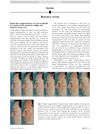 157 citations
,
December 2015 in “Journal of the American Academy of Dermatology”
157 citations
,
December 2015 in “Journal of the American Academy of Dermatology” A man with vitiligo and alopecia saw quick skin and hair improvement with ruxolitinib, but skin color gains were lost after stopping treatment.
1 citations
,
February 2025 in “Pediatric Dermatology” Tofacitinib helps hair regrow in some kids with severe alopecia areata, but more research is needed on long-term effects.
 5 citations
,
August 2018 in “PubMed”
5 citations
,
August 2018 in “PubMed” An 8-year-old with severe hair loss regrew all hair after six months of tofacitinib treatment.
July 2025 in “SKIN The Journal of Cutaneous Medicine” Ritlecitinib effectively improves hair regrowth and physician satisfaction in severe alopecia areata over time.
 63 citations
,
April 2018 in “Journal of the American Academy of Dermatology”
63 citations
,
April 2018 in “Journal of the American Academy of Dermatology” Topical JAK inhibitors may help treat some skin conditions but need more research.
 59 citations
,
June 2022 in “Frontiers in medicine”
59 citations
,
June 2022 in “Frontiers in medicine” There are still challenges in diagnosing and treating chronic skin diseases, but there is hope for future improvements.
 12 citations
,
June 2023 in “JAMA network open”
12 citations
,
June 2023 in “JAMA network open” JAK inhibitors effectively improve hair regrowth in alopecia areata with an acceptable safety profile.
 1 citations
,
January 2023 in “Portuguese Journal of Dermatology and Venereology”
1 citations
,
January 2023 in “Portuguese Journal of Dermatology and Venereology” JAK inhibitors effectively treat skin conditions and topical forms are safer.
 1 citations
,
September 2020 in “Cochrane library (CD-ROM)”
1 citations
,
September 2020 in “Cochrane library (CD-ROM)” The analysis aims to identify the most effective and safest treatments for alopecia areata.
 February 2021 in “Journal of pharmaceutical and biological sciences”
 No cure exists for alopecia areata, and treatments are personalized.
 October 2025 in “Editora Pasteur eBooks”
 Peptides improve skin health and treatments for hair loss and pregnancy-related skin issues are evolving.
2 citations
,
May 2020 in “JAAD case reports” Ruxolitinib can cause a delayed skin reaction on the nose.
March 2026 in “British Journal of Dermatology” Deucravacitinib did not significantly improve hair regrowth in alopecia areata patients.
 54 citations
,
September 2019 in “Journal of the European Academy of Dermatology and Venereology”
54 citations
,
September 2019 in “Journal of the European Academy of Dermatology and Venereology” Tofacitinib is somewhat effective for alopecia areata, but more research is needed on its safety and long-term effects.