 October 2024 in “SPIRE - Sciences Po Institutional REpository”
 Glypicans help hair follicle stem cells differentiate by interacting with specific receptors, influencing hair growth.
 April 2024 in “JMIR infodemiology”
 TikTok videos show that people with Lupus often discuss symptoms and their significant impact on mental health, face diagnostic delays, have mixed views on treatments, and feel isolated despite support.
 April 2024 in “Journal of pharmacy & pharmacognosy research”
 A compound from Calophyllum inophyllum L. leaf may help treat non-small cell lung cancer.
 January 2024 in “Theranostics”
 HDAC6 helps keep ovarian follicles dormant, extending female fertility.
 January 2024 in “Asthma Allergy Immunology”
 Innate lymphoid cells help us understand and manage allergic diseases better.

Pomegranate is beneficial in various medical fields.
Lupus patients on TikTok feel isolated, face medical gaslighting, and prefer non-drug treatments.
 June 2023 in “Dermatology and therapy”
 The Middle East and Africa need better data, treatment consensus, and support for Alopecia Areata.
 May 2023 in “Jurnal farmasi sains dan praktis”
 The hair tonic with cinnamon oil and coconut oil was stable and caused very mild irritation.
A new system for classifying curly hair types using precise measurements can improve hair care products and cultural inclusion.
 December 2022 in “theses.fr (ABES)”
 Microplastics in the Lebanese Mediterranean carry harmful pollutants, posing environmental and health risks.
New methods to classify curly hair types were developed based on shape and strength.

Men's skincare products with essential oils can improve skin health and may increase male interest in cosmetics.
 March 2020 in “The Journal of animal and plant sciences/The JAPS”
 Aloe Vera helps wounds heal faster and promotes hair growth.
 October 2018 in “InTech eBooks”
 The gene Foxn1 is important for hair growth, and understanding it may lead to new alopecia treatments.
 April 2015 in “Andrology”
 HNG may help prevent the negative effects of chemotherapy on sperm production and white blood cell counts.
 September 2014 in “Springer eBooks”
 Men and women experience skin aging differently due to changes in sex hormone levels with age.
Human scalp hair follicles have PGE2 and its receptors, which might affect hair growth.
 February 2010 in “ePrints Soton (University of Southampton)”
 Male sexual differentiation is regulated independently, while female differentiation occurs in an androgenic environment, affecting conditions like congenital adrenal hyperplasia.
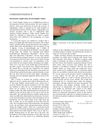 May 2002 in “British Journal of Dermatology”
 A pregnant woman's skin condition improved after giving birth, possibly due to high estrogen levels during pregnancy.
 June 1998 in “Biomedicine & Pharmacotherapy”
 Medical treatments like chemotherapy and radiotherapy can harm sperm production, so freezing sperm before treatment is important for men who want children later.
 June 2026 in “Institutional Repositories DataBase (IRDB)”
 Crickets have genetically controlled hair plates that help them sense and move their antennae.
 June 2026 in “International Journal of Bioprinting”
 3D bioprinting shows promise for skin regeneration but needs more development to fully replicate natural skin.
 April 2026 in “Communications Biology”
 The development of breeding tubercles in male zebrafish relies on a specific enzyme that processes hormones.
 April 2026 in “Cellular and Molecular Immunology”
 SPT6 prevents excessive skin inflammation by blocking a feedback loop.
 January 2026 in “RSC Advances”
 Epristeride's metabolism in zebrafish helps improve doping detection methods.

Plakophilin 1 helps control skin cell immune responses to prevent excessive inflammation.
 November 2025 in “Biological Trace Element Research”
 Hair mineral analysis doesn't reliably show blood mineral levels but may help track long-term mineral trends.
A machine-learning test using hair can help detect autism early in infants.
 October 2025 in “HAL (Le Centre pour la Communication Scientifique Directe)”
 Variegated coat color in cats is linked to the Silver locus.