54 citations
,
September 1999 in “PubMed” K15 staining helps distinguish basal cell carcinoma from trichoepithelioma.
31 citations
,
February 2007 in “Molecular Carcinogenesis” Overexpressing ATF3 in mice's epithelial cells may lead to oral cancer.
 27 citations
,
December 2014 in “Current problems in dermatology”
27 citations
,
December 2014 in “Current problems in dermatology” Photodynamic therapy is the preferred treatment for skin precancer due to its effectiveness and safety.
 27 citations
,
July 2015 in “International Journal of Dermatology”
27 citations
,
July 2015 in “International Journal of Dermatology” Every elderly patient had at least one skin condition, often linked to other diseases, highlighting the need for integrated skin and general healthcare in the elderly.
 8 citations
,
June 2014 in “PubMed”
8 citations
,
June 2014 in “PubMed” Men are more likely to have larger basal cell carcinomas and squamous cell carcinomas, while women have more superficial basal cell carcinomas and tumors on their legs and central face.
3 citations
,
April 2019 in “Stem cells international” Markers CRABP1, Nestin, and Ephrin B2 are present in skin cancer environments and may influence their development.
 3 citations
,
April 2016 in “Dermatologic Surgery”
3 citations
,
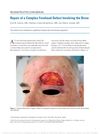
April 2016 in “Dermatologic Surgery” A man's forehead and eyebrow were successfully reconstructed with a skin and hair graft that matched his other eyebrow, without needing frequent trimming.
 43 citations
,
February 2008 in “Journal of cutaneous pathology”
43 citations
,
February 2008 in “Journal of cutaneous pathology” Melanocyte precursors in human fetal skin follow a specific migration pattern and some remain in the skin's deeper layers.
 18 citations
,
August 2021 in “PLoS ONE”
18 citations
,
August 2021 in “PLoS ONE” Melanocyte progenitor cells are found in human fat tissue and can become mature melanocytes, which may help treat skin issues.
2 citations
,
February 2021 in “Developmental Cell” Middle-aged skin shows aging signs, and quercetin might help delay them.
 April 2017 in “Australasian Journal of Dermatology”
 Most patients with Lichen planopilaris improved with acitretin, but treatments often didn't work well; preventing infection in skin surgery is important, and bupivacaine might be a better anesthetic.
176 citations
,
February 2006 in “Cancer Research” Patched1 helps prevent tumors by controlling cell growth.
 156 citations
,
August 2016 in “Journal of controlled release”
156 citations
,
August 2016 in “Journal of controlled release” Tight junctions are key for skin protection and controlling what gets absorbed or passes through the skin.
 69 citations
,
August 1999 in “Developmental biology”
69 citations
,
August 1999 in “Developmental biology” The nude gene causes skin cell overgrowth and improper development, leading to hair and urinary issues.
 39 citations
,
March 2008 in “Journal of biological chemistry/The Journal of biological chemistry”
39 citations
,
March 2008 in “Journal of biological chemistry/The Journal of biological chemistry” GLI2 increases follistatin production in human skin cells.
 9 citations
,
July 2010 in “British Journal of Dermatology”
9 citations
,
July 2010 in “British Journal of Dermatology” The document suggests a rare skin condition might be caused by a genetic phenomenon.
 7 citations
,
November 2014 in “Histochemistry and Cell Biology”
7 citations
,
November 2014 in “Histochemistry and Cell Biology” The we/we wal/wal mice have defects in hair growth and skin layer formation, causing hair loss, useful for understanding alopecia.
 1 citations
,
January 2021
1 citations
,
January 2021 CD4+ skin cells may be precursors to basal cell carcinoma.
 1 citations
,
January 2016 in “Elsevier eBooks”
1 citations
,
January 2016 in “Elsevier eBooks” The document concludes that identifying the specific cells where skin cancers begin is important for creating better prevention, detection, and treatment methods.
 359 citations
,
September 2017 in “European Journal of Epidemiology”
359 citations
,
September 2017 in “European Journal of Epidemiology” The Rotterdam Study updated findings on elderly health, focusing on heart disease, genetics, lifestyle effects, and disease understanding.
 249 citations
,
April 2002 in “The FASEB journal”
249 citations
,
April 2002 in “The FASEB journal” Human skin can make serotonin and melatonin.
 86 citations
,
October 2017 in “Clinics in Dermatology”
86 citations
,
October 2017 in “Clinics in Dermatology” Older adults have a high rate of skin cancers like basal cell carcinoma and melanoma, mainly due to UV exposure and age.
 75 citations
,
October 2016 in “Genes & Development”
75 citations
,
October 2016 in “Genes & Development” Cells in hair follicles help create fat cells in the skin by releasing a protein called Sonic Hedgehog.
 70 citations
,
February 2015 in “Expert Opinion on Drug Discovery”
70 citations
,
February 2015 in “Expert Opinion on Drug Discovery” Topical drugs and near-infrared light therapy show potential for treating alopecia.
 65 citations
,
January 2017 in “Postępy Dermatologii i Alergologii”
65 citations
,
January 2017 in “Postępy Dermatologii i Alergologii” High-frequency ultrasonography is a useful but underused tool in dermatology for assessing skin cancers, monitoring diseases, and evaluating treatments.
 23 citations
,
June 2015 in “Journal of Tissue Engineering and Regenerative Medicine”
23 citations
,
June 2015 in “Journal of Tissue Engineering and Regenerative Medicine” Wnt1a helps keep cells that can grow hair effective for potential hair loss treatments.
 19 citations
,
July 2011 in “Microscopy and Microanalysis”
19 citations
,
July 2011 in “Microscopy and Microanalysis” The hair follicle bulge is an important area for adult stem cells involved in hair growth and repair, with potential for medical use needing more research.
 11 citations
,
March 2014 in “Journal of Investigative Dermatology”
11 citations
,
March 2014 in “Journal of Investigative Dermatology” Genetic mutation and carcinogen treatment are both needed for skin cancer to develop in these specific mice.
 11 citations
,
April 2013 in “SpringerPlus”
11 citations
,
April 2013 in “SpringerPlus” Human skin's melanocytes respond to light by changing shape, producing pigments and hormones, which may affect sleep patterns.
 10 citations
,
May 2009 in “Journal of The American Academy of Dermatology”
10 citations
,
May 2009 in “Journal of The American Academy of Dermatology” Technique effectively reconstructs large scalp defects with minimal hair loss and visible scarring.