42 citations
,
January 2003 in “International Journal of Gynecological Pathology” PEH in vulvar LS is common and needs careful diagnosis to avoid confusion with cancer.
July 2019 in “Zenodo (CERN European Organization for Nuclear Research)” Follicular mucinosis in a 15-year-old is usually harmless but needs monitoring for possible lymphoma.
 2 citations
,
August 2012 in “Journal of the American Academy of Dermatology”
2 citations
,
August 2012 in “Journal of the American Academy of Dermatology” Two patients with the same genetic mutation had both blistering skin and easily pulled out hair.
135 citations
,
November 1987 in “Differentiation” Outer root sheath cells consistently express certain keratins influenced by their environment.
8 citations
,
October 2024 in “Developmental Cell” 2 citations
,
May 1991 in “PubMed” Nevus comedonicus is a rare skin condition causing dark bumps, treatable with retinoic acid or surgery.
6 citations
,
January 2015 in “Indian Dermatology Online Journal” PEODDN is a rare skin disorder with limited treatment options, best treated with laser therapy.
 1 citations
,
November 2017 in “The journal of investigative dermatology/Journal of investigative dermatology”
1 citations
,
November 2017 in “The journal of investigative dermatology/Journal of investigative dermatology” Mohs micrographic surgery is effective for treating basal cell carcinoma on the eyelid, while radiotherapy has higher recurrence rates, and topical vitamin D3 may reduce and delay BCC formation in mice.
September 2023 in “Journal of the American Academy of Dermatology” BAP1 mutations are rare in pediatric melanocytic tumors and may develop later in life.
5 citations
,
February 2015 in “Ophthalmic plastic and reconstructive surgery” Two new types of eyelid cysts were identified, each with different treatment challenges.
1 citations
,
May 2024 in “Dermatology Online Journal” Scalp pemphigus vulgaris can be effectively treated with low-dose prednisone and triamcinolone.
7 citations
,
November 1997 in “Reproduction Fertility and Development” Epidermal growth factor disrupts hair and gland formation in bandicoots.
Spiny keratoderma is a rare skin condition with small spines on palms and soles, possibly linked to abnormal hair formation.
September 2024 in “The Journal of Dermatology” Nevus comedonicus can sometimes grow terminal hair, challenging previous beliefs.
154 citations
,
October 1996 in “Proceedings of the National Academy of Sciences of the United States of America” Estrogen affects hair growth and skin cell multiplication.
10 citations
,
February 2012 in “Journal of Clinical Investigation” Advancements in skin and hair biology improve dermatology care and cosmetic treatments.
Keratinocytes grew and migrated into hair follicle areas but disappeared after 15-20 days.
25 citations
,
October 1975 in “Journal of Cutaneous Pathology” Hair growth in alopecia areata is hindered due to impaired cell activity in the surrounding tissue.
 November 2022 in “Journal of Investigative Dermatology”
 Scientists found a new type of skin cell that could help with skin repair and these cells work better with a certain protein.
July 2022 in “British Journal of Dermatology” 54 citations
,
May 1999 in “Journal of Cutaneous Pathology” Apocrine type cutaneous mixed tumors often resemble hair follicles, sebaceous glands, and apocrine glands.
335 citations
,
March 2004 in “Development” Temporary activation of β-catenin can create new hair follicles, but ongoing activation is needed to keep hair follicle tumors.
103 citations
,
December 1986 in “Journal of Investigative Dermatology”  6 citations
,
May 2015 in “Veterinary Clinics of North America: Equine Practice”
6 citations
,
May 2015 in “Veterinary Clinics of North America: Equine Practice” Horse skin diseases are complex to manage and often require a biopsy for accurate diagnosis and treatment.

The treatment was ineffective in humans.
 1 citations
,
March 2024 in “Ophthalmic Plastic and Reconstructive Surgery”
1 citations
,
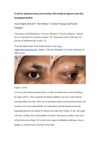
March 2024 in “Ophthalmic Plastic and Reconstructive Surgery” A pilomatrixoma in the eyebrow can cause hair loss and skin lightening.
31 citations
,
January 2007 in “Journal of the American Academy of Dermatology” A rare skin growth was successfully removed without recurrence after one year.
10 citations
,
April 2009 in “Oncology Reports” Bald-headed individuals may need early non-invasive detection for skin changes linked to cancer risk.
 November 2023 in “npj regenerative medicine”
 Skin spheroids with both outer and inner layers are key for regrowing skin patterns and hair.
2 citations
,
January 1989 in “The Nishinihon Journal of Dermatology” Seborrheic keratosis likely originates from the upper regions of hair follicles.