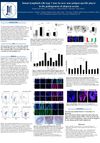
Innate lymphoid cells type 1 may contribute to alopecia areata by damaging hair follicles.
14 citations
,
January 2021 in “Stem cell research & therapy” Human skin cells with stem-like features can help create new hair follicles and sebaceous glands when combined with other cells.
February 2020 in “Journal of chemical neuroanatomy” Researchers found a way to make rat hair follicle cells start turning into motor neuron-like cells, but couldn't fully turn them into working motor neurons.
1 citations
,
October 2021 in “Journal of Investigative Dermatology”  19 citations
,
February 2016 in “Journal of The American Academy of Dermatology”
19 citations
,
February 2016 in “Journal of The American Academy of Dermatology” CD3+ T-cell presence is a reliable marker to tell apart alopecia areata from pattern hair loss.
 November 2020 in “Journal of The American Academy of Dermatology”
 Certain immune markers may predict chemotherapy response in mesothelioma, and nivolumab is a tolerable and effective treatment for advanced non-small cell lung cancer.
8 citations
,
March 2009 in “Differentiation” Adult vibrissa follicle stem cells can regenerate hair follicles, glands, and skin.
November 2025 in “Journal of Investigative Dermatology” Skin-associated cartilage cells can influence hair growth by altering specific signaling pathways.
January 2003 in “Linchuang pifuke zazhi” A benign skin tumor was removed from a man's leg, and it didn't come back after 9 months.
 November 2024 in “The Journal of Cell Biology”
 Basement membrane changes are crucial for hair follicle development.
 11 citations
,
March 2014 in “Journal of Investigative Dermatology”
11 citations
,
March 2014 in “Journal of Investigative Dermatology” Genetic mutation and carcinogen treatment are both needed for skin cancer to develop in these specific mice.
July 2024 in “Journal of Investigative Dermatology” 23 citations
,
July 2023 in “Proceedings of the National Academy of Sciences” CD8+ T cells drive alopecia areata, while regulatory T cells are protective.
24 citations
,
January 1985 in “Dermatology” Higher levels of certain immune cells in hair follicles may contribute to alopecia areata.
 April 2023 in “Journal of Investigative Dermatology”
 Hair growth is driven by cells that move and change like a conveyor belt.
17 citations
,
May 2022 in “Cells and Development”  January 2007 in “The Year book of dermatology”
 Researchers successfully isolated and identified key stem cells in human hair follicles, which could help develop new skin and hair treatments.
233 citations
,
October 2004 in “Differentiation” Stem cells are in deep skin layers, while differentiating cells are in shallow layers.
November 2024 in “Journal of Investigative Dermatology” Scalp hair follicle cells help protect and heal skin in certain skin conditions.
109 citations
,
April 1997 in “Archives of Dermatological Research” Mast cell and nerve fiber interactions in mouse skin change with the hair cycle.
3 citations
,
August 2022 in “International Journal of Molecular Sciences” TSC2-/meth cells can cause skin lesions, hair growth, and lung issues, and may be treated with chromatin remodeling agents.
421 citations
,
September 2003 in “Development” Stem cell behavior varies with stimuli, and lineage changes can happen without affecting stem cell division.
 August 2023 in “bioRxiv (Cold Spring Harbor Laboratory)”
 The research found that specific stem cells maintain skin gland openings and that disrupting their activity can cause blockages or early cancer signs, indicating a need for targeted treatments.
 35 citations
,
May 2021 in “Nature communications”
35 citations
,
May 2021 in “Nature communications” The skin's basement membrane has specialized structures and molecules for different tissue interactions, important for hair growth and attachment.
48 citations
,
September 2011 in “British Journal of Dermatology” Epigenetic changes in blood cells may contribute to alopecia areata.
14 citations
,
March 2015 in “Stem Cell Research & Therapy” ABCG2 protein marks stem-like skin cells in human epidermis.
 10 citations
,
May 2016 in “Journal of Dermatological Science”
10 citations
,
May 2016 in “Journal of Dermatological Science” PDGF-BB helps young melanocytes grow but stops mature ones from growing, and it makes melanocytes more specialized.
277 citations
,
October 1982 in “The Journal of Cell Biology” Basal-cell epitheliomas and the pilosebaceous tract share a unique keratin, distinguishing them from other skin areas.
 13 citations
,
October 2020 in “Journal of Neural Transmission”
13 citations
,
October 2020 in “Journal of Neural Transmission” CD34-positive cells help repair and form new blood vessels in salivary glands after radiation.
1 citations
,
December 2023 in “JAAD International” Mast cells may significantly contribute to central centrifugal cicatricial alopecia.