1 citations
,
January 2009 in “Journal of Dermatology and Venereology” Cells from the upper hair follicle grow more actively, suggesting stem cells may be located there.
June 2021 in “Faculty Opinions – Post-Publication Peer Review of the Biomedical Literature” The skin basement membrane is specialized for different tissue interactions, important for hair growth and attachment.
18 citations
,
December 1992 in “Journal of Cutaneous Pathology” Skin tumors and normal skin structures have different lectin-binding patterns.
December 2021 in “Figshare” BBS7 is essential for healthy gums and teeth by supporting cell function and blood flow.
157 citations
,
October 2002 in “Journal of Cutaneous Pathology” p63 may influence skin cancer development and cell differentiation.
May 2023 in “bioRxiv (Cold Spring Harbor Laboratory)” The research mapped diverse cell types in mouse lacrimal glands, aiding understanding of gland biology and diseases.
 44 citations
,
April 2017 in “Genes & development”
44 citations
,
April 2017 in “Genes & development” Scientists found cells in hair that are key for growth and color.
January 2008 in “Infoscience (Ecole Polytechnique Fédérale de Lausanne)” Thymic epithelial cells may be related to skin stem cells.
 19 citations
,
December 2006 in “Archives of dermatology”
19 citations
,
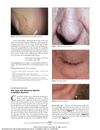
December 2006 in “Archives of dermatology” Hair casts and cutaneous spicules can be signs of multiple myeloma.
 2 citations
,
November 1998 in “Journal of The European Academy of Dermatology and Venereology”
2 citations
,
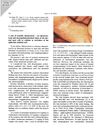
November 1998 in “Journal of The European Academy of Dermatology and Venereology” Prednisone reduces organ mast cell infiltration but does not alter the abnormal appearance of mast cells in systemic mastocytosis.
16 citations
,
February 1999 in “American Journal of Dermatopathology” Lymphocytes may hinder hair stem cells, causing hair loss without scarring.
 23 citations
,
July 2007 in “The journal of investigative dermatology/Journal of investigative dermatology”
23 citations
,
July 2007 in “The journal of investigative dermatology/Journal of investigative dermatology” Hair follicle bulge cells don't help skin regrow after glucocorticoid damage; interfollicular epidermis cells do.
April 2018 in “Journal of Investigative Dermatology” Differentiated fibroblasts regenerate hair follicles better than undifferentiated ones.
18 citations
,
February 2001 in “Der Hautarzt” A woman with myotonic dystrophy had multiple skin tumors on her scalp, suggesting a genetic link.
 April 2011 in “Faculty Opinions – Post-Publication Peer Review of the Biomedical Literature”
 Bald men with male pattern baldness still have hair stem cells, but lack certain cells needed for hair growth.
 January 2011 in “Faculty Opinions – Post-Publication Peer Review of the Biomedical Literature”
 Bald men with male pattern baldness still have hair stem cells, but lack certain cells needed for hair growth.
14 citations
,
July 2004 in “Australasian Journal of Dermatology” Follicular mycosis fungoides can look like a B-cell lymphoma, making diagnosis difficult.
February 2026 in “Journal of Allergy and Clinical Immunology” Alopecia areata involves immune system issues and specific cell types that disrupt hair growth, leading to hair loss.
9 citations
,
April 2010 in “The Journal of Dermatology” Nestin helps identify certain melanoma cells in nodular melanoma.
July 2022 in “Journal of Investigative Dermatology” Arg1+ macrophages may play a role in Alopecia Areata, offering new treatment targets.
4 citations
,
January 2011 in “Cell stem cell” Hair follicle stem cells can return to their original niche and help regenerate hair.
 April 2025 in “Cellular and Molecular Biology”
 Human dermal stem/progenitor cells can divide and differentiate more than hair follicle dermal papilla cells.
October 2022 in “bioRxiv (Cold Spring Harbor Laboratory)” Small changes in cell division and differentiation can activate blood progenitors.
 64 citations
,
July 1997 in “Journal of The American Academy of Dermatology”
64 citations
,
July 1997 in “Journal of The American Academy of Dermatology” Finding eosinophils near hair bulbs helps diagnose alopecia areata.
23 citations
,
February 2003 in “British Journal of Dermatology” A rare type of skin lymphoma was identified, affecting hair follicles and sweat glands.
February 2019 in “American Journal of Dermatopathology” A rare case showed basal cell carcinoma and leiomyosarcoma coexisting, needing careful diagnosis and treatment.
47 citations
,
February 2014 in “Journal of Cutaneous Pathology” Matrical tumors share a common growth mechanism involving the Wnt pathway and consistent PHLDA1 expression.
 April 2023 in “The journal of investigative dermatology/Journal of investigative dermatology”
 People with alopecia areata have fewer IL-10 producing immune cells, which might contribute to the condition.
1 citations
,
July 2024 in “Journal of Investigative Dermatology” Immune cells boost stem cell activity in hairy moles, causing more hair growth.
 26 citations
,
August 2019 in “Stem Cell Research & Therapy”
26 citations
,
August 2019 in “Stem Cell Research & Therapy” PBX1 helps hair stem cells grow and change by turning on certain cell signals and preventing cell death, which may be useful for hair regrowth treatments.