1 citations
,
December 2023 in “Molecules/Molecules online/Molecules annual” JAK inhibitors show promise for treating various skin diseases.
24 citations
,
December 2020 in “Kardiologiia” Bromhexine and spironolactone together reduced COVID-19 symptoms and hospitalization time without side effects.
May 1961 in “Tumori Journal” Vitamin A treatment reduced abnormal cell growth and improved skin conditions in rats with tumors.
 1 citations
,
February 2021 in “Farmacja Polska”
1 citations
,
February 2021 in “Farmacja Polska” Janus kinase inhibitors show promise in treating autoimmune skin diseases.
Alkylating agents can kill cancer cells but may cause skin and allergic reactions.
January 2000 in “Europe PMC (PubMed Central)”  November 2023 in “Aktualʹnì problemi sučasnoï medicini”
 The guidelines suggest using various treatments, including antidepressants and steroids, for alopecia areata and discuss the condition's genetic and immune aspects.
 12 citations
,
December 2018 in “Clinical Ophthalmology”
12 citations
,
December 2018 in “Clinical Ophthalmology” Latanoprostene bunod effectively lowers eye pressure and is better tolerated than other glaucoma medications.
18 citations
,
September 2003 in “International Journal of Cancer” EBV infection increases a specific keratin variant in carcinoma cells, possibly affecting cell structure and cancer progression.
May 2021 in “FEBS open bio” 10 citations
,
December 2021 in “Frontiers in Cell and Developmental Biology” BBS7 is essential for healthy gums by supporting cell function and blood flow.
July 2024 in “Journal of Investigative Dermatology” DS-2325a is safe and well-tolerated, supporting further development for Netherton Syndrome treatment.
2 citations
,
September 2021 in “JAAD case reports” A man with a weakened immune system was diagnosed with a rare skin condition called trichodysplasia spinulosa using skin examination techniques.
 February 2013 in “Journal of The American Academy of Dermatology”
 Hair loss is a common but often unreported side effect of cancer treatments, especially for breast and prostate cancers.
 136 citations
,
April 2013 in “Clinical Cancer Research”
136 citations
,
April 2013 in “Clinical Cancer Research” The drug IPI-926 is safe at 160 mg daily and may help treat certain tumors, especially basal cell carcinoma.
February 2023 in “Reactions Weekly”  26 citations
,
January 2019 in “Expert Opinion on Investigational Drugs”
26 citations
,
January 2019 in “Expert Opinion on Investigational Drugs” New treatments for hair loss show promise, but more research is needed to confirm their safety and effectiveness.
 January 2024 in “Wiadomości Lekarskie”
 Bisphosphonate therapy can cause jawbone necrosis, so dental care is crucial before and during treatment.
August 2022 in “Journal of Investigative Dermatology” Baricitinib reduces inflammation and mitochondrial damage in skin cells.
 3 citations
,
August 2025 in “Frontiers in Pharmacology”
3 citations
,
August 2025 in “Frontiers in Pharmacology” Oral JAK inhibitors are safe for alopecia areata, but baricitinib may cause more acne and infections.
76 citations
,
January 2010 in “Journal of bone and mineral metabolism” 4 citations
,
August 2022 in “Aesthetic Surgery Journal” Botulinum toxin A injections reduce scalp oil for up to 3 months.
July 2022 in “British Journal of Dermatology” 1 citations
,
February 2025 in “International Journal of Dermatology” Abrocitinib may effectively treat Lichen Planopilaris.
December 2004 in “PLoS ONE” The Foxn1(-/-) phenotype disrupts hair growth and affects skin stem cells.
14 citations
,
April 1976 in “Journal of Cutaneous Pathology” A calcified nodule on a boy's face came from hair follicles and expelled calcium through the skin.
 89 citations
,
February 1993 in “Journal of Medicinal Chemistry”
89 citations
,
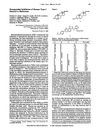
February 1993 in “Journal of Medicinal Chemistry” New compounds called benzoquinolinones may treat conditions linked to excess DHT.
January 2005 in “Australian viticulture” Different tissues in cows have different types of cytokeratins.
September 2023 in “Journal of the American Academy of Dermatology” Including special area involvement helps identify more psoriasis patients who may need systemic treatment.
April 2019 in “Journal of Investigative Dermatology” Y27632 increases cell growth through EGFR signaling, not ROCK1/2.