Search
for
Sort by
Research
660-690 / 1000+ results
research scRNA+TCR-seq Reveals the Proportion and Characteristics of Dual TCR Treg Cells in Mouse Lymphoid and Non-lymphoid Tissues
Dual TCR Treg cells are common in mouse tissues and vary by location.
research Etoposide sensitizes CT26 colorectal adenocarcinoma to radiation therapy in BALB/c mice
Etoposide makes radiation therapy more effective against tumors without major side effects.

research 707 Chromatin remodeler Lymphoid-specific helicase (Lsh) is a critical determinant controlling postnatal epidermal growth, differentiation and response to injury
Lymphoid-specific helicase (Lsh) is crucial for skin growth, change, and healing after injury.

research Baricitinib-loaded EVs promote alopecia areata mouse hair regrowth by reducing JAK-STAT-mediated inflammation and promoting hair follicle regeneration
Baricitinib-loaded EVs help hair regrowth in alopecia areata by reducing inflammation and promoting hair follicle regeneration.

research Dormant tumor cells in ret transgenic mouse melanoma model and their interaction with memory T cells
Dormant melanoma cells in mice interact minimally with memory T cells due to a suppressive tumor environment.
research Congenital Hypotrichosis in Japanese White Strain (JW-NIBS) Rabbits.
A single recessive gene causes sparse hair in certain Japanese White rabbits.
research Multiple endocrine defects in adult-onset Sprouty1/2/4 triple knockout mice
Removing Sprouty genes in mice causes various hormone-related issues but does not increase cancer risk by one year of age.

research Ptch2 is a Potential Regulator of Mesenchymal Stem Cells
Ptch2 plays a key role in controlling stem cell function and the ability to regenerate after birth.
research Hypomorphic mutation in the hairless gene accelerates pruritic atopic skin caused by feeding a special diet to mice
A mutation in the hairless gene speeds up severe itchy skin in mice on a special diet.
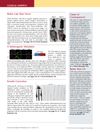
research Clinical Snippets
New findings suggest potential treatments for melanoma, hyperpigmentation, hair defects, and multiple sclerosis, and show skin microbiome changes don't cause atopic dermatitis.
research TREATMENT SUCCESS IN THREE ANDEAN BEARS (TREMARCTOS ORNATUS) WITH ALOPECIA SYNDROME USING OCLACITINIB MALEATE (APOQUEL®)
Oclacitinib maleate successfully treated alopecia in Andean bears.
research 572 Development of immunotherapies targeting TCR-Vβ2 for treatment of cutaneous T cell lymphoma
Targeting TCR-Vβ2 in cutaneous T cell lymphoma shows promise for safer, more specific treatment.

research Pten loss in Lgr5+ hair follicle stem cells promotes SCC development
Loss of Pten in certain hair follicle stem cells increases skin cancer risk.
research Abstract LB-039: Chronic inflammation-mediated contribution of bone marrow-derived epithelial cells and hair follicle stem cells to development of cutaneous neoplasms
Bone marrow-derived cells contribute to skin tumors, suggesting new treatment targets for non-melanoma skin cancers.
research Epigen Transgenic Mice Develop Enlarged Sebaceous Glands
Overexpressing the epigen gene in mice leads to enlarged sebaceous glands and greasy fur.
research Histopathological Analysis on keratin2-6 g Expression in Hair Mutant Mouse Hague
Keratin2-6g is crucial for hair follicle development, with mutations causing cell degeneration and vacuolation.
research 042 Characterization of Pathogenic CD8+ T Cells in an adoptive transfer Mouse Model of Alopecia Areata in C3H/HeJ mice
Certain CD8+ T cells attack hair follicles in alopecia areata, suggesting they could be targeted for treatment.
research Visualising Androgen Receptor Activity in Male and Female Mice
Androgen receptors are active in many tissues of both male and female mice, not just reproductive organs.
research A subpopulation of itch‐sensing neurons marked by Ret and somatostatin expression
Scientists found a specific group of itch-sensing nerve cells in mice important for feeling itch but not for sensing heat or touch.
research Le mélanome malin bilatéral de l'uvée
Apoptosis in hair follicles spreads through cell death signals, with stem cells slowing the process.
research Transgenic mice overexpressing CD109 in the epidermis display decreased inflammation and granulation tissue and improved collagen architecture during wound healing
Mice genetically modified to produce more CD109 in their skin had less inflammation and better healing with less scarring.
research Distinguishing Mouse Strains by Proteomic Analysis of Pelage Hair
Proteomic analysis can identify genetic differences in mouse hair, helping understand hair defects and variations.
research FPRL1 Receptor Agonist Peptides Prevent Etoposide-Induced Alopecia in Neonatal Rats
Certain peptides can prevent hair loss in young rats caused by a cancer drug.
research Three cDNA sequences of mouse type I keratins. Cellular localization of the mRNAs in normal and hyperproliferative tissues.
Different keratins have unique expression patterns in mouse skin cells.

research Conditional Activin Receptor Type 1B (Acvr1b) Knockout Mice Reveal Hair Loss Abnormality
Disrupting Acvr1b in mice causes severe hair loss and thicker skin.
research Stimulation of ectodermal organ development by Ectodysplasin-A1
Ectodysplasin-A1 is crucial for developing hair, teeth, and glands.

research 1421 Primary cutaneous diffuse large B-cell lymphoma–leg type masquerading as a mucocele
An elderly woman's upper lip lump, thought to be a mucocele, was actually a rare type of lymphoma usually found on legs, treated successfully with chemotherapy and radiation.
research Neonatal ichthyosis-sclerosing cholangitis syndrome caused by a novel CLDN1 mutation: a case report and literature review
A novel CLDN1 mutation in a 2-month-old with NISCH showed improvement with symptom management.
research Buschke-Ollendorff syndrome
Buschke-Ollendorff syndrome is a rare genetic disorder causing skin and bone changes, with some cases also showing ADHD or developmental delays.