6 citations
,
December 2024 in “F1000Research” Fibroblast and immune cell interactions affect tissue repair and fibrosis.
166 citations
,
September 2011 in “The Journal of Cell Biology” p63 controls Satb1 to help skin develop properly.
475 citations
,
October 2006 in “Proceedings of the National Academy of Sciences” Folliculin helps regulate energy and nutrient sensing, impacting Birt–Hogg–Dubé syndrome.
56 citations
,
November 2003 in “Journal of Investigative Dermatology” MMP-19 may worsen skin diseases by affecting skin growth and inflammation.
RXR and RAR proteins in skin may help with cell growth, hair growth, and gland function.
 15 citations
,
April 2017 in “Cell Stem Cell”
15 citations
,
April 2017 in “Cell Stem Cell” Some brain cancer cells avoid immune system detection, and certain treatments could target this to slow their growth; also, certain fat cell precursors help regenerate hair and skin after injury.
136 citations
,
March 1998 in “Oncogene” Overexpression of E2F1 can lead to skin tumors and disrupt hair growth.
57 citations
,
January 1987 in “Journal of Biological Chemistry” Different keratins have unique expression patterns in mouse skin cells.
23 citations
,
February 2003 in “British Journal of Dermatology” A rare type of skin lymphoma was identified, affecting hair follicles and sweat glands.
November 2025 in “Cancer Cell International” Cancer-associated fibroblasts promote tumor growth in skin cancer.
5 citations
,
November 2005 in “Journal of Investigative Dermatology” 18 citations
,
January 2019 in “European journal of histochemistry” Cattle skin has leptin which might control skin and hair growth.
503 citations
,
May 2009 in “Cell stem cell” Lrig1 marks a unique group of stem cells in mouse skin that can become different skin cell types.
January 2007 in “Queen Mary Research Online (Queen Mary University of London)” GLI and EGF signalling affect Basal Cell Carcinoma development and could be therapeutic targets.
May 2014 in “The journal of immunology/The Journal of immunology” Early over-expression of FoxN1 harms immune and skin development.
5 citations
,
June 2015 in “The Journal of Dermatology” HTLV-1-associated lichenoid dermatitis (HALD) is linked to an immune response against HTLV-1-infected cells.
June 2023 in “bioRxiv (Cold Spring Harbor Laboratory)” Scientists created cell lines to study a genetic skin disorder using CRISPR technology.
 November 2022 in “Gigascience”
 A specific genetic deletion in goats affects cashmere yield and thickness.
May 2004 in “Journal of steroid biochemistry and molecular biology/The Journal of steroid biochemistry and molecular biology” Vitamin D affects Msx1 protein expression and may influence mineralized tissue health.
6 citations
,
February 2023 in “Genes” CUX1 boosts sheep hair cell growth and affects curl patterns.
1 citations
,
January 2025 in “Medicine” Targeting SOX proteins may improve cancer treatment by restoring immune function.
32 citations
,
August 2016 in “Science Signaling” Alopecia areata patients show unique protein activity patterns, suggesting imbalanced signaling pathways.

Understanding genetics is crucial for treating heart and skin diseases.
December 2010 in “OhioLink ETD Center (Ohio Library and Information Network)” Sry may regulate fatty acid metabolism and shows different expression levels in rat tissues.
 23 citations
,
June 2012 in “PLOS ONE”
23 citations
,
June 2012 in “PLOS ONE” KLF4 is important for maintaining skin stem cells and helps heal wounds.
 April 2018 in “Journal of Investigative Dermatology”
 Nonmelanoma skin cancers have higher levels of certain osteopontin variants than normal skin.
 11 citations
,
December 2010 in “Archives of Dermatology”
11 citations
,
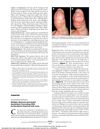
December 2010 in “Archives of Dermatology” A man with rare skin changes on his fingers was diagnosed with multiple myeloma-linked amyloidosis.
December 2009 in “Cancer Research” Over-expression of Sp2 can lead to cancer by preventing proper stem cell differentiation.
99 citations
,
March 2013 in “Journal of Investigative Dermatology” Mutations in the ABCB6 gene cause Dyschromatosis Universalis Hereditaria.
 1 citations
,
September 2020 in “Journal of Dermatological Science”
1 citations
,
September 2020 in “Journal of Dermatological Science” The gene LRRC15 is more active in balding areas of the scalp compared to non-balding areas.