11 citations
,
January 2009 in “Indian journal of dermatology, venereology, and leprology” DCPA is a chronic skin condition affecting the lower limbs, mainly in men, with unclear causes and treatments that often don't work well.
 15 citations
,
February 2015 in “Cell & tissue research/Cell and tissue research”
15 citations
,
February 2015 in “Cell & tissue research/Cell and tissue research” P-cadherin is important for hair growth and health, and its problems can cause hair and skin disorders.
13 citations
,
January 2010 in “PubMed”  51 citations
,
November 2011 in “British Journal of Dermatology”
51 citations
,
November 2011 in “British Journal of Dermatology” A gene called HDAC9 might be a new factor in male-pattern baldness.
November 2025 in “Cancer Cell International” Cancer-associated fibroblasts promote tumor growth in skin cancer.
July 2024 in “Journal of Investigative Dermatology” A new test helps find drugs to treat head and neck cancer by targeting c-Rel.
 July 2016 in “Journal of Investigative Dermatology”
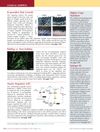
 R-spondin2 may help treat hair loss, gene differences could explain baldness, a peptide's regulation is linked to psoriasis, B-defensin gene copies may affect a skin condition's risk and severity, and potential markers and targets for alopecia areata were identified.

Ca²⁺-mediated protein citrullination controls cell growth in the CNS and may help treat brain tumors.

Baricitinib effectively promotes regrowth of eyebrows and eyelashes in alopecia areata patients.
475 citations
,
October 2006 in “Proceedings of the National Academy of Sciences” Folliculin helps regulate energy and nutrient sensing, impacting Birt–Hogg–Dubé syndrome.
Suppressing ODC activity reduces tumor growth in hair follicles.
October 2023 in “The Open Dermatology Journal” Baricitinib is effective for severe alopecia areata with manageable side effects, mainly upper respiratory infections.
 September 2024 in “Journal of the American Academy of Dermatology”
 Baricitinib maintains significant hair regrowth in severe alopecia areata over three years.
 37 citations
,
April 2010 in “FEBS Letters”
37 citations
,
April 2010 in “FEBS Letters” The study concludes that the EDA2R gene is activated by p53 during chemotherapy but is not necessary for chemotherapy-induced hair loss.
 1 citations
,
November 2001 in “Acc Current Journal Review”
1 citations
,
November 2001 in “Acc Current Journal Review” Electron Beam Tomography (EBT) is a useful additional test to stress testing for detecting heart disease.
Higher PD-1 levels mean fewer CD8+ T cells in alopecia areata hair follicles.
 April 2026 in “Zenodo (CERN European Organization for Nuclear Research)”
 The model improves understanding of androgen interactions by focusing on signal intensity and system capacity.
 April 2026 in “Zenodo (CERN European Organization for Nuclear Research)”
 The model improves understanding of androgen interactions by focusing on signal intensity and system capacity.
 September 2024 in “Journal of the American Academy of Dermatology”
 Baricitinib 4 mg is effective and safe for treating severe alopecia areata.
98 citations
,
March 2019 in “Frontiers in immunology” Damaging mutations in NFKB2 cause a severe and distinct form of primary immunodeficiency with early-onset and often ACTH-deficiency.
 September 2023 in “Journal of The American Academy of Dermatology”
 Baricitinib shows promise in treating severe hair loss.
January 2026 in “Biomaterials”  4 citations
,
September 2024 in “BMC Cancer”
4 citations
,
September 2024 in “BMC Cancer” Adding dutasteride to therapy may improve treatment for advanced salivary duct cancer.
 18 citations
,
August 2015 in “Biochemical and Biophysical Research Communications”
18 citations
,
August 2015 in “Biochemical and Biophysical Research Communications” XEDAR triggers a specific signaling pathway in cells.
14 citations
,
May 2022 in “Cell Reports” Basal cell carcinomas need extra mutations to grow from small to large tumors.
1 citations
,
March 2025 in “Journal of Society of Cosmetic Chemists of Japan” BECD helps straighten wavy hair by reducing undulation.
November 2024 in “Journal of Investigative Dermatology” Adrenomedullin 2 stops cell growth and causes cell death in human hair follicles.
February 2026 in “Chemical Engineering Journal” PCA hydrogel promotes hair growth by enhancing blood vessel formation and hair follicle stem cell activity.
May 2020 in “The journal of investigative dermatology/Journal of investigative dermatology” BIVV009 is a safe treatment for bullous pemphigoid that reduces C3 deposition without harmful side effects.
 December 2025 in “Cureus”
 Localized dystrophic epidermolysis bullosa (DEB) can lead to scarring alopecia, highlighting the need to recognize and address this complication.