 March 2021 in “International journal for research in applied science and engineering technology”
 Herbal hair dyes from tannin-rich plants are effective and safer than synthetic dyes.
 February 2021 in “PDEAS International Journal of Research in Ayurved and Allied Sciences”
 Ayurveda views hair health as a reflection of overall well-being and uses herbal treatments for hair care.
The document is a guide for practitioners to successfully perform hair transplants using the FUE method.
 June 2020 in “Journal of cosmetic medicine”
 Eyebrow transplants use hair from the scalp or pubic area, with blonde hair looking more natural, and can leave scars depending on the method used.
 June 2019 in “Journal of evolution of medical and dental sciences”
 Dermoscopy is useful for tracking alopecia areata treatment, with yellow dots and new vellus hairs being good indicators of hair regrowth.
 April 2019 in “The journal of investigative dermatology/Journal of investigative dermatology”
 DHT may reduce inflammation caused by certain bacteria in skin cells.
 February 2019 in “International journal of scientific reports”
 Unani medicine helped regrow eyebrow hair in 45 days.
 February 2019 in “Journal of Pakistan Association of Dermatologists”
 Combining eflornithine cream with IPL is more effective for removing unwanted facial hair in women.
 January 2019 in “The Annals of Thoracic Surgery”
 The document concludes that careful planning and execution of facial gender affirmation surgery after at least 12 months of hormonal therapy can improve the quality of life for transgender individuals.
 January 2019 in “Elsevier eBooks”
 Different hair disorders have specific treatments and outcomes, with some resolving on their own and others requiring medication or emotional support.
 January 2019 in “Clinical neuropharmacology”
 A girl's hair-pulling condition improved greatly after she started vitamin D treatment.
 October 2018 in “Springer eBooks”
 The document concludes that various hair disorders have different treatments, including medication, surgery, and addressing underlying causes.
 July 2018 in “Elsevier eBooks”
 Acne keloidalis nuchae is a chronic skin condition more common in African men, causing itchy or painful bumps and can lead to permanent hair loss if not treated early.
 July 2018 in “European Medical Journal”
 Fumaric acid esters, especially dimethylfumarate, improve psoriasis treatment.
 April 2018 in “The journal of investigative dermatology/Journal of investigative dermatology”
 Androgens increase growth factors in skin cells, which may lead to acne.
 January 2018 in “Springer eBooks”
 Gender affects hair and scalp characteristics, with differences in hormone responses, graying patterns, and trace metals.
 April 2017 in “Our Dermatology Online”
 A 22-year-old with multiple autoimmune diseases needs a multidisciplinary treatment approach.
 January 2017 in “Archives of clinical and biomedical research”
 Enhancing melanin's energy generation may help treat alopecia areata.
Better models and evaluation methods for alopecia areata are needed.
 July 2015 in “Cambridge University Press eBooks”
 The document concludes that treatments for female hair loss and excess body hair are available, but managing expectations is important.
 May 2015 in “Journal of Dermatological Science”
 Researchers found a new area on chromosome 2 linked to a genetic hair loss condition.
 March 2015 in “Aesthetic Surgery Journal”
 The book is a valuable, comprehensive guide on hair transplantation, recommended for surgeons and students, with minor areas for improvement.
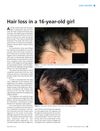 November 2014 in “Prescriber”
 The 16-year-old girl with hair loss was successfully treated for alopecia areata, leading to significant hair regrowth.
 August 2014 in “Journal of The American Academy of Dermatology”
 Obesity is linked to more severe hair loss in adult men and to excess hair growth, but its effects on hair conditions are complex and need more research.
 July 2014 in “Facial Plastic Surgery Clinics of North America”
 Cosmetic surgery should be personalized for different ethnic groups to ensure the best results and patient satisfaction.
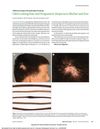 May 2014 in “JAMA Dermatology”
 Mother and son diagnosed with a rare genetic hair loss condition with no effective treatment.
 January 2014 in “Journal of Pigmentary Disorders”
 Women's hair gets thinner and grayer as they age, with treatments available for hair loss and graying.
 July 2013 in “Our Dermatology Online”
 Minoxidil 2% is more effective than tacrolimus 0.1% for hair regrowth in mild to moderate patchy hair loss, and combining both might give better results.
 December 2012 in “Journal of dermatological science”
 Langerhans cells and melanocytes migrate to the skin and hair follicles during early human development.
 April 2012 in “Informa Healthcare eBooks”
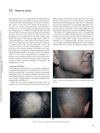
 Alopecia areata is a common autoimmune condition causing varying hair loss, diagnosed by specific patterns of inflammation around hair follicles, with several treatment options available.