 31 citations
,
September 2015 in “BJUI”
31 citations
,
September 2015 in “BJUI” Men with benign prostatic hyperplasia are more likely to have metabolic syndrome than those without it.
 30 citations
,
September 2016 in “BMJ”
30 citations
,
September 2016 in “BMJ” Taking 5-α reductase inhibitors for prostate enlargement or hair loss does not significantly raise the risk of erectile dysfunction.
 28 citations
,
August 2011 in “Journal of The American Academy of Dermatology”
28 citations
,
August 2011 in “Journal of The American Academy of Dermatology” Early hair loss may indicate prostate issues.
 22 citations
,
August 2014 in “Clinical endocrinology”
22 citations
,
August 2014 in “Clinical endocrinology” Taking finasteride for benign prostate hyperplasia may increase the risk of osteoporosis, especially at higher doses.
 21 citations
,
May 2021 in “Prostate Cancer and Prostatic Diseases”
21 citations
,
May 2021 in “Prostate Cancer and Prostatic Diseases” COVID-19 might worsen symptoms and progression of benign prostatic hyperplasia, possibly due to inflammation and metabolic disturbances in the prostate gland. More research is needed to confirm this.
 19 citations
,
October 2018 in “PLOS ONE”
19 citations
,
October 2018 in “PLOS ONE” 5 alpha-reductase inhibitors can slightly improve symptoms of enlarged prostate but have a high risk of sexual side effects.
 11 citations
,
January 1991 in “Urology”
11 citations
,
January 1991 in “Urology” New hormonal treatments for enlarged prostate show promise for safer, effective non-surgical options.
 7 citations
,
February 2016 in “Arab journal of urology”
7 citations
,
February 2016 in “Arab journal of urology” People with early hair loss may have a higher chance of enlarged prostate and metabolic syndrome, so they should be checked for urinary and metabolic issues.
 6 citations
,
March 2015 in “Journal of Endocrinological Investigation”
6 citations
,
March 2015 in “Journal of Endocrinological Investigation” Taking both finasteride and dutasteride for prostate issues may raise the risk of heart problems.
 4 citations
,
June 2025 in “Current Urology Reports”
4 citations
,
June 2025 in “Current Urology Reports” New BPH treatments have low sexual dysfunction risk but may not improve urinary symptoms as much as traditional surgery.
 2 citations
,
August 2025 in “Cureus”
2 citations
,
August 2025 in “Cureus” Taking finasteride before surgery reduces blood loss in prostate procedures.
 2 citations
,
May 2024 in “The World Journal of Men s Health”
2 citations
,
May 2024 in “The World Journal of Men s Health” Dutasteride and finasteride have similar effects on prostate cancer risk in BPH patients.
 1 citations
,
December 2023 in “Curēus”
1 citations
,
December 2023 in “Curēus” Tadalafil is effective for treating urinary symptoms in men with BPH.
 March 2025 in “MAEDICA – a Journal of Clinical Medicine”
 COVID-19 may worsen symptoms of benign prostatic hyperplasia (BPH).
 February 2023 in “Global Journal of Reproductive Medicine”
 Medical treatments for benign prostatic hyperplasia mainly relieve symptoms, while surgery is more effective but not always suitable for elderly patients.
 February 2021 in “Endocrinology, diabetes & metabolism case reports”
 A postmenopausal woman's excessive hair growth and hair loss were due to a non-cancerous ovarian condition, treated successfully with surgery.
 December 2017 in “Springer eBooks”
 Transplant patients often get skin problems, with treatments varying by condition.
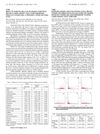 April 2013 in “The Journal of Urology”
 Higher CRP levels suggest chronic inflammation is linked to bladder-related urinary symptoms in men with enlarged prostates.
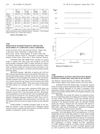 March 2013 in “The Journal of Urology”
 Hair loss is linked to higher prostate-specific antigen levels and urinary symptoms, likely due to age.
 1707 citations
,
December 2003 in “The New England Journal of Medicine”
1707 citations
,
December 2003 in “The New England Journal of Medicine” Combination therapy of doxazosin and finasteride safely and effectively reduces benign prostatic hyperplasia progression risk.
 67 citations
,
February 2015 in “Life Sciences”
67 citations
,
February 2015 in “Life Sciences” Some plant-based treatments can help with benign prostatic hyperplasia symptoms, but more research is needed to confirm their safety and effectiveness.
 43 citations
,
August 2016 in “Scientific Reports”
43 citations
,
August 2016 in “Scientific Reports” Cinnamomi cortex may help treat prostate enlargement by reducing related proteins.
 20 citations
,
January 2017 in “Nutrition Research and Practice”
20 citations
,
January 2017 in “Nutrition Research and Practice” Corn silk extract helps reduce prostate enlargement symptoms.
 8 citations
,
November 2015 in “Saudi Journal of Biological Sciences”
8 citations
,
November 2015 in “Saudi Journal of Biological Sciences” A mix of Panax ginseng and bee-pollen may help prevent prostate enlargement in rats.
 1 citations
,
June 2025 in “Scientific Reports”
1 citations
,
June 2025 in “Scientific Reports” Hydroxychloroquine may help treat benign prostatic hyperplasia by reducing inflammation and promoting cell death.
 May 2026 in “Global Translational Medicine”
 Clove leaf extract lowers bad cholesterol and increases good cholesterol while also increasing body weight.
 April 2025 in “Al-Rafidain Journal of Medical Sciences ( ISSN 2789-3219 )”
 Cuscuta reflexa extract may help treat benign prostatic hyperplasia by reducing inflammation and oxidative stress.
 29 citations
,
May 2018 in “Clinical Endocrinology”
29 citations
,
May 2018 in “Clinical Endocrinology” Recent genetic insights show that low-renin hypertension includes a range from essential hypertension to secondary or familial forms, affecting diagnosis and treatment.
 98 citations
,
August 2004 in “BJU international”
98 citations
,
August 2004 in “BJU international” Medications have become the main treatment for enlarged prostate symptoms, replacing surgery and watchful waiting.
 June 2025 in “Journal of Endocrinological Investigation”
 Adrenal disorders often cause high blood pressure in young people.