 May 2017 in “Journal of The American Academy of Dermatology”
 LED light helps human hair root cells grow and prevents them from dying by activating specific growth pathways.
 January 2017 in “Springer eBooks”
 The document explains various skin conditions and their treatments.
 January 2017 in “Qucosa (Saxon State and University Library Dresden)”
 Plasma protein binding significantly affects glucocorticosteroid concentration in blood, saliva, and hair.
 March 2013 in “Revista Brasileira de Cirurgia Plástica”
 Using platelet growth factors can improve hair density in transplants, especially for those with fine hair.
 November 2012 in “South African Family Practice”
 The article concludes that early treatment of alopecia is crucial to prevent permanent hair loss.

Use the least toxic, most specific treatments for skin diseases, considering side effects and individual patient needs.
 December 2011 in “Drug Research”
 The document shows the state of pharmaceutical patents as of 1999, focusing on treatments for various diseases.
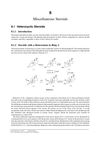
The document concludes that scientists created various steroids with different properties, including a more effective semi-synthetic vitamin D.
 January 2010 in “Elsevier eBooks”
 The document concludes that different types of hair loss have specific treatments, and early diagnosis is crucial for preventing permanent hair loss.
 January 2009 in “Bjog: An International Journal Of Obstetrics And Gynaecology”
 In 2009, there were new medical devices, treatments for gynecological conditions, updated health guidelines, and legal developments in women's health.
 January 2006 in “mediaTUM – the media and publications repository of the Technical University Munich (Technical University Munich)”
 Cattle hair isotope analysis can reveal diet and farm system characteristics.
 January 2006 in “Carl von Ossiezky University of Oldenburg”
 Unpigmented keratinocytes absorb substances faster, while melanocytes bind more strongly to melanin.
 January 2004 in “Side effects of drugs annual”
 Certain skin drugs and topical agents, including some natural extracts and fragrances, can cause allergic reactions. Some hair dyes and extensions, as well as minoxidil, a hair growth treatment, can also cause allergies. Botulinum toxin A can effectively reduce sweat but may have temporary side effects.
 October 2001 in “WORLD SCIENTIFIC eBooks”
 Many substances, including chemicals and metals, can cause skin reactions; careful handling and identification of allergens are crucial to prevent dermatitis.
 June 2001 in “Journal of The American Academy of Dermatology”
 The exam tested knowledge on various skin-related topics for CME credit.
 January 1997 in “Elsevier eBooks”
 The document explains how shampoos clean, rinses condition, one-step shampoos offer convenience, and hair growth promoters aim to prevent hair loss, emphasizing the importance of scientific evidence for their effectiveness.
 January 1990 in “Springer eBooks”
 Some chemicals can permanently or temporarily remove color from skin and hair, which can be distressing and is not well-regulated in cosmetics.
January 2024 in “Faculty of 1000 Research Ltd” Tazarotene gel may be more effective for acne than adapalene gel.
 January 1997 in “Medical Journal Armed Forces India”
 White petrolatum jelly is as effective as bacitracin for wound healing without increasing infection rates and can save money.
34 citations
,
April 1982 in “BMJ”  11 citations
,
August 2007 in “Bioorganic & Medicinal Chemistry Letters”
11 citations
,
August 2007 in “Bioorganic & Medicinal Chemistry Letters” Scientists made a chemical (compound 4e) that can be applied on skin to reduce oil production, which can help with acne, but it might cause skin sensitivity to light.
1 citations
,
June 1999 in “American Journal of Contact Dermatitis” Tazarotene gel is more effective for acne than tretinoin and works as well as adapalene.
 April 2018 in “Journal of Investigative Dermatology”
 BLZ-100 is safe for use in skin cancer surgery and may help identify cancerous tissue.
 January 2011 in “Yearbook of Dermatology and Dermatologic Surgery”
 The adapalene-benzoyl peroxide gel works better and faster for acne treatment than using either ingredient alone, with manageable side effects.
 January 2025 in “Ciência Rural”
 Improper use of benzyl benzoate on a dog can cause severe skin reactions.
October 2025 in “Phytomedicine” Bazi Bushen capsules reduce skin aging and damage from UV rays.
 11 citations
,
November 2013 in “Skin Pharmacology and Physiology”
11 citations
,
November 2013 in “Skin Pharmacology and Physiology” Azelaic Acid is effective and safe for treating adult female acne, with few side effects.
 January 2026 in “International Journal of Medical Science”
 Combining Adapalene with Benzoyl Peroxide is more effective for treating mild acne than using Adapalene alone.
February 2023 in “Reactions Weekly”  June 2024 in “International journal of nanomedicine”
 Azelaic acid micro/nanocrystals, especially with ultrasound and salicylic acid, greatly improve acne treatment.