 71 citations
,
March 2009 in “Seminars in cutaneous medicine and surgery”
71 citations
,
March 2009 in “Seminars in cutaneous medicine and surgery” Alopecia areata can cause unpredictable hair loss, and treatments like corticosteroids and minoxidil may help but have varying side effects.
 61 citations
,
January 2015 in “Indian Journal of Plastic Surgery”
61 citations
,
January 2015 in “Indian Journal of Plastic Surgery” Platelet-rich plasma treatment could potentially be an effective way to treat chronic alopecia areata with minimal side effects.
 36 citations
,
May 2011 in “Dermatologic therapy”
36 citations
,
May 2011 in “Dermatologic therapy” No treatments fully cure or prevent alopecia areata; some help but have side effects or need more research.
 35 citations
,
January 2013 in “Indian Journal of Dermatology, Venereology and Leprology”
35 citations
,
January 2013 in “Indian Journal of Dermatology, Venereology and Leprology” Intralesional triamcinolone acetonide is effective for treating patchy hair loss, and dermoscopy helps detect treatment response and side effects early.
 27 citations
,
September 2018 in “Skin appendage disorders”
27 citations
,
September 2018 in “Skin appendage disorders” Hair transplantation may work for some types of scarring alopecia, but results vary and more research is needed.
 25 citations
,
September 2014 in “Dermatologic Surgery”
25 citations
,
September 2014 in “Dermatologic Surgery” Hair transplants can effectively treat hair loss from CCCA in African American women if there's no inflammation.
 25 citations
,
February 2014 in “British journal of dermatology/British journal of dermatology, Supplement”
25 citations
,
February 2014 in “British journal of dermatology/British journal of dermatology, Supplement” Intralesional triamcinolone acetonide can regrow hair in alopecia areata but often has temporary effects and side effects.
 16 citations
,
January 2019 in “Skin appendage disorders”
16 citations
,
January 2019 in “Skin appendage disorders” Intralesional corticosteroids work best for mild alopecia areata, and DPCP works best for moderate to severe cases.
 15 citations
,
December 2013
15 citations
,
December 2013 Men with more vanadium in their blood and who drink less soy milk are more likely to have hair loss.
 13 citations
,
July 2011 in “Journal of Dermatological Treatment”
13 citations
,
July 2011 in “Journal of Dermatological Treatment” Clobetasol and pimecrolimus are similarly effective for alopecia areata, but pimecrolimus has fewer side effects and is preferred for long-term use.
 12 citations
,
January 2011 in “Photodermatology, photoimmunology & photomedicine”
12 citations
,
January 2011 in “Photodermatology, photoimmunology & photomedicine” This therapy effectively treats resistant alopecia areata with minimal side effects.
 11 citations
,
May 2009 in “Actas Dermo-Sifiliográficas”
11 citations
,
May 2009 in “Actas Dermo-Sifiliográficas” Some treatments can help hair regrowth in alopecia areata, but none offer a cure, and effectiveness varies.
 9 citations
,
January 2013
9 citations
,
January 2013 Alopecia areata patients have lower zinc, copper, and selenium levels than healthy people.
 7 citations
,
July 2019 in “International journal of research in dermatology”
7 citations
,
July 2019 in “International journal of research in dermatology” Intralesional triamcinolone acetonide is more effective than platelet-rich plasma for treating scalp alopecia areata.
 6 citations
,
January 2023 in “Annals of Dermatology”
6 citations
,
January 2023 in “Annals of Dermatology” The guidelines offer updated treatment recommendations for alopecia areata in Korea using topical and device-based methods.
 6 citations
,
November 2017 in “Dermatologic Therapy”
6 citations
,
November 2017 in “Dermatologic Therapy” Combining mometasone furoate cream with adapalene gel is safer and more effective for hair regrowth in alopecia areata than using the cream alone.
 5 citations
,
November 2011 in “Expert Review of Dermatology”
5 citations
,
November 2011 in “Expert Review of Dermatology” The document concludes that early diagnosis and a comprehensive treatment plan are crucial for managing hair loss in children, with a focus on both medical and psychological support.
 4 citations
,
September 2011 in “Expert Review of Dermatology”
4 citations
,
September 2011 in “Expert Review of Dermatology” Various treatments exist for alopecia areata, but none are completely satisfactory; choice depends on age, disease extent, and preference.
 3 citations
,
July 2017 in “International journal of medicine”
3 citations
,
July 2017 in “International journal of medicine” Intralesional triamcinolone acetonide effectively treats alopecia areata, as shown by significant improvements in hair regrowth and dermoscopic indicators.
 3 citations
,
November 2009 in “BMC dermatology”
3 citations
,
November 2009 in “BMC dermatology” Dermatologists' treatment of alopecia areata is inconsistent, especially for children and advanced stages.
 2 citations
,
March 2015 in “Expert opinion on orphan drugs”
2 citations
,
March 2015 in “Expert opinion on orphan drugs” New treatments for hair loss show promise but need more research to confirm safety and effectiveness.
 June 2026 in “Discover Nano”
 Lipid nanocarriers could effectively promote hair regrowth with fewer side effects.
 September 2025 in “Dermatology and Therapy”
 Baricitinib is a promising treatment for alopecia areata in the UAE, but there are challenges with data and access.
 December 2024 in “Kahramanmaraş Sütçü İmam Üniversitesi Tıp Fakültesi Dergisi”
 Both treatments are safe and effective, but anthralin may work better for some patients.
 February 2024 in “Sohag Medical Journal”
 Various local treatments for alopecia areata show promise, but individualized plans and more research are needed.
 October 2023 in “Benha Journal of Applied Sciences”
 Methotrexate and vitamin D3 are potentially more effective and safer than triamcinolone for treating localized alopecia areata.
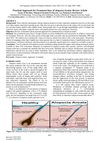 July 2023 in “The Egyptian Journal of Hospital Medicine ”
 The conclusion is that emotional support and a variety of treatments are important for alopecia areata, but more research is needed.
Both treatments for localized alopecia areata are equally effective.
 July 2021 in “International journal of dermatology, venereology and leprosy sciences”
 Diphenylcyclopropenone is more effective and has fewer side effects than dinitrochlorobenzene for treating alopecia areata.
 February 2021 in “Journal of pharmaceutical and biological sciences”
 No cure exists for alopecia areata, and treatments are personalized.