 11 citations
,
August 2007 in “Bioorganic & Medicinal Chemistry Letters”
11 citations
,
August 2007 in “Bioorganic & Medicinal Chemistry Letters” Scientists made a chemical (compound 4e) that can be applied on skin to reduce oil production, which can help with acne, but it might cause skin sensitivity to light.
 October 2024 in “Asian Journal of Pharmaceutical and Clinical Research”
 Topical methotrexate is more effective and as safe as betamethasone for treating alopecia areata.
 1 citations
,
March 2004 in “Journal of the American Academy of Dermatology”
1 citations
,
March 2004 in “Journal of the American Academy of Dermatology” ZD1839, a cancer drug, can cause mild skin rashes that are treatable without stopping the medication.
November 2025 in “Journal of Investigative Dermatology” IMG-007 helps regrow hair and reduce scalp inflammation in severe alopecia areata.
 1 citations
,
January 2023 in “Research Square (Research Square)”
1 citations
,
January 2023 in “Research Square (Research Square)” A woman's vitiligo improved with tofacitinib treatment, and her skin color remained even after stopping the medication, but there are concerns about cancer risk.
May 2025 in “Journal of the European Academy of Dermatology and Venereology” Etrasimod is safe but not effective for severe alopecia areata, though it may help milder cases.
 August 2018 in “Journal of Investigative Dermatology”
 Tofacitinib may help regrow hair in alopecia areata patients.
 January 2024 in “Journal of dermatology and skin science”
 Topical aprepitant reduces skin rash and hair loss caused by cancer treatment.
May 2015 in “Cancer research” After chemotherapy for early breast cancer, 33.4% of patients had long-term significant hair loss, with some hair regrowth over time, but treatments for hair loss were largely ineffective.
49 citations
,
February 2022 in “Drug Design Development and Therapy” Ritlecitinib shows promise for hair regrowth in alopecia areata patients.
July 2025 in “Journal of Investigative Dermatology” May 2018 in “Dermatologic Surgery”  24 citations
,
September 2005 in “Journal of Cellular Biochemistry”
24 citations
,
September 2005 in “Journal of Cellular Biochemistry” Retinoids increase steroid sulfatase activity in leukemia cells through RARα/RXR and involves certain pathways like phosphoinositide 3-kinase and ERK-MAP kinase.
15 citations
,
May 1987 in “Fundamental and applied toxicology” SMR-2 and SMR-6 are much more toxic than retinoic acid, causing severe side effects.
July 2025 in “Zenodo (CERN European Organization for Nuclear Research)” Ritlecitinib helps regrow hair in alopecia areata and is safe for long-term use.
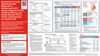 November 2025 in “SKIN The Journal of Cutaneous Medicine”
 Baricitinib significantly regrows hair in teens with severe alopecia areata.
1 citations
,
August 2024 in “British Journal of Dermatology” Ritlecitinib effectively promotes hair regrowth in alopecia areata patients, even with extensive hair loss.
 34 citations
,
February 1993 in “Journal of steroid biochemistry and molecular biology/The Journal of steroid biochemistry and molecular biology”
34 citations
,
February 1993 in “Journal of steroid biochemistry and molecular biology/The Journal of steroid biochemistry and molecular biology” Certain 4-azasteroids are effective at blocking the enzyme that processes testosterone in human skin and could help treat acne, excessive hair growth, and male pattern baldness.
September 2025 in “Journal of the American Academy of Dermatology” Deuruxolitinib significantly improves hair satisfaction in severe alopecia areata patients.
January 2023 in “Cutaneous and Ocular Toxicology”  9 citations
,
November 2018 in “Acta Clinica Belgica”
9 citations
,
November 2018 in “Acta Clinica Belgica” Don't combine abiraterone and spironolactone for prostate cancer treatment as it may worsen the disease.
November 2008 in “Cancer Prevention Research” Chemoprevention can significantly lower cancer risks and needs more research and collaboration.
 September 2024 in “Journal of the American Academy of Dermatology”
 Baricitinib helps long-term hair regrowth in severe alopecia areata patients.
 January 2025 in “Journal of Cutaneous Immunology and Allergy”
 Baricitinib is effective for treating severe alopecia areata in Japanese patients, but long-term safety needs more study.
 24 citations
,
July 1983 in “Clinical and Experimental Dermatology”
24 citations
,
July 1983 in “Clinical and Experimental Dermatology” Tigason improved hair growth in a boy with monilethrix without side effects.
 139 citations
,
November 2016 in “Journal of the American Academy of Dermatology”
139 citations
,
November 2016 in “Journal of the American Academy of Dermatology” Tofacitinib helped regrow hair in most adolescents with alopecia areata, but more research is needed.
 February 2026 in “Mendeley Data”
 Using 5-alpha reductase inhibitors may lower prostate cancer risk in people with androgenetic alopecia.
1 citations
,
May 2025 in “Indian Dermatology Online Journal” Sorafenib can cause rare skin reactions, but treatment can continue with additional care.
October 2025 in “Phytomedicine” Bazi Bushen capsules reduce skin aging and damage from UV rays.