1 citations
,
March 2025 in “Skin Appendage Disorders” Baricitinib for alopecia areata may rarely cause eye issues like keratitis.
September 2015 in “Photodiagnosis and Photodynamic Therapy” January 2009 in “Xiandai huagong” Finasteride was successfully synthesized from Pregnadienolone acetate.
 5 citations
,
August 2014 in “Australasian journal of dermatology”
5 citations
,
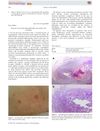
August 2014 in “Australasian journal of dermatology” Sorafenib can cause delayed skin problems, so patients need careful monitoring.
July 2024 in “Actas Dermo-Sifiliográficas” Finasteride and dutasteride do not significantly change beard thickness in men.
 20 citations
,
December 2016 in “Neurodegenerative disease management”
20 citations
,
December 2016 in “Neurodegenerative disease management” Teriflunomide effectively reduces relapses and disability in MS and has a manageable safety profile.
2 citations
,
January 2019 in “Skin appendage disorders” Early diagnosis and quick treatment improve life quality for FFA patients.
8 citations
,
November 2011 in “Journal of Medical Case Reports” Bupropion may help treat trichotillomania when fluoxetine doesn't work.
October 2024 in “BMJ Case Reports” Baricitinib effectively treats both rheumatoid arthritis and alopecia areata.
 June 2023 in “jurnal veteriner”
 The combination of Typhonium flagelliforme extract and natural interferons effectively reduces tumor growth in mice.
 2 citations
,
April 2017 in “Actas Dermo-Sifiliográficas”
2 citations
,
April 2017 in “Actas Dermo-Sifiliográficas” Best treatment for Frontal Fibrosing Alopecia is 5-alpha-reductase inhibitors and intralesional corticosteroids.
 6 citations
,
September 2024 in “BMC Pulmonary Medicine”
6 citations
,
September 2024 in “BMC Pulmonary Medicine” Cepharanthine may help treat lung fibrosis by affecting certain immune cells.
July 2023 in “SKIN The Journal of Cutaneous Medicine” Continued ritlecitinib treatment can improve hair regrowth in some alopecia areata patients who initially don't respond.
 22 citations
,
August 2009 in “Evidence-based Complementary and Alternative Medicine”
22 citations
,
August 2009 in “Evidence-based Complementary and Alternative Medicine” The composition with carnitine, thioctic acid, and saw palmetto extract may effectively reduce inflammation in hair follicle cells.
 January 2025 in “Journal of Cutaneous Immunology and Allergy”
 Baricitinib is effective for treating severe alopecia areata in Japanese patients, but long-term safety needs more study.
April 2019 in “Journal of Investigative Dermatology” Simvastatin reduces inflammation and promotes hair regrowth in alopecia areata.
 76 citations
,
February 2015 in “Industrial Crops and Products”
76 citations
,
February 2015 in “Industrial Crops and Products” Researchers found over 40 compounds in Bituminaria bituminosa, including many flavonoids and some with potential for medical and hair care uses.
February 2023 in “Reactions Weekly” August 2025 in “JAAD International” Bicalutamide may take longer to work for female hair loss, and higher doses might be needed.
5 citations
,
January 1994 in “PubMed” March 2026 in “SKIN The Journal of Cutaneous Medicine” Ritlecitinib is being tested for safety and effectiveness in young children with severe alopecia areata.
 29 citations
,
January 2016 in “CNS drugs”
29 citations
,
January 2016 in “CNS drugs” Teriflunomide is effective and generally safe for treating relapsing-remitting multiple sclerosis.
 September 2025 in “Journal of the European Academy of Dermatology and Venereology”
 Baricitinib effectively promotes hair regrowth and improves well-being in severe alopecia areata patients.
45 citations
,
July 2025 in “Journal of Medicinal Chemistry” Vepdegestrant may become the first FDA-approved PROTAC degrader, marking a new era in drug development.
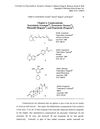
Isotretinoin and tazarotene help treat acne, while minoxidil and finasteride promote hair growth.
 16 citations
,
March 2015 in “Clinical Cancer Research”
16 citations
,
March 2015 in “Clinical Cancer Research” The document concludes that side effects from Smoothened inhibitor drugs for skin cancer are reversible and can be managed with a team approach to maintain quality of life.
January 2011 in “Reactions Weekly”  October 2025 in “Zenodo (CERN European Organization for Nuclear Research)”
 Ritlecitinib may help young adults with severe alopecia areata when ketoconazole fails.
 December 2013 in “Faculty Opinions – Post-Publication Peer Review of the Biomedical Literature”
 Flutamide, an oral anti-androgen therapy, is effective in treating female pattern hair loss, even without systemic androgen excess.
 September 2023 in “British Journal of Dermatology”
 Hair regrowth from severe alopecia areata treatment with baricitinib can vary, with faster results in those with shorter hair loss duration.