Search
for
Sort by
Research
180-210 / 1000+ results
research Baricitinib Withdrawal and Retreatment in Patients With Severe Alopecia Areata
Continuous baricitinib is needed to keep hair regrowth in severe alopecia areata.
research Pica for Uncooked Basmati Rice in Two Women with Iron Deficiency and a Review of Ryzophagia
Iron therapy resolved uncooked rice cravings and symptoms in women with iron deficiency.
research Biomaterial-based encapsulated probiotics for biomedical applications: Current status and future perspectives
Encapsulated probiotics can improve medical treatments by better delivering and protecting probiotics in the body.

research Astilbin Activates the Reactive Oxidative Species/PPARγ Pathway to Suppress Effector CD4+ T Cell Activities via Direct Binding With Cytochrome P450 1B1
Astilbin can potentially calm overactive immune responses, like in Type 1 Diabetes, by suppressing certain cell activities and reducing inflammation.
research Review of efficacy of baricitinib in the treatment of alopecia areata
Baricitinib is a promising treatment for severe alopecia areata with minimal side effects.

research Efficacy of Baricitinib in Patients with Various Degrees of Alopecia Areata Severity: Post-Hoc Analysis from BRAVE AA1 and BRAVE AA2
Baricitinib helps improve hair growth in severe alopecia, with better results in less severe cases and higher doses working faster.
research Real-life effectiveness and safety of baricitinib in 17 Japanese patients with alopecia areata: a 60-week single center study
Baricitinib is effective for treating severe alopecia areata in Japanese patients, but long-term safety needs more study.
research Comparative Effectiveness and Safety of Baricitinib and Ritlecitinib in Severe Alopecia Areata: A Real-World Monocentric Retrospective Study
Baricitinib and ritlecitinib are both effective and safe for treating severe alopecia areata.
research BH15 Efficacy and safety of baricitinib in the management of severe alopecia areata over a 6-month period: a real-world experience
Baricitinib was effective and safe for severe hair loss treatment over 6 months.
research Baricitinib Induced Hypoglycemic Seizures in a Patient with Hair Loss and Type I Diabetes Mellitus: A Case Report
Baricitinib may cause low blood sugar in some patients, so careful monitoring is needed.

research Long‐term efficacy and safety of baricitinib in patients with severe alopecia areata: 104‐week results from BRAVE‐AA1 and BRAVE‐AA2
Baricitinib is effective and safe for long-term use in severe alopecia areata, improving hair regrowth and quality of life with few side effects.
research Treatment of moderate-to-severe alopecia areata in adolescents with baricitinib: A retrospective review of 29 patients
Baricitinib helped most teenagers with severe hair loss regrow hair and had mild side effects.
research Ginkgolide B and bilobalide promote the growth and increase β‐catenin expression in hair follicle dermal papilla cells of American minks
Ginkgolide B and bilobalide help mink hair grow by making skin cells healthier and boosting a key growth protein.
research Hair regrowth in a patient with central centrifugal cicatricial alopecia after a 2-month trial of baricitinib
A woman with a type of hair loss saw hair regrowth after two months of taking baricitinib.
research Piebaldism in tree shrews
research Virtual Bioequivalence Assessment of Ritlecitinib Capsules with Incorporation of Observed Clinical Variability Using a Physiologically Based Pharmacokinetic Model
50-mg ritlecitinib capsules are bioequivalent to 100-mg capsules.
research Formulation and evaluation of antibacterial activity of ointment of Musa paradisiaca unripe peel ethanolic extract
The ointment with banana peel extract has antibacterial properties but needs improvement.
research Alopecia Universalis: Never Give Up?
Switching JAK inhibitors can lead to significant hair regrowth in severe alopecia cases.
research Sanna Makki (Cassia angustifolia Vahl.): An Ancient Remedy in Modern Pharmacology: An Overview
Senna Makki is mainly effective as a laxative, but more research is needed for other uses.
research Good efficacy achieved by baricitinib in the treatment of anti-MDA5 antibody-positive dermatomyositis with alopecia areata
Baricitinib was effective in treating a patient with dermatomyositis and hair loss.
research Ketoconazole-p Aminobenzoic Cocrystal Exhibits a Potent Anti-inflammatory Effect on the Skin of BALBc Mice
The new cocrystal KET-PABA is a more effective and safe anti-inflammatory treatment for skin conditions in mice.
research Chemical profiles and pharmacological attributes of Apis cerana indica beehives using combined experimental and computer-aided studies
Beehive extracts may help with anxiety, depression, and inflammation.
research Evaluation of carcinogenic effect of mineral oil used in the processing of jute fibres.
Jute-batching oil alone didn't cause cancer in mice, but it may promote cancer when combined with another carcinogen.
research Efficacy and safety of the oral Janus kinase inhibitor baricitinib in the treatment of adults with alopecia areata: Phase 2 results from a randomized controlled study
Baricitinib is effective and safe for treating severe alopecia areata.
research Editorial Board
Biotin is important for metabolism, with specific daily intake recommendations, and deficiency can cause health problems.
research Endoscopic Brow Lift Fixation With Mitek Suture Anchors: A 9-Year Experience of a New “Ideal” Technique
The Mitek Microfix QuickAnchor is effective and safe for endoscopic brow lifts.
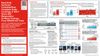
research Baricitinib Achieved Complete/Near Complete Scalp Coverage in SALT Score ≤20 Responders: 52-Week Findings From BRAVE-AA Trials
Baricitinib significantly regrows hair in severe alopecia areata patients.

research Tinea favosa: psoriasiform favus in bindi area of an adult
An adult had a rare scalp infection in the forehead area, treated successfully with itraconazole.
research Ritlecitinib in Alopecia Areata: A 24‐Week Real‐World Experience Contrasting JAK Inhibitor‐Naïve and JAK Inhibitor‐Experienced Patients
Ritlecitinib effectively reduces hair loss in JAK inhibitor-naïve alopecia areata patients.