November 2018 in “Zenodo (CERN European Organization for Nuclear Research)” Silver nanoparticles may reduce chemotherapy side effects and improve cancer treatment.
 24 citations
,
July 2018 in “Drug Design Development and Therapy”
24 citations
,
July 2018 in “Drug Design Development and Therapy” NTF gel improves finasteride delivery for hair loss treatment, reducing side effects.
 1 citations
,
May 2023 in “International Journal of Applied Pharmaceutics”
1 citations
,
May 2023 in “International Journal of Applied Pharmaceutics” Placenta extract in novasomes improved rat hair growth better than minoxidil and placenta extract in liposomes.
 March 2026 in “Akdeniz Medical Journal”
 Exosomes show promise for treating skin conditions and improving cosmetic skin health.
September 2025 in “Nano Biomedicine and Engineering” Nanomedicines could offer better, longer-lasting psoriasis treatments with fewer side effects.
 33 citations
,
December 2012 in “NMR in Biomedicine”
33 citations
,
December 2012 in “NMR in Biomedicine” Microencapsulation helps protect and track therapeutic cells, showing promise for treating various diseases, but more work is needed to improve the technology.
Nano-sized sunscreens may penetrate skin and pose toxicity risks.
1 citations
,
July 2025 in “Advanced Science” The microneedles effectively kill MRSA and improve wound healing.
March 2026 in “DergiPark (Istanbul University)” Biotinoyl tripeptide-1 nanoparticles protect hair from heat damage.
 47 citations
,
November 2012 in “Pharmaceutical research”
47 citations
,
November 2012 in “Pharmaceutical research” Surface-modified nanoparticles mainly use non-follicular pathways to enhance skin permeation of ibuprofen and could improve treatment for inflammatory skin diseases.
11 citations
,
June 2025 in “Advanced Functional Materials” The new nanosilver treatment effectively kills bacteria and speeds up wound healing with less toxicity.
12 citations
,
September 2020 in “Nanomaterials” The new drug delivery system improves vitiligo treatment by enhancing melanocyte activity and viability.
 July 2025 in “International Journal of Pharmaceutical Research and Development”
 Exosomes can improve skin treatments with fewer side effects.
 263 citations
,
February 2011 in “Journal of Controlled Release”
263 citations
,
February 2011 in “Journal of Controlled Release” Medium-sized particles penetrate hair follicles better than smaller or larger ones, which could improve delivery of skin treatments.
 July 2018 in “DOAJ (DOAJ: Directory of Open Access Journals)”
 The new gel formula could improve the delivery of a hair loss treatment through the skin and might be an alternative to taking it by mouth.
22 citations
,
April 2022 in “Stem cell research & therapy” Hair follicle-derived extracellular vesicles may help heal chronic wounds as effectively as those from adipose tissue.
 68 citations
,
March 2018 in “Biomaterials”
68 citations
,
March 2018 in “Biomaterials” Large-scale fibronectin nanofibers help heal wounds and repair tissue in a skin model of a mouse.
 15 citations
,
May 2016 in “Die Pharmazie”
15 citations
,
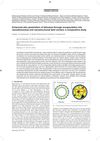
May 2016 in “Die Pharmazie” Nanostructured lipid carriers deliver lidocaine to the skin better than nanoethosomes.
20 citations
,
August 2023 in “Saudi Pharmaceutical Journal” Niosomes can effectively deliver cetirizine topically for treating alopecia.
 2 citations
,
December 2014
2 citations
,
December 2014 Low biotin intake during pregnancy can affect biotin transport in mothers and fetuses.
87 citations
,
September 2016 in “Journal of Controlled Release” Nanoparticles can improve drug delivery to hair follicles but struggle to penetrate deeper skin layers.

Exosome therapies improve skin, hair, and healing but face challenges like cost and regulation.
January 2010 in “Journal of Animal Science” Transcutaneous vaccination using nanoparticles can enhance immune responses and reduce basal cell carcinomas.
 February 2024 in “Current Bioactive Compounds”
 The new gel formulation effectively delivers Finasteride for hair growth treatment without skin irritation.
40 citations
,
March 2019 in “Pharmaceutical development and technology” Smaller particles of the drug carrier penetrated skin better, with 300 nm size being best for targeting hair follicles.
 February 2024 in “International Journal For Multidisciplinary Research”
 Nanostructured lipid carriers are effective for treating hyperpigmentation in women aged 30-40.
2 citations
,
January 2012 HSA nanoparticles can improve tamoxifen delivery for breast cancer treatment, reducing side effects.
 26 citations
,
December 2021 in “Regenerative Biomaterials”
26 citations
,
December 2021 in “Regenerative Biomaterials” The hydrogel speeds up skin wound healing and helps regenerate tissue.
January 2025 in “Cosmetics” Exosomes could improve skin care, but more research is needed to confirm their safety and effectiveness.
 263 citations
,
February 2013 in “Wiley interdisciplinary reviews. Nanomedicine and nanobiotechnology”
263 citations
,
February 2013 in “Wiley interdisciplinary reviews. Nanomedicine and nanobiotechnology” Polymeric nanoparticles show promise for treating skin diseases.