Search
for
Sort by
Research
990-1000 / 1000+ resultsresearch Bioengineering DNA-based hydrogels for regenerative medicine: A review of programmable design, chemical synthesis and therapeutic potential
DNA hydrogels can help repair tissues and treat tumors in regenerative medicine.
research Contents list
Advancements in biomaterials and nanotechnology are improving medical applications like hair growth, bone regeneration, and cancer treatment.

research Tendon dECM Composited with Chitosan with Loading Skin Precursor Stem Cell Exosome for Enhanced Diabetic Wound Healing
The hydrogel treatment speeds up healing of diabetic wounds.
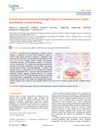
research Protein-based functional hydrogel improves cutaneous nerve repair and diabetic wound healing
A protein-based hydrogel helps heal diabetic wounds and repair nerves.

research All-in-one polysaccharide hydrogel with resistant vascular burst pressure and cooperative wound microenvironment regulation for fatal arterial hemorrhage and diabetic wound healing
The hydrogel effectively stops bleeding and heals diabetic wounds quickly.

research A hybrid hydrogel encapsulating human umbilical cord mesenchymal stem cells enhances diabetic wound healing
A new hydrogel with stem cells from the human umbilical cord speeds up healing in diabetic wounds.
research Injectable hydrogel made from antler mesenchyme matrix for regenerative wound healing via creating a fetal-like niche
The hydrogel promotes better wound healing by creating a fetal-like environment.
research Multifunctional Dynamic Cerium-Polypeptide Hydrogel with Antibacterial Antioxidative Antiinflammatory for Multidrug-Resistant Bacterial Infected Wound Healing
The cerium-polypeptide hydrogel effectively heals drug-resistant bacterial wounds by fighting bacteria, reducing inflammation, and promoting tissue repair.
research Multifunctional Silk and Gelatin Composed Microneedle Patches for Enhanced Wound Healing
The microneedle patch speeds up wound healing and prevents infection.