 23 citations
,
January 2022 in “Biomaterials Science”
23 citations
,
January 2022 in “Biomaterials Science” Non-viral vectors show promise for safe and effective CRISPR/Cas9 gene editing in treating diseases.
 8 citations
,
November 2019 in “Journal of Natural Fibers”
8 citations
,
November 2019 in “Journal of Natural Fibers” Adding human hair to clayey soil makes it stronger, even after freeze-thaw cycles, and is eco-friendly and cheap.
 2 citations
,
July 2020 in “Journal of Drug Delivery Science and Technology”
2 citations
,
July 2020 in “Journal of Drug Delivery Science and Technology” Created finasteride complex to increase water solubility and drug release.
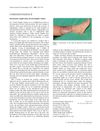 1 citations
,
May 2002 in “British Journal of Dermatology”
1 citations
,
May 2002 in “British Journal of Dermatology” Hair loss caused by longer latent hair cycle and sudden miniaturization, not gradual follicle size reduction.
 May 2026 in “International Journal of Research Publication and Reviews”
 The polyherbal hair dye is a safe, effective, and eco-friendly alternative to synthetic dyes.
 November 2024 in “International Journal of Pharmaceutical Sciences Review and Research”
 The herbal hair gel with curry leaf and flaxseed extracts effectively promotes hair growth and reduces hair fall.
 June 2023 in “Livestock studies”
 The article concludes that understanding the molecular processes in hair follicle development can improve the quality of fibers like Angora and cashmere.
 May 2023 in “Current Medicinal Chemistry”
 Microneedle patches improve drug delivery for skin treatments and cosmetic enhancements.
 December 2019 in “University of Malaya Students Repository”
 Mimosine from Leucaena leucocephala can enhance biodiesel stability.
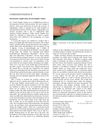 May 2002 in “British Journal of Dermatology”
 A pregnant woman's skin condition improved after giving birth, possibly due to high estrogen levels during pregnancy.
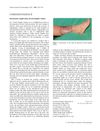 May 2002 in “British Journal of Dermatology”
 Hair loss caused by longer latent hair cycle and sudden miniaturization, not gradual follicle size reduction.
 9 citations
,
April 2025 in “International Journal of Nanomedicine”
9 citations
,
April 2025 in “International Journal of Nanomedicine” An injectable ibuprofen gel speeds up diabetic wound healing by reducing inflammation and promoting tissue growth.
 434 citations
,
October 2003 in “PTR. Phytotherapy research/Phytotherapy research”
434 citations
,
October 2003 in “PTR. Phytotherapy research/Phytotherapy research” Natural products in cosmetics are beneficial for skin and hair care with low toxicity.
 232 citations
,
October 2015 in “International journal of molecular sciences”
232 citations
,
October 2015 in “International journal of molecular sciences” Stem cells are crucial for skin repair and new treatments for chronic wounds.
 202 citations
,
June 2005 in “Aaps Pharmscitech”
202 citations
,
June 2005 in “Aaps Pharmscitech” Lecithin organogels could be good for applying drugs to the skin because they are stable, safe, and can improve drug absorption.
 140 citations
,
December 2017 in “Journal of Controlled Release”
140 citations
,
December 2017 in “Journal of Controlled Release” Microneedles improve drug delivery in various body parts, are safe and painless, and show promise in cosmetology, vaccination, insulin delivery, and other medical applications.
 138 citations
,
June 2019 in “Stem Cells and Development”
138 citations
,
June 2019 in “Stem Cells and Development” Periodontal ligament stem cells show promise for regrowing tissues but require more research for safe, effective use.
 119 citations
,
March 2020 in “Frontiers in Bioengineering and Biotechnology”
119 citations
,
March 2020 in “Frontiers in Bioengineering and Biotechnology” Asia has made significant progress in tissue engineering and regenerative medicine, but wider clinical use requires more development.
 118 citations
,
May 2015 in “European journal of pharmaceutics and biopharmaceutics”
118 citations
,
May 2015 in “European journal of pharmaceutics and biopharmaceutics” The hydrogel with a 1:3 ratio of hydroxyethyl cellulose to hyaluronic acid is effective for delivering drugs through the skin to treat acne.
 109 citations
,
March 2011 in “Journal of controlled release”
109 citations
,
March 2011 in “Journal of controlled release” New micelle solutions greatly improve skin delivery of certain antifungal drugs.
 94 citations
,
September 2014 in “Therapeutic Delivery”
94 citations
,
September 2014 in “Therapeutic Delivery” Nanoparticles can improve skin treatments by better targeting hair follicles, but more research is needed for advancement.
 75 citations
,
November 2016 in “Medicines”
75 citations
,
November 2016 in “Medicines” Beta-sitosterol has potential health benefits but needs more research to fully understand its effects and improve its use in treatments.
 70 citations
,
August 2020 in “Nanomaterials”
70 citations
,
August 2020 in “Nanomaterials” Electrospun nanofibers show promise for enhancing blood vessel growth in tissue engineering but need further research to improve their effectiveness.
 69 citations
,
December 2015 in “Journal of Controlled Release”
69 citations
,
December 2015 in “Journal of Controlled Release” Nanocapsules can improve clobetasol delivery to hair follicles, reducing side effects.
 68 citations
,
March 2019 in “Advanced Healthcare Materials”
68 citations
,
March 2019 in “Advanced Healthcare Materials” Advanced hydrogel systems with therapeutic agents could greatly improve acute and chronic wound treatment.
 67 citations
,
January 2022 in “Theranostics”
67 citations
,
January 2022 in “Theranostics” Advanced nanocarrier and microneedle drug delivery methods are more effective, safer, and less invasive for treating skin diseases.
 65 citations
,
November 2012 in “Tissue Engineering Part B-reviews”
65 citations
,
November 2012 in “Tissue Engineering Part B-reviews” Hair follicle stem cells are a promising source for tissue repair and treating skin or hair diseases.
 62 citations
,
October 2010 in “Journal of biomedical nanotechnology”
62 citations
,
October 2010 in “Journal of biomedical nanotechnology” Nanoparticles can enter the skin, potentially causing toxicity, especially in damaged skin.
 61 citations
,
November 2020 in “Molecules”
61 citations
,
November 2020 in “Molecules” Conductive hydrogels show promise for medical uses like healing wounds and tissue regeneration but need improvements in safety and stability.
 60 citations
,
January 2014 in “Anais Brasileiros De Dermatologia”
60 citations
,
January 2014 in “Anais Brasileiros De Dermatologia” Nanotechnology in dermatology shows promise for better drug delivery and treatment effectiveness but requires more safety research.