 February 2026 in “Journal of Nanobiotechnology”
 A new treatment using a special gel with miR-665 reduces inflammation and helps hair regrow in alopecia areata.
 December 2025 in “Molecules”
 DPP may help hair regrowth by improving blood vessel function under stress.
 December 2025 in “Medical Sciences”
 Regenerative therapies show promise for hair regrowth, but more research and standardization are needed.
October 2025 in “International Journal of Molecular Sciences” Stem cells have great potential for treating various medical conditions.
 June 2025 in “Theranostics”
 Rapamycin-primed exosomes can significantly boost hair regrowth.
 May 2025 in “Antioxidants”
 Natural products show promise for treating diseases but need more research to understand and use them effectively.
May 2025 in “The Open Biomedical Engineering Journal” Adipose tissue and PRP together improve healing and surgery outcomes but need more research for consistent use.
 February 2025 in “Clinical Cosmetic and Investigational Dermatology”
 Certain blood metabolites are linked to female pattern hair loss, with some increasing risk and others offering protection.
 December 2024 in “Medical Review”
 Organoids help study and treat genetic diseases, offering personalized medicine and therapy testing.

Nanoformulations improve luteolin's effectiveness as a cancer treatment.
 July 2024 in “International Journal of Molecular Sciences”
 Nannochloropsis salina fermented oil may help treat hair loss by promoting hair growth and reducing oxidative stress.
 February 2024 in “Plastic and Reconstructive Surgery – Global Open”
 Stem cell therapies show promise for hair regrowth in androgenetic alopecia.
January 2024 in “Metabolites” Standardized procedures are crucial for collecting and preparing biological samples to ensure accurate clinical metabolomics results.
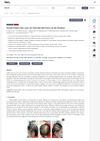
Different genes cause Female Pattern Hair Loss compared to male hair loss, and treatments vary, but more research is needed to understand it fully.
 April 2023 in “Bulletin of the National Research Centre”
 The document concludes that more research is needed to understand how PRP affects the ovaries and to standardize its use in treatment.
November 2022 in “IntechOpen eBooks” Nanotechnology can improve wound healing by enhancing treatments and dressings.
 January 2017 in “Journal of Investigative Dermatology Symposium Proceedings”
 The 2015 Hair Research Congress concluded that stem cells, maraviroc, and simvastatin could potentially treat Alopecia Areata, topical minoxidil, finasteride, and steroids could treat Frontal Fibrosing Alopecia, and PTGDR2 antagonists could also treat alopecia. They also found that low-level light therapy could help with hair loss, a robotic device could assist in hair extraction, and nutrition could aid hair growth. They suggested that Alopecia Areata is an inflammatory disorder, not a single disease, indicating a need for personalized treatments.
 1 citations
,
March 2009 in “Hair transplant forum international”
1 citations
,
March 2009 in “Hair transplant forum international” The TrichoScan method effectively measures hair growth and helps choose patients for hair restoration surgery.
 8 citations
,
October 2022 in “Regenerative Therapy”
8 citations
,
October 2022 in “Regenerative Therapy” New regenerative treatments for hair loss show promise but need more research for confirmation.
 April 2025 in “International Journal of Molecular Sciences”
 New treatments for hair loss show promise with advanced therapies and better targeting.
 256 citations
,
October 2013 in “Nature Communications”
256 citations
,
October 2013 in “Nature Communications” Bioengineered lacrimal glands can restore tear production and protect eyes.
 73 citations
,
March 2017 in “Scientific Reports”
73 citations
,
March 2017 in “Scientific Reports” Bioengineered tooth germ can restore whole teeth in dogs.
 10 citations
,
January 2014 in “Journal of prosthodontic research”
10 citations
,
January 2014 in “Journal of prosthodontic research” Bioengineered salivary glands in mice can produce saliva when tasting sour or bitter, but have different protein levels and nerve signals compared to natural glands.
 July 2026 in “Stem Cell Research & Therapy”
 Growth-factor-based platelet mimetics could offer more consistent and reliable results for treating alopecia than traditional PRP.
40 citations
,
July 2008 in “PROTEOMICS” A new model helps study acne and test treatments.
26 citations
,
August 2022 in “Stem Cells Translational Medicine” Human cell models and AI are better than mouse models for hair loss research.
 February 2025 in “Dermatologic Surgery”
 Hair transplantation is the best method for restoring hair, especially for genetic hair loss.
 May 2015 in “Journal of The American Academy of Dermatology”
 The research shows a potential way to regenerate hair using adult cells that have been grown and guided to produce new hair fibers.
20 citations
,
April 2009 in “Cell Biology International” Hair follicle stem cells can become corneal-like cells with the help of pax6.
8 citations
,
December 2017 in “Current Opinion in Cell Biology” 3D bioengineering can potentially regenerate complex oral organs for future therapies.