 March 2025 in “Dental Journal (Majalah Kedokteran Gigi)”
 The sponge effectively controls bleeding and prevents infection after tooth extraction.
 December 2024 in “Deleted Journal”
 New therapies show promise for wound healing, but more research is needed for safe, affordable options.
 May 2024 in “International journal of nanomedicine”
 Plant-derived extracellular vesicles show promise for treating diseases like cancer and inflammation.
 April 2024 in “Nepal journal of dermatology, venereology & leprology”
 Premature graying of hair is common and stressful, but not well understood or treated.

Recombinant human growth hormone helps burn wounds heal faster by increasing blood vessel growth.
 January 2024 in “Regenerative Biomaterials”
 Metal organic frameworks-based scaffolds show promise for tissue repair due to their unique properties.
 November 2023 in “Regenerative Biomaterials”
 The new adhesive seals wounds quickly, works well in wet conditions, and helps with healing.
 August 2023 in “International journal of research in medical sciences”
 The serum is safe and helps treat premature greying of hair.
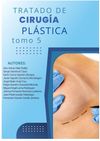 June 2023 in “Juan Cuevas eBooks”
 Personalized care and evaluation are crucial for successful plastic surgery outcomes.
 May 2023 in “Current Medicinal Chemistry”
 Microneedle patches improve drug delivery for skin treatments and cosmetic enhancements.
 January 2023 in “Surgical & Cosmetic Dermatology”
 Combining intradermotherapy with microneedling and a topical solution reduces hair loss more effectively than intradermotherapy alone.

Water and fatty acids affect hair's surface differently based on hair damage, and models can help understand hair-cosmetic interactions.
 October 2022 in “Southeast Asian journal of health professionals”
 Hair greying is seen as a sign of aging; temporary fixes like hair dye are used, but a balanced diet and hair care can help manage it.
 June 2021 in “Research Square (Research Square)”
 Dyed chitin nanofibers are strong, colorful, and water-resistant, enhancing resin strength and color.

PlacMA hydrogels from human placenta are versatile and useful for cell culture and tissue engineering.
 January 2016 in “Journal of Materials Chemistry B”
 Advancements in biomaterials and nanotechnology are improving medical applications like hair growth, bone regeneration, and cancer treatment.
 April 2015 in “Plastic and Reconstructive Surgery”
 TLR3 activation helps improve skin and hair follicle healing in mice.
 2 citations
,
March 2019 in “PubMed”
2 citations
,
March 2019 in “PubMed” Biofibre hair implants may improve the quality of life for people with hair loss.
7 citations
,
January 1988 3 citations
,
January 1994 December 2022 in “Nature Communications” Bead-jet printing of stem cells improves muscle and hair regeneration.
January 2019 in “Institutional Repositories DataBase (IRDB)” Hair follicles and skin structures were successfully regenerated in the lab using specific cell arrangements and mechanical conditions.
118 citations
,
January 1992 in “Experientia” 3 citations
,
July 2015 in “Biotechnic & histochemistry” Bim and Puma proteins are found in developing mouse hair follicles and are involved in more than just cell death.
328 citations
,
November 2020 in “Nature Materials” Hydrogel scaffolds can help wounds heal better and grow hair.
January 2025 in “SSRN Electronic Journal” The hydrogel speeds up wound healing by fighting infections and supporting tissue repair.

PmtHEE is a better model for studying pigmented skin because it includes melanocytes and shows improved cell differentiation.
Understanding hair follicle communication can help treat hair loss.
Hair bulb cells can create skin-like tissues for potential skin repair.
 3 citations
,
May 2021 in “Archiv der Pharmazie”
3 citations
,
May 2021 in “Archiv der Pharmazie” SUN11602 and ONO-1301 could help in skin healing and creating artificial skin.