 March 2024 in “International Journal of Drug Delivery Technology”
 Electrospun nanofiber mats are effective drug carriers for improving wound healing.
 October 2023 in “Biomedical science and engineering”
 Innovative methods are reducing animal testing and improving biomedical research.

Bee pollen, green tea, essential oils, and various plant extracts improve skin and hair health.
 June 2023 in “Research Square (Research Square)”
 Hyaluronic acid and polycaprolactone improve skin regeneration, with polycaprolactone having a stronger effect on healing and tissue repair.
Water and fatty acids affect hair's surface differently based on hair damage, and models can help understand hair-cosmetic interactions.
 January 2022 in “International journal of pharmaceutical sciences review and research”
 Herbal cosmetics are becoming more popular because they are safer, have fewer side effects, and offer health benefits.

Human hair keratins can be turned into useful 3D biomedical scaffolds through a freeze-thaw process.

Silk sericin dressing with collagen heals wounds faster and improves scar quality better than Bactigras.
 September 2018 in “University of the Arts London Research Online (University of the Arts London)”
 L-arginine, hydrolysed keratin, and cystine-silanol copolymer can help protect hair from damage during and after bleaching.
 June 2017 in “University of the Arts London Research Online (University of the Arts London)”
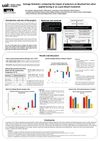
 Polymers help reduce damage and improve bleached hair when used during or after bleaching.
 September 2014 in “Proceedings of SPIE, the International Society for Optical Engineering/Proceedings of SPIE”
 OCT can effectively examine and reveal details about human hair and scalp conditions.

Chemicals and stem cells combined have advanced regenerative medicine with few safety concerns, focusing on improving techniques and treatment effectiveness.
 January 2013 in “Sen'i Gakkaishi”
 Microfibrils are key for permanent waves, and hydrolyzed keratin improves wave formation and hair condition.
 November 2011 in “Informa Healthcare eBooks”
 Environmental, chemical, mechanical, and personal health factors can all damage hair and contribute to hair loss or changes in hair quality.
 May 2013 in “Journal of the Egyptian Women's Dermatologic Society (Print)”
 High aldosterone and free testosterone levels link to female hair loss; testing aldosterone may predict hypertension risk.
 1 citations
,
August 2024 in “Polymers”
1 citations
,
August 2024 in “Polymers” Bacterial cellulose is a promising material for biomedical uses but needs improvements in antimicrobial properties and degradation rate.

Polydopamine is promising for personalized medicine and biomedical technology due to its strong adhesion and biocompatibility.
 1 citations
,
June 2023 in “ScienceRise Pharmaceutical Science”
1 citations
,
June 2023 in “ScienceRise Pharmaceutical Science” A semi-automated system can effectively help choose emulsion ingredients, simplifying the creation of medicinal and cosmetic products.
 1 citations
,
September 2022 in “Anatomía Digital”
1 citations
,
September 2022 in “Anatomía Digital” Neem oil effectively improves skin and coat conditions in cats with dermatophytosis.
 1 citations
,
January 2021 in “JIFFK Jurnal Ilmu Farmasi dan Farmasi Klinik”
1 citations
,
January 2021 in “JIFFK Jurnal Ilmu Farmasi dan Farmasi Klinik” Celery extract didn't significantly boost hair growth in the gel.
 July 2023 in “Medicina Estética Revista Científica de la Sociedad Española de Medicina Estética (SEME)”
 Infrared light, alone or with hyaluronic acid, effectively treats skin laxity with minimal side effects.

Custom skincare can be made based on genes, fewer cats in Lublin have FeLV/FIV than national average, and studies also looked at small water bodies, river pollution, guppy growth, toxins in biochars, palm oil issues, and pumpkin seed oil for hair strength.
Nanotechnology can improve alopecia treatments but faces stability challenges.
15 citations
,
January 2017 in “Polymers” Polyelectrolytes can improve cell surfaces for better medical applications.
28 citations
,
October 2023 in “Trends in biotechnology”  January 2013 in “Transactions of the Materials Research Society of Japan”
 CMADK reduces hair damage from bleaching and permanent waving.
28 citations
,
December 2016 in “Journal of Biomedical Materials Research Part A” Bone-forming cells grow well in 3D polymer scaffolds with 35 µm pores.
11 citations
,
July 2024 in “Biomimetics” Injectable biomimetic gels can help heal tissues and deliver drugs but need improvements in strength and delivery.
December 2020 in “Macromolecular Symposia” These polymers can improve hair texture and reduce water loss in hair cosmetics.

New hydrogel sensors can be quickly made and customized for wearable devices.